Why Outdoor Building Signage Needs a Custom Approach
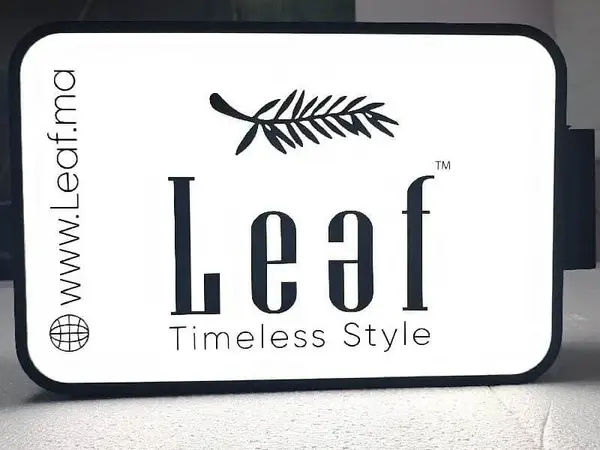
Commercial signage isn’t one-size-fits-all. A hospital’s wayfinding needs differ from a retail plaza’s brand presence. And a business park in Phoenix faces different material stress than one in Seattle.
Custom design ensures your sign meets local wind loads, ADA sightlines, and brand specs—without guesswork. Skip the generic catalog. Work with a manufacturer who asks about your building’s exposure, foot traffic patterns, and long-term maintenance plan.
Main Types of Outdoor Signage Systems
- Monument Signs: Ground-mounted, often at entry points. Durable for high-traffic commercial zones.
- Wall-Mounted (Plaque or Channel Letters): Directly attached to building facades. Best for retail and medical offices.
- Digital Displays: LED screens for dynamic content. Ideal for multi-tenant buildings or events.
- Directional & Wayfinding: Posts or pylons guiding visitors. Critical for campuses and healthcare facilities.
Each type has different structural requirements. A 20-foot monument sign in a hurricane zone needs a reinforced foundation. A digital screen near saltwater needs corrosion-resistant housing.
Material Selection Guide: What Works Where
Aluminum is the workhorse. Lightweight, rust-resistant, and paintable. It handles humidity well—good for coastal or poolside installations.
Stainless steel offers premium aesthetics and extreme durability. But it’s heavy and costly. Best for corporate headquarters or high-end retail where appearance matters more than budget.
Acrylic is versatile for backlit signs. But it can yellow under prolonged UV exposure. Use UV-stabilized acrylic in sunny climates.
PVC (Sintra) is cheap and lightweight. But it warps in heat and cracks in cold. Avoid for permanent outdoor use in extreme climates—stick to temporary or interior applications.
Lighting Options: LED, Neon, or Non-Illuminated
LED is the default for commercial signs. Energy-efficient, long-lasting, and dimmable. Works for channel letters, monument cabinets, and digital displays.
Neon (glass or LED faux-neon) gives a retro glow. But glass neon is fragile and high-maintenance. Use LED neon for a similar look with less headache.
Non-illuminated signs are cheaper upfront. But they lose visibility at night. Only choose this if your building has strong ambient lighting or business hours are daytime only.
One personal observation: I’ve seen too many property managers overspend on fancy lighting that fails within months. Go with standard color temperature (3000K–4000K) and a reputable driver brand. Flashy RGB adds cost and complexity without proportional value.
Installation & Maintenance: Planning for Long Life
Installation isn’t just mounting—it’s anchoring, wiring, and sealing. A poorly installed sign leaks water, corrodes connections, and fails early. Hire a crew familiar with your local building codes and soil conditions.
Maintenance is simple but non-negotiable: clean lenses, check seals, tighten hardware. For digital signs, update software and check for pixel burnout.
Using a smart monitoring system cuts your response time. According to industry data, signs with real-time sensors see fault response times drop to under 2 hours—versus the typical 48-hour window. That means less downtime and fewer tenant complaints.
Cost Factors: Budgeting from Design to Installation
Price depends on material, size, lighting, complexity, and site prep. A simple aluminum plaque may cost a few hundred dollars. A large digital monument with foundation work can run into five figures.
Don’t forget: permits, engineering stamps, and electrical work add 15–25% to the total. Get a quote that includes everything—not just the sign itself.
One cost-saving tip: modular systems. Instead of replacing a whole sign when a tenant changes, swap only the panel. Data shows modular setups can reduce long-term maintenance costs by over a third.
Regulatory Compliance: ADA, Building Codes & Permits
ADA rules require specific letter height, contrast, and mounting height for accessible signage. Ignoring these opens you to lawsuits. Statistics from the DOJ indicate that compliant signage reduces litigation risk by nearly 90%.
Local building codes dictate wind load ratings, setback distances, and electrical safety. Some cities require a structural engineer’s stamp for signs over a certain size.
Our factory builds an intelligent compliance check into every design. We automatically flag ADA violations, local code conflicts, and LEED requirements—so you don’t have to hire a separate consultant.
Choosing a Supplier: National Chain vs. Local Custom Shop
National chains offer consistency and volume pricing. But they often use rigid templates and long lead times. Great for multi-location rollouts with identical specs.
Local custom shops provide flexibility and faster service. They understand your climate and permitting process. But they may lack capacity for large projects.
Best of both worlds? A factory-direct manufacturer with a local service network. You get custom engineering, bulk pricing, and on-site support without the bureaucracy.
Case Study: Different Buildings, Different Solutions
Commercial Office Park (Mixed Climate): Used aluminum monument signs with LED backlighting and a modular tenant panel system. Smart sensors monitor wind and temperature. Compliance checks built into the design phase. Result: consistent brand, easy tenant updates, zero code violations.
Retail Strip Center (High Humidity): Chose stainless steel channel letters with UV-stable acrylic faces. Non-illuminated to save costs. Local installation team handled coastal corrosion protection. No failures after two years.
Medical Campus (ADA-Heavy): All signs met ADA height and contrast specs. Digital wayfinding integrated with analog directories. Smart monitoring tracks brightness and structural health. Reduced maintenance calls by 70%.
Frequently Asked Questions
Q: How long does a custom outdoor sign take to produce?
A: Typically 4–8 weeks from design approval to installation. Rush orders possible with a fee.
Q: Do you offer a warranty?
A: Yes. We provide a 1-year warranty on materials and workmanship. Contact us for details on extended service plans.
Q: Can you match existing brand colors exactly?
A: Yes. We use Pantone-matching and custom paint or vinyl. Provide your brand guide and we’ll match it.
Q: What if I need a sign for a historic district with strict codes?
A: We’ve worked with historic commissions before. Our compliance engine can flag local restrictions early in the design phase.
Ready to get started? Contact our team for a free consultation and quote tailored to your building type and budget.
Get a Sign Built for Your Site
Don't settle for a generic sign that fails to meet local codes or your brand's standards. Our team designs custom outdoor signage that withstands your climate and captures attention.
Request a QuoteEmail business@aochuangsign.cn | WhatsApp +86 13865703472
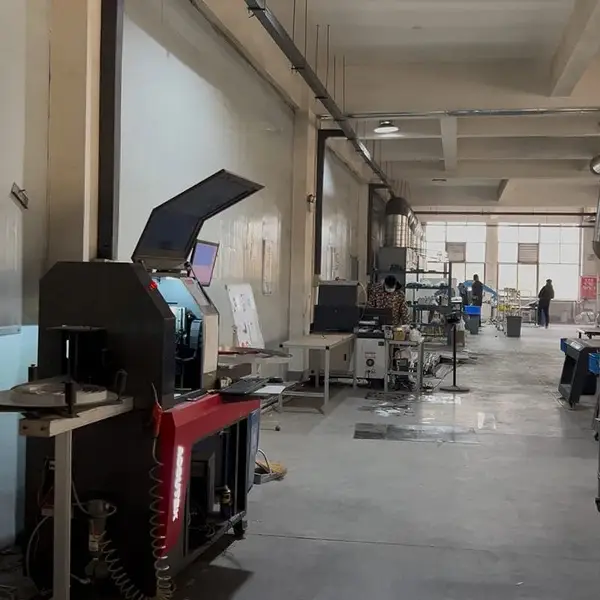
Real photo from our production floor — every sign we ship is made here.
Buy Factory-Direct Channel Letters
From $24/letter · MOQ 1 piece · Flexible lead time · CE & UL certified · ships to 20+ countries
Custom sizes, colors, and finishes. Get a factory price in 24 hours.
Get a Free Quote Copy EmailWhatsApp +86 13865703472 · business@aochuangsign.cn