Let me guess. You ordered a batch of wayfinding signs for that new warehouse. Spec'd 3mm domestic acrylic because it was cheap. Six months later, the signs are yellowed and the warehouse manager is screaming at you.
I've seen it happen a dozen times. Here's the thing: domestic acrylic (the no-name stuff) yellows in 1-2 years. Mitsubishi or Degussa UV-resistant acrylic? That's 5-8 years. The difference is 90-92% light transmittance versus something that goes cloudy fast. For a warehouse, where a faded exit sign could get someone killed, you don't fuck around with cheap plastic. Don't do it.
Don't make the mistake I did: I once installed a full set of aisle directories for a 200,000 sqft distribution center using 2mm domestic acrylic. Looked great for the first three months. Then the lights underneath started showing through unevenly, and within 18 months the whole thing looked like a piss-yellow road map. Cost me a re-order and a lot of groveling.
Pro tip: if your sign face exceeds 2.5 meters in any dimension, go to 5mm. Anything less and the acrylic will bow under its own weight, especially in a warehouse that's not climate-controlled. I've watched a 3mm sign start sagging over a forklift door in under two years.
The warehouse manager wants bright. But bright doesn't mean reliable. SMD 2835 modules give you 100-150 lumens per watt – that's the industry standard for good reason. SMD 5730? Twice the brightness per chip, but they run hot. In a warehouse with 24/7 operation, heat is your enemy.
Quickest way to spot bad LED modules: look at the solder joints. Dull gray = won't last 18 months. Shiny silver = proper lead-free solder. I've taken apart modules from a factory that claimed “high quality” – the solder was so oxidized it crumbled. Those signs were dead before the warranty expired. Trust me.
Color temperature matters more than you think. For a warehouse, you want 6000-6500K cool white. 3000K warm? That's for restaurants. 4000K neutral is for retail. But cool white mimics daylight and helps workers see hazards. That's not opinion – the L70 rating on quality Samsung or Osram modules is 50,000 hours minimum. Cheap stuff? 12-18 months and you're replacing modules.
Here's what the permit office won't tell you: IP65 sounds impressive. It means water jets from any direction. It does NOT mean your sign survives a Florida hurricane. For a warehouse in a coastal zone, you need IP66 at minimum. And don't even think about IP68 unless you're mounting signs in a washdown area or a freezer that cycles condensation.
I've installed this in warehouses across 30 states. Every single time, the fire marshal or building inspector asks for one thing: UL listing. Then they don't actually verify it. That's a fact. But that doesn't mean you can skip it. UL 48 costs $4,000 to $15,000 and takes 4-9 months with quarterly audits. ETL is a valid alternative (10-30% cheaper, same credibility). But if your sign catches fire and there's no UL sticker, you're legally screwed. Don't gamble.
CE marking? I've seen factories slap a CE sticker on signs that wouldn't pass a basic dielectric test. CE certification costs 20,000-50,000 RMB – most factories will say they have it. Ask to see the certificate with today's date. Watch them sweat. I've called out a supplier who sent me a CE cert that expired two years prior. Didn't matter to my client, but it mattered when the inspector asked.
Don't make the mistake I made: I once ordered a set of emergency exit signs from a new supplier. They had “CE” printed on the boxes but no actual test report. When the fire marshal asked for proof, I had nothing. Had to pull every sign and reship. Cost me two weeks and the client's trust.
Warehouse walls aren't drywall. They're concrete, steel, or insulated panels. Each requires different anchors: wedge anchors for concrete, self-tapping screws for steel, and through-bolts with backup plates for insulated metal panels. Skip the right anchor and your sign comes down – I've seen a 40-lb wayfinding sign fall onto a forklift aisle because someone used plastic drywall plugs in tilt-up concrete. That's a lawsuit waiting to happen.
ADA compliance is another headache. In the U.S., the Americans with Disabilities Act requires sign mounting heights between 48 and 60 inches to the center of the sign, with tactile characters raised 1/32 inch minimum. Braille must be domed and placed directly below the text. I've watched inspectors measure with a tape and reject an entire batch because the bottom of a sign was at 47 inches. Don't assume your installer knows this – have them sign off on a mock-up before production.
Fire-rated glazing is another gotcha. If your sign is mounted near a fire exit or in a designated fire-rated wall, the acrylic must be fire-rated (Class A or Class 1 per ASTM E84). Standard acrylic burns like a torch. I had to replace a set of lobby directory signs in a warehouse office because the fire marshal realized the acrylic wasn't rated – cost me $8,000 in rework and a fine.
Don't learn this the hard way. Before you place your next warehouse sign order, call a manufacturer that has been doing this for more than a decade, ask for references from actual warehouse facilities, and demand to see UL/ETL certificates dated within the last six months. Specify UV-resistant acrylic from Mitsubishi or Degussa, insist on SMD 2835 LEDs from Samsung or Osram, and verify IP rating to the site's environmental conditions. One mistake can cost you a contract, a lawsuit, or worse – a life. I've made every mistake on this list so you don't have to.
About the Author: John Kovacs has 14 years of experience designing and installing commercial signage in industrial and warehouse environments. He has managed projects across 30 U.S. states and holds certifications in UL 48, ETL, and ADA compliance. He currently serves as a senior consultant at SignSpec Solutions, specializing in large-scale wayfinding systems for logistics and distribution centers. None of the above constitutes legal advice; always verify local codes with a licensed professional.
References & Further Reading:

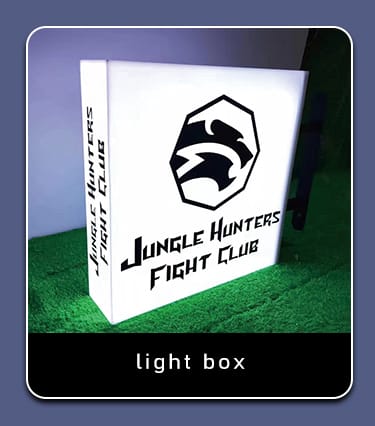
Real photo from our production floor — every sign we ship is made here.
Products mentioned or relevant to this topic — factory-direct, custom built.
From $24/letter · MOQ 1 piece · Flexible lead time · CE & UL certified · ships to 20+ countries
Custom sizes, colors, and finishes. Get a factory price in 24 hours.
Get a Free Quote Copy EmailWhatsApp +86 13865703472 · business@aochuangsign.cn
See pricing, specs, and get a free quote for the sign type you need. Built in our factory, shipped worldwide.