Shopping Mall Tenant Signage: How to Navigate Landlord Requirements Without Wasting Your Budget
Understanding Landlord-Approved Materials for Shopping Mall Tenant Signs
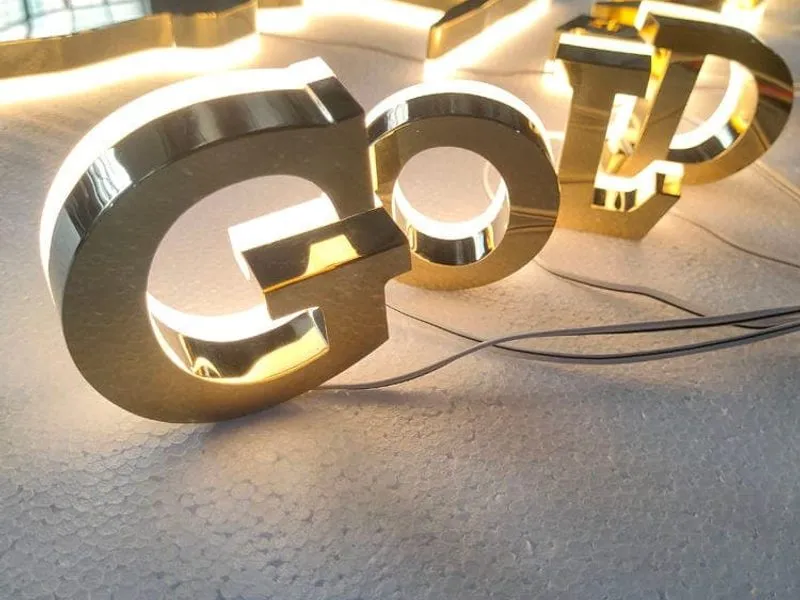
Shopping malls have their own rules for tenant signage, and the material you pick often decides whether the landlord approves the permit or sends you back to rework it. Most landlords want something durable, safe, and close to the mall's look. Acrylic is common because it passes roughly 90-92% of light and holds up well outdoors. It usually goes 5-8 years before it starts to yellow. 304 stainless steel is another workhorse: outdoors it will last over 10 years, and we cut it from 1.0-3.0mm sheet. Both materials cover most landlord requirements without overcomplicating the job.
Budget-Friendly LED Channel Letters: What You Need to Know
LED channel letters are one of the cheaper ways to get readable, lit signage. Front-lit letters run $20-80 per letter, which is less than
neon signs. The long-term savings come from the LED modules: Samsung, Osram, or Blueview modules usually last over 5 years. But you need to check the LED type. SMD 2835 chips run at an industry-standard 100-150 lm/W, so they are bright without pulling much power. If you go too cheap, expect some modules to fail in 12-18 months.
Stainless steel letters cost more, but they give a clean, flat face that works for a lot of mall storefronts. Prices run $15-40 per letter depending on size and finish. Stainless is more expensive than acrylic or aluminum, but it earns that back in life. Grade 304, which we use in most
outdoor signage, will hold up outdoors for over 10 years. Near salt water or heavy industrial air, marine-grade 316 is the better call, though it runs 20-30% more. Brushed #4 and mirror #8 are the usual finish options, and they do not add much to the cost.
Aluminum Letters vs. Acrylic: Which is Best for Your Mall Tenant Sign?
If you're outfitting a tenant space, aluminum and acrylic are the two common choices. Aluminum letters are sturdy and last outdoors 15+ years. Acrylic is lighter and easier to install. Acrylic usually goes 5-8 years before it starts to yellow, so aluminum has the edge there. Aluminum runs 20-30% more than acrylic. If the budget is tight, acrylic works, but it is less forgiving outdoors.
For storefront appearance, a brushed aluminum face reads clean and higher-end, which suits fashion and jewelry tenants. Acrylic can be cut, painted, or frosted to match brand colors, so it is more flexible on a smaller budget. Aluminum is the safer long-term choice; acrylic can still look right if the landlord accepts it and the location is not too harsh.
One thing I tell tenants: bigger letters do not always mean more visible. Size helps only if the placement and contrast are right. A correctly placed, readable sign brings in more foot traffic than an oversized face in a bad spot.
Light Box Signage: Maximizing Impact Without Breaking the Bank
Light boxes are a standard way to get noticed, but they can get expensive if you do not pin down the spec. The materials can handle outdoor use: stainless steel letters often go 10+ years outdoors. Stainless runs up to $40 per letter. If that is too high, aluminum letters are usually a lot cheaper.
For light boxes, the lighting matters most. LED is what we recommend. Good modules can run over 50,000 hours; cheap LED modules sometimes fail in 12-18 months. The price difference is often small once you factor in service calls. Properly loaded LED lighting also pulls less power.
The most expensive sign is not always the one that pulls customers. A light box with clear lettering, even lighting, and the right size usually beats a big, overbuilt piece that is hard to read.
Neon Signs: Are They Worth the Investment for Mall Tenant Signage?
Neon has a certain look, but it is not always the right buy for a mall tenant. It is labor-heavy to make and install. Factory prices for neon flex run $30-200 per sign. Installed retail pricing in the US varies by project, so get a local install quote before you commit. LED modules from Samsung or Osram can run 5+ years; cheap neon or cheap LED can start failing in 12-18 months. Neon also needs regular maintenance to keep tubes sealed and bright, so upkeep costs more time and money. If you want the neon look without the maintenance, LED or neon flex is usually the better call.
Frequently Asked Questions
How long does it take to install tenant signage for a shopping mall?
From design approval to export packing, our standard lead time is about 5-15 days. Complex builds can run longer, but that is the normal window.
What are the typical costs for tenant signage in a shopping mall?
Factory prices vary by material and finish. Front-lit channel letters run $20-80 per letter, back-lit halo letters $35-120 per letter, and stainless steel non-lit letters $15-40 per letter. Installed US retail prices are higher; front-lit work often lands at $200-700 per letter depending on the local market.
Can tenant signage be customized for different mall tenants?
Yes. Tenant signs can be made from acrylic, stainless steel, or aluminum, with brushed, mirror, or painted finishes. It comes down to the tenant's brand and what the landlord will approve.
Maximizing Visibility: The Importance of LED Sign Brightness for Mall Tenant Signs
Why do some mall tenant signs stand out while others disappear? Usually it comes down to LED brightness. SMD 5730 chips run 40-60 lm/chip, which is enough to read from across the concourse. In a busy mall, a brighter face helps, but you still need the right color temperature. A cool white around 6000-6500K reads clearly day and night without looking harsh. Samsung or Osram modules in that range last 5+ years. Don't let the sign blend into the ceiling; get the brightness and color right for the space.