Best sign for a pizza shop? Front-lit channel letters. A 60cm-tall stainless-trim acrylic face runs $0.7–$0.9/cm factory-direct, so one letter costs $42–$54. Period.
Anyone who tells you one universal answer fits every pizza shop is selling you something. Slice counters and delivery hubs need different signs. But if I'm installing one sign for a standard storefront, it's front-lit channel letters with a stainless steel return and UV-resistant acrylic face.
I've cut these on our laser at ±0.1mm. I've welded the returns, sealed the faces with neutral silicone, and run them through an 8–12 hour aging test. That's not marketing copy. That's a Tuesday.
A sign is a capture device, not decoration. If a car passes at 40mph and can't read the name on the sign, they don't brake. They order from the chain two blocks away.
Look, a slice-and-go counter needs pedestrian-scale signs — a blade sign or A-board at eye level. A delivery/carryout operation needs high-speed road visibility: taller letters, a pylon, or a monument sign. Different business model, different sign, different budget.
Here's a number that should wake you up: a double-sided side lightbox at 40cm diameter costs $50 factory-direct. That's a lunch shift's worth of pies, and it catches the foot traffic that keeps a slice shop alive.
I've watched a pizzeria spend $2,000 on a pretty wall sign that faced the parking lot, not the road. They wondered why phones were dead. The sign answered the wrong question.
LED quality is where it gets real. Our SMD 2835 modules push 100–150 lm/W with an L70 of 50,000 hours if you use branded drivers from Bluesky or Rishang. Cheap modules die in 12–18 months. For a pizza shop open 12 hours a day, that's the difference between a five-year sign and a one-year headache.
Most pizza shop signs get picked by a landlord or franchisor who's never stood in the actual parking lot at 7pm. You've got to sell to the business model, not the logo.
Channel letters win because they cut through glare and distance. A front-lit letter with stainless trim and acrylic face at 60cm height costs $0.7–$0.9/cm. That's $42–$54 per letter from a factory floor, not a middleman.
When you order front-lit channel letters from our shop, they're laser cut, TIG welded, and sealed with neutral silicone. The acrylic face gets CNC-routed to fit. We don't slap them together like a craft project.
Here's what nobody tells you: acrylic matters more than you think. Mitsubishi or Degussa UV-resistant acrylic lasts 5–8 years before yellowing. Domestic acrylic starts turning beige in 1–2 years. On a white pizza slice, that's the kiss of death.
A 3mm acrylic face has 92% light transmittance. A 2mm face has 90%. Your customer won't notice the 2% difference, but they will notice the 40% cost bump if you spec the wrong thickness. Don't upsell them into nothing.
For coastal locations, pay for 316 stainless. It contains 2–3% molybdenum and has a 15+ year marine grade life. 316 runs 20–30% more than 304, but strip malls get 304. That's 18% chromium and 8% nickel — 10+ years outdoors without drama.
I've seen this go wrong: a shop ordered domed channel letters with cheap domestic acrylic. Fourteen months later, the white faces looked like cigarette teeth. The owner blamed the sign company. He should've blamed the spec.
If the budget's tight, a backlit cabinet still works. A double-sided lightbox at 40cm diameter is $50, 60cm is $70, and an 80–90cm is $150. Those are factory-direct numbers, not catalog lies.
Lightboxes are the workhorse for slice shops and corner storefronts. They're cheap, they glow all night, and they can be mounted as a blade sign so pedestrians see them from both directions.
Here's what nobody tells you: a lightbox is only as good as its face print and seal. If the face uses domestic acrylic, it yellows in 1–2 years. If the seal isn't neutral silicone, moisture gets inside and fogs the lens. Then the 24/7 advertising turns into 24/7 embarrassment.
I've seen sign shops throw a fluorescent tube in a cabinet to save $15. It fails in year two, the ballast buzzes, and the customer ends up paying a service call that costs more than the original sign. Don't do that to a pizza shop owner who works 70-hour weeks.
Digital menu boards aren't about branding. They're about response time. A customer staring at a static menu won't add a drink, but a bright, color-changing board at warm 3000–3500K makes food look better and upsells combos.
Look, if the pizza shop has a drive-thru or pickup window, a digital board facing the street at 4000K will outsell a static one. But don't spec RGB just because it's flashy. SMD 5050 RGB modules are capable, but if you're not programming them, you've bought a toy.
Outdoor digital boards need IP65 at minimum — dust-tight and protected from water jets. IP65 doesn't mean your sign survives a Florida hurricane. I don't care what the sales rep says.
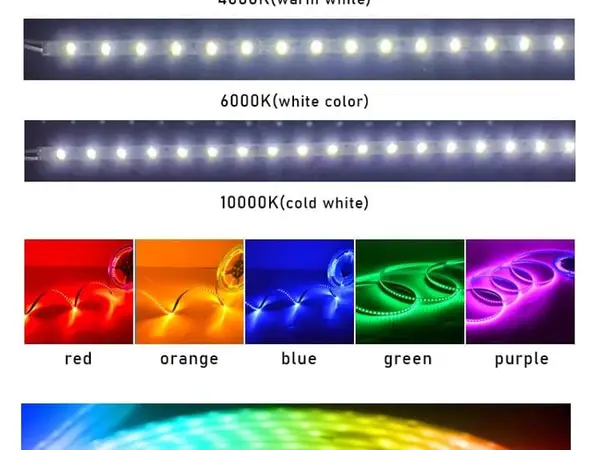
Color temperature matters more than brightness. 3000–3500K warm light makes mozzarella look creamy. 6000–6500K cool light makes it look like a laboratory. A pizza shop is hospitality, not a highway sign.
I've watched a shop owner buy a $400 indoor menu board and mount it outside under an awning. It died in 90 days. He said the vendor ripped him off. The vendor should have asked where it was going.
Delivery/carryout pizza shops live and die by the road. If the building sits back from the street, a storefront sign won't save them. They need height and readability at speed.
A pylon letter in 304 stainless baked-paint finish runs $0.6–$0.7/cm. A 120cm letter costs $72–$84. That's cheaper than the delivery driver's insurance, and it pulls cars off the highway.
Most strip-mall pylon signs are owned by the landlord, not the pizza shop. So sell what the owner can control: a monument sign at the entrance or a directional blade. If they share a plaza with 15 other businesses, a wayfinding and directional system beats another glowing logo. Nobody eats what they can't find.
For coastal or industrial areas, 316 stainless is non-negotiable. It has 2–3% molybdenum for corrosion resistance and costs 20–30% more than 304. A strip mall in Ohio? 304 is fine. Miami Beach? Pay for 316 or replace the letters in three years.
Neon is dead for new pizza shop signs. I'll say it. Real glass neon breaks, pulls high voltage, and repair costs more than the sign. LED flex looks the same without the liability, and a floor neon letter in border/frame style at 3ft height costs $70 single-color factory-direct.
Fluorescent tubes are the other liar. They flicker in cold weather, ballasts die in year two, and light output drops fast. Our LED modules — SMD 2835 at 100–150 lm/W — outlast them 3-to-1. Cheap modules die in 12–18 months. Branded ones go 5+ years real lifespan.
For the actual letter, stainless steel is the workhorse. 304 is 18% chromium, 8% nickel, and lives 10+ years outdoors. Aluminum is a third of steel's weight and naturally rust-proof — 8–12 years. For a small indoor slice counter, acrylic LED letters are clean, cheap, and don't need a crane to install.
Here's what nobody tells you: the biggest cost difference isn't material. Labor and shipping are. A front-lit stainless letter costs $0.7–$0.9/cm from a factory. A domestic fabricator charges $800 for the same letter. Same 304 stainless, same LEDs. I've watched it happen.
Compliance separates the pros from the amateurs. In the US, you need NEC Article 600 for electrical, UL 48 or ETL listing for illuminated signs, and ADA for any tactile signage. UL 48 runs $4,000–$15,000 and takes 4–9 months with quarterly audits. ETL is a cheaper alternative — 10–30% less.
CE marking costs 20,000–50,000 RMB and takes 2–8 weeks. Most factories claim they have it. Ask to see the certificate with today's date. Watch them sweat. I've done it. That's the fastest way to separate a real factory from a trading company.
Warranty tells you what the factory actually believes. We cover LEDs for 2 years and power supplies for 1 year. If a vendor offers a 5-year LED warranty on cheap modules, they won't be in business when you call.
Shipping is where the hidden damage lives. Express takes 7–10 days, air about 10, fast sea 40–50, standard sea about 65. LCL sea freight means your crate gets handled 6–8 times between our dock and yours. Every touch is a chance for damage. That's not in the brochure.
Installation: for a hardwired illuminated sign, get a licensed electrician. Don't install a 240V sign in a 120V market because you saved $3 on a power supply. And don't mount a sign at 8 feet when the ADA says tactile signs go 48–60 inches. That's a lawsuit with a logo.
Look, the best sign for a pizza shop is the one the owner can afford, the city will approve, and the customer can read from the road. If you're buying factory-direct, ask about the actual certificate, the actual acrylic, and the actual LED brand. If the answer is "we use top quality," hang up.
FAQ: Questions I Can't Believe I Still Have to Answer
How much does a pizza shop sign cost? A front-lit channel letter runs $0.7–$0.9/cm factory-direct. A 60cm letter is $42–$54. Full storefront, you're looking at a few hundred bucks before shipping and install — not thousands.
Can I install it myself? You can mount a non-illuminated acrylic letter with 3M tape. You can't legally hardwire an illuminated sign without a licensed electrician in most US jurisdictions. Don't ask me to bless it.
Should I buy a used sign? No. You don't know the LED hours, the seal condition, or the voltage. You'll pay twice: once for the sign, once for the service call.
What if I need it fast? Our sample lead time is about 5 days. Bulk is roughly 15 days, depending on size and complexity. Express shipping is 7–10 days. If you need it tomorrow, call a local shop and pay triple.
Products mentioned or relevant to this topic — factory-direct, custom built.
From $16/letter · MOQ 1 piece · 7–15 day production · CE & UL certified · ships to 20+ countries
Custom sizes, colors, and finishes. Get a factory price in 24 hours.
Get a Free QuoteWhatsApp +86 13865703472 · cairuisheng@aochuangsign.cn