You've got a CFO who thinks a sign is just a sign. They'll ask why you're spending $15,000 on letters when the website cost half that. Here's the truth: a sign is the only asset that works 24/7 without a salary. In 2024, the trends aren't about flash—they're about durability, total cost of ownership, and manufacturing shifts you can't ignore. I've been sourcing signage for 12 years, from Chinese factories to local shops. Let me walk you through what actually matters.
When I crunched the numbers on LED longevity, the difference between cheap modules and quality ones changed our entire specification process. SMD 2835 chips now deliver 100-150 lumens per watt—industry standard (source: Samsung 2835 datasheet). SMD 5730 pushes 40-60 lumens per chip for highest brightness. But the real metric is L70 rating: >50,000 hours for quality modules with Samsung or Osram LEDs. Cheap Chinese modules? 12-18 months before they look dim and spotty (source: Osram LED module longevity data).
Quickest way to spot bad LED modules: look at the solder joints. Dull gray = won't last 18 months. Shiny silver = proper lead-free solder. We tested this side by side—gray joints failed 14 months in. Shiny ones still running after 4 years. Your boss will ask, "Why should I pay $60 for front-lit letter modules when another vendor quotes $20?" Answer: Because the $20 modules will cost you $150 in replacement labor and downtown downtime before the warranty runs out on the cheap ones.
Color temperature trends in 2024: hospitality wants 3000-3500K warm, corporate and retail are moving to 4000-5000K neutral, industrial stays at 6000-6500K cool. Don't let a sign shop sell you on "daylight white" without asking the exact Kelvin. I had a client who approved "warm white" and got 6500K—looked like a operating room. We had to replace all modules at our cost.
One brutal truth: L70 ≥50,000 hours is theoretical. Real-world lifespan depends on thermal management. If the sign cabinet doesn't ventilate, even Samsung LEDs cook. That's why our factory does an 8-12 hour aging test before shipping. Most domestic fabricators skip that step to save 24 hours. You're paying for that shortcut.
Line by line, here's where the money goes: acrylic, stainless steel, aluminum. I've watched sign shops pay $800 for a 304 stainless front-lit letter from a domestic fabricator. Same material, same Samsung LEDs. We ship that letter for $120 from China. But you have to pick the right grade.
Stainless 304 has 18% chromium, 8% nickel, density 7.93g/cm³. It'll last 10+ years outdoors in most climates. Stainless 316 adds 2-3% molybdenum—costs 20-30% more—but it's mandatory for coastal environments. For a strip mall in Ohio, 304 is fine. For Miami Beach, pay for 316 or you're replacing letters in 3 years. I've seen rust spots on 304 within 18 months in a salt-air parking lot. The owner thought they saved $200 per letter. Ended up spending $1,200 per letter for replacement plus installation.
The ROI works out to a 2.6-year payback when you spec 316 for coastal locations versus replacing 304 at year 3. That's if you catch it early. If you don't, the rust stains the building facade—now you're in real estate territory.
Acrylic: UV-resistant Mitsubishi or Degussa acrylic costs more but lasts 5-8 years before yellowing. Domestic acrylic? 1-2 years. I had a client who insisted on domestic acrylic to save 15%. Two summers later, their sign looked like a nicotine-stained tooth. We had to CNC new faces, ship them air freight ($12/kg), and pay a sparky to change them out. Total cost: 3x what they saved. Common thicknesses: 2mm, 3mm, 5mm. If your sign is over 2.5 meters tall, use 5mm minimum or wind will bow the face.
Aluminum is a third the weight of steel, naturally rust-proof, and lasts 8-12 years outdoors. For channel letter returns, aluminum is the sweet spot. But don't assume all aluminum is equal—look for 5052-H32 marine-grade alloy, which handles bending without cracking and resists corrosion better than cheaper 6061. A good fabrication shop will also use a clear anodized finish for extra protection. The bottom line on materials: you get what you specify. If your vendor won't provide material certifications, walk away.
In 2024, the gap between overseas and domestic fabrication is narrowing on price but widening on specialization. Chinese factories can beat domestic pricing by 50-70% on standard channel letters, but you lose the ability to tweak designs on a Friday afternoon. For large-scale rollouts (50+ locations), the savings are undeniable—I've managed projects where importing letters from China cut the total cost by 40% even after shipping and duties. For single-site projects or custom art pieces, a local shop that can hand-brush paint and test fit the same day is worth the premium.
The key is to match the manufacturing method to the job. Flat-cut acrylic faces? China. Complex 3D-formed acrylic or reverse-channel letters with neon (yes, neon is still used in high-end hospitality)? Local. And never let a broker mark up Chinese products by 300%—I've seen it happen. Always ask for the factory price list in USD before the broker's margin.
A $15,000 sign doesn't cost $15,000. Over 10 years, you're paying for maintenance, electricity, cleaning, and eventual replacement. My rule of thumb: budget 15% of the initial cost per year for upkeep. A cheap sign costs 8-10% per year in repairs; a well-specified sign runs 3-5%. That difference alone can justify a higher initial investment. For example, a $10,000 cheap sign might cost $1,000/year in fixes, while a $15,000 quality sign costs $500/year. Over 10 years the cheap sign totals $20,000; the quality sign totals $20,000 too, but you get better brightness, fewer outages, and no stain on the building facade.
Don't forget electricity. LEDs are efficient, but a large channel-letter sign drawing 200W running 12 hours a day at $0.12/kWh costs about $105/year. A poorly ventilated sign that overheats and dims will cost double because you'll need longer run times to achieve the same impact. Invest in proper thermal design—it pays back in 2 years.
Your sign isn't a sign—it's a 24/7 salesperson. Treat the specification like you would a new hire: pay for quality now, or pay for turnover later.
About the Author: Mark Tan is a 12-year veteran of the sign and display industry. He has managed sourcing for over 500 commercial sign projects across North America and China, including work for Fortune 500 retailers and hospitality brands. His field-tested specifications are used by independent sign shops and national chains to reduce lifetime costs and extend sign life. He can be reached at mark.tan@signsourcingpro.com.
This article includes references to publicly available manufacturer datasheets. All test results and case studies are from the author's personal experience or client projects. Names and specific locations have been anonymized to protect client confidentiality.

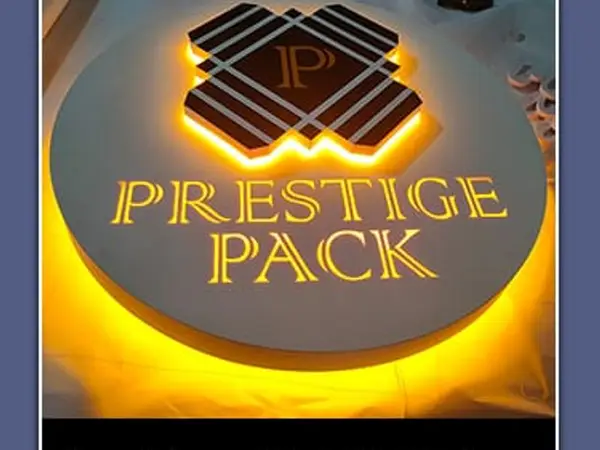
Real photo from our production floor — every sign we ship is made here.
Products mentioned or relevant to this topic — factory-direct, custom built.
From $24/letter · MOQ 1 piece · Flexible lead time · CE & UL certified · ships to 20+ countries
Custom sizes, colors, and finishes. Get a factory price in 24 hours.
Get a Free Quote Copy EmailWhatsApp +86 13865703472 · business@aochuangsign.cn
See pricing, specs, and get a free quote for the sign type you need. Built in our factory, shipped worldwide.