
I was on my knees behind a storefront at 2 a.m., a half-disassembled lightbox dangling above me, wiping sweat and silicone off my hands. The owner had complained about “weird dark lines” across her logo. The installer swore he used “the good LEDs.” I popped the acrylic face off and there it was — a dotted mess, individual bright spots glaring out of dead zones. SMD 2835 strips, packed too tight, zero real diffusion. The sign looked like a chewed-up Lite-Brite. 16 years in this trade. That night I swore I’d cut through the spec-sheet bullshit and tell you the real story about COB versus SMD.
Look, I’m not a blogger. Not even close. I’ve burned my hands on hot acrylic, argued with suppliers about LED quality until they hung up on me, watched a sign leave the shop looking perfect and come back six months later looking like a moldy jack-o’-lantern. I’m gonna lay out chip-on-board versus surface-mounted device LEDs for signs. No buzzwords. Just the ugly truth, the numbers that matter, and the times I’ve been dead wrong.
COB stands for chip-on-board. No individual LED packages. Instead, the manufacturer bonds a dense array of tiny LED chips right onto a substrate and blankets the whole thing under a single phosphor layer. You don’t see separate diodes. You see one solid ribbon of light. That means COB strips have no hot spots, no ugly dotted lines—they glow like a miniature fluorescent tube, if you’re old enough to remember those.
I first handled COB about eight years ago when a hotel client wanted LED neon flex that could bend into cursive script and still look like real glass. The SMD neon flex we’d been using had that annoying string-of-pearls effect the second you looked at it from an angle. COB neon flex solved that. Smooth, unbroken glow. But that smoothness comes with a cost I’ll get to.
Construction matters. Big time. Because all those chips sit under one phosphor blanket, an overheated spot can take out the whole segment, not just one diode. A good COB strip from a factory that actually tests its stuff cranks out 120–160 lumens per watt. Cheap COB? 90 lumens and dead in months. I’ve seen it happen.
SMD—surface-mounted device—is what 95% of sign shops run. It’s a tiny plastic package with a little metal lead frame, a chip inside, and a blob of phosphor on top. For signage, you’ve got three main sizes: 2835, 5050, and 5730.
Here’s what nobody tells you: those sizes aren’t just about brightness. They’re about heat, optics, and how much cussing you’ll do on a ladder down the road. SMD 2835 (2.8mm x 3.5mm) spits out 100–150 lm/W and costs so little you can fill a whole channel letter with modules without blowing the budget. Dirt cheap. It’s the bread and butter for front-lit signs. SMD
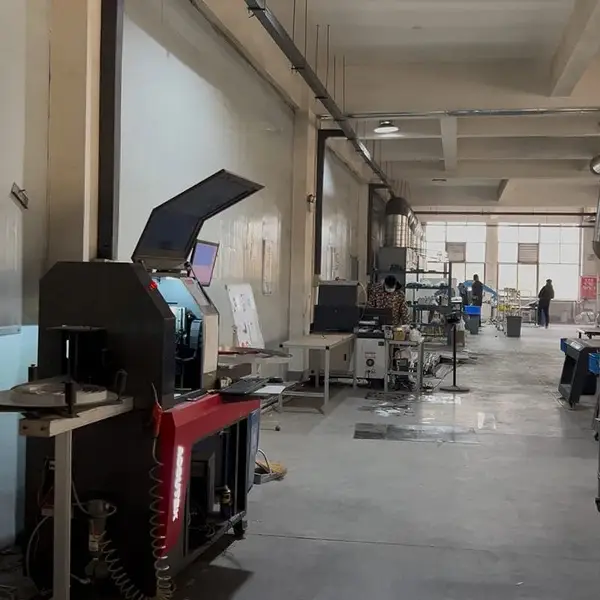
Real photo from our production floor — every sign we ship is made here.
Products mentioned or relevant to this topic — factory-direct, custom built.
From $24/letter · MOQ 1 piece · Flexible lead time · CE & UL certified · ships to 20+ countries
Custom sizes, colors, and finishes. Get a factory price in 24 hours.
Get a Free Quote Copy EmailWhatsApp +86 13865703472 · business@aochuangsign.cn
See pricing, specs, and get a free quote for the sign type you need. Built in our factory, shipped worldwide.