LED signs have become common, but the real question is whether they save you much on electricity. Let’s look at the actual ROI math and separate what’s true from what’s not.
When it comes to energy use, LED signs usually draw less power than traditional neon signs for the same job. A typical commercial sign runs 24/7, so the difference shows up on the power bill. Many businesses see real savings after switching from neon to LED, especially on larger signs or signs that run all night.
Lumens measure actual light output, and that is the number to watch. For the same light output, an LED sign will generally use less electricity than a neon sign. If you need a certain brightness for a storefront, LED does the job with lower wattage. That is the main efficiency advantage in practical terms.
Now let’s talk numbers. The upfront cost depends on the sign type and size, but long-term savings usually matter more. Neon flex signs run about $30–200 per sign. LED channel letters vary by style: front-lit is around $20–80 per letter, and halo-lit is around $35–120 per letter. Neon replacement cost varies by project, and traditional neon often needs more frequent attention. LED signs with decent modules can last 5 years or more. Neon maintenance like gas refills and glass repairs adds up. With LED signs, maintenance is much lower, and total cost of ownership is usually lower too.
LED signs are a solid investment if you use good modules. Quality modules from brands like Samsung, Osram, or Blueview will last five-plus years. That saves real money on replacement costs. Traditional neon signs can last a long time, but they are harder to maintain. Halogen is worse; it burns out quickly and shows up on your energy bill. With LEDs, you are looking at 50,000 hours of L70 life. That means the sign stays bright and keeps working for a long time.
But here is the hard part: cheap LEDs are a false economy. You might save a few dollars up front, but they can burn out in 12–18 months. That is not savings; it is a headache. When you are shopping for an LED sign, do not skimp on quality. It is worth the extra cost over time.
Maintenance is another part of the math. Traditional signs need more ongoing care. Neon signs need regular servicing, and halogen needs replacement more often. LED signs need less. That means less downtime and less money spent on upkeep. When you run ROI numbers, include maintenance time and cost, not just the power bill.
Size matters, but not in the way people think. A larger LED sign will use more total electricity than a smaller one. A 3m² light box draws more power than a 1m² light box. That is expected. The goal is to size the sign to the space so you are not paying for more light than you need.
Do not oversize. A sign that is too big for your space wastes energy and money. When you are planning a sign, work with a professional to find the right size for the location. It is about matching the sign to the job.
The type of LED matters too. SMD 5730 LEDs are brighter, but they draw more power. SMD 2835 LEDs are more efficient but less bright. Choose based on how much light you actually need and your budget.

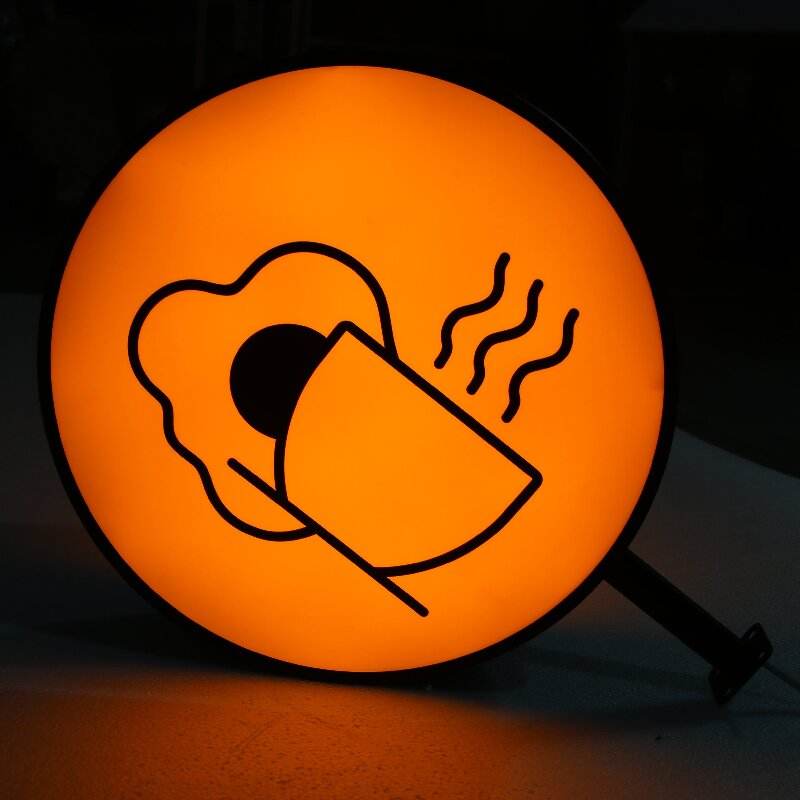
Real photo from our production floor — every sign we ship is made here.
From $24/letter · MOQ 1 piece · Flexible lead time · Project-specific compliance documents · ships to 20+ countries
Custom sizes, colors, and finishes. Get a factory price in 24 hours.
Get a Free Quote Copy EmailWhatsApp +86 13865703472 · business@aochuangsign.cn