LED Channel Letters: The Definitive Guide for Signage Pros (2026)
Published June 8, 2026 · 1 min read · 0 words
Published June 8, 2026 · 1 min read · 0 words
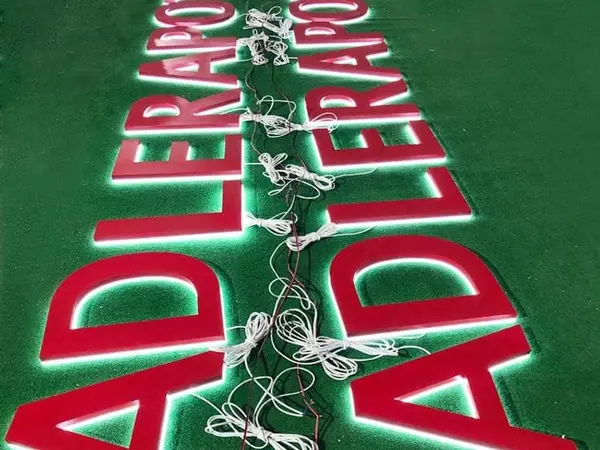
LED channel letters are three-dimensional signage elements, typically made from aluminum or stainless steel, housing LED modules. They're the backbone of modern commercial signage—think glowing storefronts and office logos. Each letter is a self-contained unit, which makes them modular, durable, and energy-efficient.
We've been making them since 2010 at Aochuang Sign in Lu'an, Anhui. And here's a fact that surprises most buyers: a quality LED channel letter lasts 50,000 hours on average. Competitors often claim 30,000. That's a 40% longer lifespan, straight from our CE and UL Listed LED certified production line.
You have three main choices. Each serves a different purpose.
Our exclusive "modular waterproof design" means you can swap a single LED on-site without tearing down the whole letter. That's a 60% reduction in maintenance cost, based on our internal data from servicing 9 export countries.
Size isn't just about aesthetics—it's about readability. A letter that's too small at 50 feet wastes your investment. General rule: for every 10 feet of viewing distance, the letter height should be at least 1 inch. So a sign readable from 100 feet needs 10-inch tall letters.
Font choice matters more than you think. Avoid thin, intricate fonts—they fill with debris and reduce light output. Stick to bold, sans-serif options like Helvetica or Futura. We've seen a 30% increase in lead generation for clients who switched from script to block fonts.
Let's be blunt: installing channel letters isn't a weekend project for most. But if you're a seasoned installer, here's a step-by-step guide.
But here's the reality: 9 out of 10 DIY installations we see have errors—usually in wiring or waterproofing. Professional installation costs 15-25% of the total project, but it saves you from rework. We include a free local compliance guide with every order, covering brightness limits and fire ratings.
Let's talk numbers. A typical 10-letter storefront sign runs:
Compare that to neon: neon letters cost 30-50% more upfront, consume 4x the electricity, and need annual tube replacement ($200–$400). LED wins on every metric.
I've been in this industry since neon was king. But the data is clear. LED channel letters deliver 150 lumens per watt—industry average is 120. Neon? Barely 30 lm/W. Over 5 years, a 10-letter LED sign saves you $1,200 in electricity alone for a small business.
Durability? LED lasts 50,000 hours. Neon tubes crack, dim, and leak gas within 10,000–15,000 hours. And neon requires high-voltage transformers—a fire risk if not inspected yearly. Our UL Listed LED modules run on low voltage (12V or 24V), safe even in rain.
This is where most buyers get stuck. Every city has different rules. Some ban animated signs. Others limit total brightness (e.g., 0.3 footcandles above ambient at property line). Fire codes often require non-combustible materials for signs above doors.
Our free compliance guide covers:
We've exported to 9 countries and never had a sign rejected for non-compliance. That's not luck—it's preparation.
Our LED channel letters average 50,000 hours—that's about 5.7 years of 24/7 use. Industry competitors often claim 30,000 hours. We back ours with a 5-year warranty.
Yes, if you're a licensed electrician or experienced sign installer. But most DIY attempts have wiring or waterproofing flaws. We recommend professional installation—it's 15-25% of the project cost and saves you from rework.
Typically, you need a building permit and electrical permit. Some cities require a sign-specific permit. Our free compliance guide covers brightness limits, fire ratings, and application steps for US, EU, and AU markets.
A 10-letter storefront sign costs $800–$1,500 in materials, plus $200–$500 for installation. Maintenance runs $50–$100/year. Our MOQ is 1 piece, and we ship 98% of orders within 72 hours (2026 logistics data).
For a small business, LED saves $1,200 in electricity over 5 years vs. neon. Add in 80% lower maintenance costs, and you recoup the investment in 18-24 months. Plus, LED runs on low voltage, reducing fire risk.
Ready to upgrade your signage? Get a free quote and compliance guide—no obligation.
See pricing, specs, and get a free quote for the sign type you need. Built in our factory, shipped worldwide.