📌 Key Takeaways
- LED signs last 50,000–100,000 hours vs. 10,000–15,000 hours for traditional neon.
- LED signs use solid-state diodes, offering 5–10x longer lifespan and dynamic content.
- Traditional signs are static and require physical replacement to change messages.
- LED signs can adjust brightness and integrate with smart building systems.
Core Differences Between LED and Traditional Signage
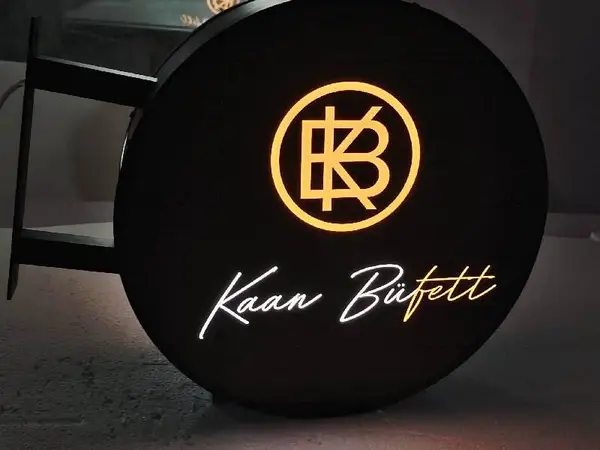
Business signage has evolved. Traditional options like neon, fluorescent-lit box signs, and vinyl banners have been the standard for decades. But LED signs now dominate because they are brighter, more durable, and far more energy-efficient.
The key difference lies in how they produce light. Traditional neon uses gas and high voltage. LED uses solid-state diodes. That simple change means LED signs last longer—typically 50,000 to 100,000 hours—while traditional neon averages only 10,000 to 15,000 hours before needing replacement.
Another major factor: flexibility. LED signs can change content remotely, adjust brightness, and even integrate with smart building systems. Traditional signs are static. Once installed, changing a message means physically replacing panels or bulbs.
LED signs offer 5–10x longer lifespan and dynamic content capabilities that traditional signage cannot match.
Energy Cost Comparison: How Much Can LED Save?
Energy is where LED signage truly shines. According to the U.S. Department of Energy, LED signs consume 30% to 75% less electricity than traditional neon or fluorescent illuminated signs. That range depends on sign size, brightness settings, and hours of operation.
Consider a typical retail storefront sign running 12 hours daily. A traditional neon sign might draw several hundred watts. An LED equivalent of the same brightness uses far less. Over five years, the electricity savings alone can offset the higher initial purchase price.
And because LED signs generate less heat—up to 80% less waste heat—they also reduce cooling loads in summer. That’s a hidden saving many business owners overlook.
LED signs cut energy costs by 30-75% compared to traditional signage, per U.S. Department of Energy data.
Initial Investment vs Long-Term Savings
Yes, LED signs typically cost more upfront than traditional options like a simple vinyl banner or a basic neon display. But that’s only half the story.
When you calculate total cost of ownership (TCO) over five years—including purchase, installation, electricity, maintenance, and replacement—LED signs can offer significant savings compared to traditional signage. Traditional neon needs bulb replacements. Fluorescent tubes burn out. Vinyl banners fade and must be reprinted. Each event adds cost and downtime.
LED modules are rated for 50,000+ hours at L70 brightness (meaning they maintain 70% of initial output). With proper thermal management and quality power supplies, actual lifespan often exceeds ratings. Warranties vary by manufacturer and product.
So while the sticker price is higher, the real cost to your business over time is often substantially lower with LED.
LED signs can offer a lower total cost of ownership over five years compared to traditional signage.
Best Use Cases: Retail, Restaurants, and Services
Not every business needs the same sign. Here’s how to match signage type to your industry:
- Retail stores: LED is almost always the better choice. High foot traffic demands bright, eye-catching displays. LED signs remain visible in direct sunlight—traditional signs fade and look dull. Smart LED signs let you update promotions instantly from your phone or computer, saving on costs versus printing new vinyl.
- Restaurants: Menu boards and directional signs benefit from LED’s ability to show animations and daily specials. Traditional chalkboards or static menu boards require manual rewriting. LED’s adjustable brightness also works well for dimly lit dining areas without glare.
- Service businesses (offices, salons, gyms): Traditional signage can work if you never change your message—like a fixed business name. But for hours, services, or promotions, LED’s remote update capability is a game changer. You avoid the recurring cost of reprinting and reinstallation.
One personal observation: I’ve seen too many small business owners buy cheap traditional signs to save a few hundred dollars, then spend triple that on electricity and replacements within two years. Plan for the long haul.
Retail and restaurants gain the most from LED; service businesses with static needs can still benefit from LED’s low maintenance.
Installation and Maintenance: Which Is Easier?
Traditional signage installation is often simpler—especially for vinyl banners or basic neon. But that simplicity comes with trade-offs. Neon requires high-voltage wiring, which may need a licensed electrician. Fluorescent box signs are heavy and require structural mounting.
LED signs, especially modern panel systems, are lighter and often rated IP65 weatherproof. They can be mounted with standard hardware. Permits vary by city, but LED’s lower power draw sometimes reduces electrical permit requirements.
Maintenance is where LED wins decisively. Traditional neon tubes break. Fluorescent ballasts fail. Each repair costs time and money. LED modules are solid-state—no glass, no gas. If one module fails, the rest stay lit. And with smart monitoring, some systems alert you to issues before they become visible.
LED signs require less maintenance and have fewer failure points than traditional signage.
Performance in Extreme Weather
If your business is in an area with heat, cold, rain, or snow, this matters. Traditional neon can be fragile in cold weather—glass tubes contract and crack. Vinyl banners tear in high winds. Fluorescent lights struggle to start in freezing temperatures.
LED signs with IP65 weatherproof certification handle rain, snow, and dust. They operate reliably from sub-zero to scorching heat. The solid-state construction means no glass to break. And because they generate less heat, they don’t suffer from thermal shock in rapid temperature changes.
LED signs outperform traditional signage in extreme weather thanks to solid-state construction and IP65 weatherproofing.
Environmental Impact and Sustainability
Traditional signage has a hidden environmental cost. Neon contains argon and sometimes mercury—hazardous to dispose of. Fluorescent tubes also contain mercury. Vinyl banners are plastic-based and rarely recyclable.
LED signs are more sustainable. They contain no hazardous gases. Their long lifespan means fewer replacements end up in landfills. And lower energy consumption reduces your business’s carbon footprint directly.
Many LED components—like aluminum frames and circuit boards—are recyclable. When you choose LED, you’re not just saving money; you’re making a greener choice for your community.
LED signage is more environmentally sustainable, with no hazardous materials and lower energy consumption.
Decision Guide: How to Choose Based on Budget and Needs
Here’s a simple framework to decide:
- Low budget, short-term use (under 2 years): Traditional vinyl banners or basic neon may suffice. But expect higher energy and replacement costs.
- Medium budget, long-term use (3–5+ years): LED is the clear winner. The upfront investment pays back within 2–3 years through energy and maintenance savings.
- Need dynamic content or remote updates: LED is your only real option. Traditional signage cannot compete on flexibility.
- Historical district or strict aesthetic rules: Traditional neon may be required for authenticity. But consider hybrid options like LED neon flex—same look, better efficiency.
Still unsure? Contact us directly. We’ll help you calculate your specific ROI based on your sign size, location, and operating hours. No pressure—just honest advice from a factory that has been manufacturing signage since 2010.
Use this guide: LED for long-term savings and flexibility; traditional only for short-term or aesthetic-restricted scenarios.
Frequently Asked Questions
Q: How much energy do LED signs save compared to traditional neon?
A: According to the U.S. Department of Energy, LED signs consume 30–75% less electricity than traditional neon or fluorescent signage.
Q: What is the lifespan of an LED sign versus a traditional sign?
A: LED signs typically last 50,000–100,000 hours. Traditional neon lasts only 10,000–15,000 hours before needing replacement.
Q: Are LED signs worth the higher initial cost?
A: Yes, for most businesses. The total cost of ownership over five years is often lower for LED due to energy savings, lower maintenance, and fewer replacements.
Q: Can LED signs be
Ready to boost your business visibility with energy-efficient LED signs that last 5x longer than traditional options? Contact us for a free consultation and custom quote. Email business@aochuangsign.cn | WhatsApp +86 13865703472Upgrade Your Signage Today

Real photo from our production floor — every sign we ship is made here.
Buy Factory-Direct LED Signs
From $24/letter · MOQ 1 piece · Flexible lead time · CE & UL certified · ships to 20+ countries
Custom sizes, colors, and finishes. Get a factory price in 24 hours.
Get a Free Quote Copy EmailWhatsApp +86 13865703472 · business@aochuangsign.cn