Certification cost hits the total job cost. For stainless steel signs, the gap is real. Aochuang Sign quotes UL certification at $4,000-15,000, and it can take 4-9 months. CE certification usually costs a few thousand dollars and takes 2-8 weeks. That’s a meaningful savings on paper, though the right choice depends on the destination market. For a small sign manufacturer, paying for the wrong certification can wipe out the job margin.
Put it this way: a single stainless steel sign already has its own shop cost. Adding UL certification at $4,000-15,000 often makes the certification line bigger than the sign itself on a small order. CE certification adds a much smaller amount, so some customers choose CE to keep the per-piece price competitive. It’s not only the certificate fee; it’s how that fee spreads across the order and shows up in the final quote.
Also, UL certification comes with quarterly audits, which add ongoing expense. CE is cheaper upfront, but it may not be accepted everywhere. Some markets will not clear the goods without UL. So the real decision is less about the fee and more about where the signs will be installed.
Quality control matters in this business, and certification feeds into it. UL work follows our 10-step production process, from design confirmation through 100% QC inspection before export packing. Each step is checked against UL requirements, which tends to keep the product consistent.
CE certification is less strict, but it still confirms the sign meets EU health and safety rules. Aochuang Sign’s 8-12 hour aging test is part of that work and helps catch early failures. The real quality difference between UL and CE signs is often small, but UL work is heavier on documentation and component traceability. UL signs often hold up a bit longer in direct sun, humidity, and coastal air.
In practice, certification doesn’t automatically make a sign better. Many factories, including Aochuang Sign, build to the same shop standards whether the job is UL or CE. Certification is a guarantee to the buyer and the inspector, not a shortcut around good manufacturing. A CE mark means the sign meets basic safety rules; it doesn’t promise 15 years outdoors. For a factory, the job is balancing quality and cost for the specific market.
Official references relevant to the standards and terminology discussed in this article:
Requirements vary by product, installation and jurisdiction. Confirm final specifications with the responsible engineer and authority having jurisdiction.
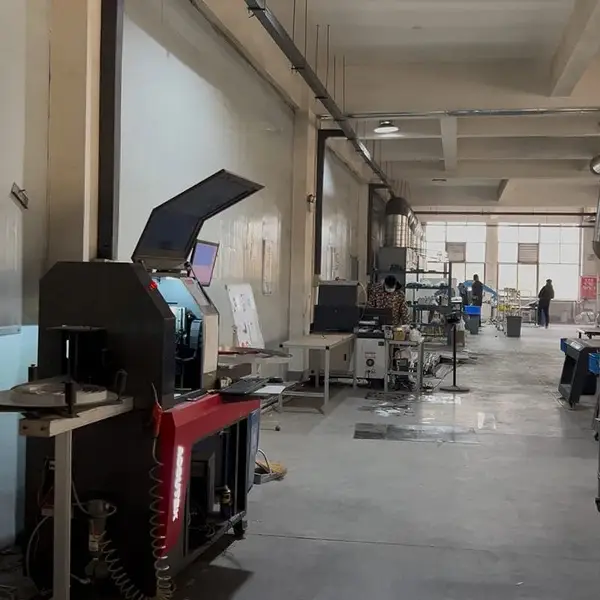
Real photo from our production floor — every sign we ship is made here.
From $24/letter · MOQ 1 piece · Flexible lead time · Project-specific compliance documents · ships to 20+ countries
Custom sizes, colors, and finishes. Get a factory price in 24 hours.
Get a Free Quote Copy EmailWhatsApp +86 13865703472 · business@aochuangsign.cn