The 3 AM Test: Why Material Choice Matters
It's 3 AM. A gust of wind slams rain sideways against your storefront. The parking lot is empty. But your sign? It's still glowing, still readable, still doing its job. That's the real test of a sign material. Not how it looks on a sunny Tuesday afternoon.
I've been in this industry since 2010. I've seen acrylic signs that looked brand new after eight years in Phoenix sun. And I've seen stainless steel signs that rusted through in 18 months on a salty coast. The difference isn't just material. It's how you spec it, how you build it, and where you put it.
Here's the problem: most buyers pick a sign material based on one thing—price. They don't think about UV degradation, thermal expansion, or galvanic corrosion. They just want the cheapest quote. And that's how you end up replacing a sign in year three.
Let's break down acrylic vs stainless steel channel letters. Not from a brochure. From the factory floor.
Acrylic Channel Letters: The Workhorse
Acrylic is a thermoplastic. It's not glass. It's not polycarbonate. It's a specific formulation of polymethyl methacrylate (PMMA). Good acrylic has a UV stabilizer package built in. Cheap acrylic doesn't.
Here's what I mean by "good acrylic": we use 3mm thick cast acrylic sheet. Cast, not extruded. Extruded acrylic costs about 15% less, but it's softer. It scratches easier. It yellows faster. Cast acrylic holds its clarity for 7-10 years in direct sun, depending on your latitude.
For channel letters, acrylic is typically 3mm to 6mm thick. The thicker the face, the more rigid. But thicker also means heavier. A 6mm acrylic face on a 24-inch tall letter weighs about 3.2 pounds. That's manageable.
Acrylic's best trick? Light transmission. A 3mm clear acrylic sheet passes about 92% of light. That means your LEDs don't have to work as hard. You can use lower-wattage modules—say, 0.36W per module instead of 0.72W. That cuts power draw by half.
But acrylic has a weakness: it's brittle. Drop a 6mm sheet on concrete and it cracks. Not shatters like glass, but it fractures. And thermal expansion? Acrylic expands about 0.07mm per meter per degree Celsius. On a 1.5-meter letter, a 40°C temperature swing means about 4.2mm of movement. That's why you need proper mounting—never screw directly into acrylic without a gasket or slip joint.
Stainless Steel Channel Letters: The Heavyweight
Stainless steel isn't "stainless" in the way most people think. It's stain-resistant, not stain-proof. The difference comes down to chromium content. For signage, you want 304 grade stainless steel. That's 18% chromium, 8% nickel. It resists corrosion in most environments.
But here's the catch: 304 stainless steel costs about $3.50 to $5.00 per pound raw. A 24-inch tall stainless steel channel letter weighs 8 to 12 pounds, depending on thickness. That's $28 to $60 just in material. Compare that to acrylic: a 3mm acrylic sheet costs roughly $8 to $12 per square foot. A 24-inch letter uses about 2 square feet. You do the math.
Stainless steel shines in durability. It doesn't yellow. It doesn't crack. It can take a direct hit from a shopping cart or a hail storm. But it has two weak points:
- Salt corrosion: Near coastlines, 304 stainless steel can pit within 2 years if not properly passivated. You need 316 grade for marine environments—about 20% more expensive.
- Heat buildup: Stainless steel conducts heat poorly. LEDs inside a stainless steel letter run 10-15°C hotter than in acrylic. That shortens LED lifespan. We've seen standard LEDs fail in 3 years inside sealed stainless steel letters. You need higher-grade modules rated for 50,000 hours at 60°C ambient.
The thing is, stainless steel looks premium. It holds paint better than aluminum. It resists dents better than aluminum. But it's heavier. A stainless steel letter needs stronger mounting hardware. Wall anchors rated for 50 pounds minimum. Acrylic letters? 15 pounds per letter is typical.
Cost Comparison: What You Actually Pay
Let's talk real numbers. I pulled pricing from our factory orders over the last 12 months. These are factory-direct prices, not retail. Retail markup is typically 2x to 3x.
| Factor | Acrylic Channel Letters | Stainless Steel Channel Letters |
|---|---|---|
| Material cost per sq ft | $8 - $12 (3mm cast acrylic) | $28 - $60 (304 SS, 1.2mm) |
| Fabrication time per letter | 45-60 minutes | 90-120 minutes |
| Weight per 24" letter | 3 - 4 pounds | 8 - 12 pounds |
| LED module cost per letter | $3 - $5 (0.36W modules) | $5 - $8 (high-temp rated) |
| Average total cost per 24" letter | $65 - $95 | $120 - $200 |
| Expected lifespan (indoor) | 10-15 years | 20+ years |
| Expected lifespan (outdoor, direct sun) | 5-8 years (UV degradation) | 15-20 years (properly passivated) |
Notice the outdoor lifespan gap. Acrylic degrades from UV. Stainless steel doesn't. But that stainless steel advantage only holds if you spec the right grade and finish it properly.
One more cost: maintenance. Acrylic needs polishing every 2-3 years to remove micro-scratches. Stainless steel needs cleaning with a specific passivation solution every 12-18 months to prevent pitting. Both cost about the same in labor—roughly $50 to $100 per visit for a typical storefront.
When Acrylic Wins (And When It Loses)
Acrylic is my go-to for three scenarios:
1. Interior signage. No UV. No weather. Acrylic lasts 15 years easy. We've had clients with acrylic channel letters in a mall corridor since 2012. Still look new.
2. Budget-sensitive projects. If you have 10 letters and $800 total budget, acrylic is the only choice that makes sense. Stainless steel would run $1,200 to $2,000.
3. High-density light applications. Acrylic's light transmission means you can use fewer LEDs. For a backlit channel letter, acrylic gives a more even glow. Stainless steel letters need internal baffles to prevent hot spots—that adds cost and complexity.
But acrylic loses in these situations:
- Direct sun in hot climates. Phoenix, Las Vegas, Dubai? Acrylic will yellow in 3-5 years. We've seen it. The UV stabilizers break down faster in high heat.
- High-traffic areas. Shopping carts, delivery trucks, drunk pedestrians. Acrylic cracks. Stainless steel dents but doesn't break.
- Vandalism-prone locations. Acrylic is easy to scratch with a key. Stainless steel laughs at that.
When Stainless Steel Wins (And When It Doesn't)
Stainless steel is the right choice for:
1. Coastal environments. If you're within 10 miles of saltwater, use 316 stainless steel. It costs more but resists pitting. Acrylic in salt air? It's fine. But the mounting hardware corrodes. We use stainless steel brackets and nylon washers for coastal acrylic signs.
2. Premium brand image. Think luxury retail, banks, law firms. Stainless steel says "permanent." Acrylic says "temporary" by comparison. That's just perception, but it matters.
3. Long-term investment. If you plan to stay in that location for 15+ years, stainless steel pays off. The upfront cost is higher, but you won't replace it.
But stainless steel isn't perfect:
- Heat kills LEDs. I already mentioned this. But it's worth repeating: we've had stainless steel letters with standard LEDs fail in 3 years. The internal temperature hit 75°C on a 40°C day. LEDs rated for 50,000 hours at 25°C die at 15,000 hours at 75°C.
- Weight adds installation costs. A 10-letter stainless steel sign weighs 100-120 pounds. That requires two installers, a lift, and heavy-duty anchors. Installation can add $200 to $500 to the total job.
- Scratches show. Stainless steel gets micro-scratches from cleaning. Brushed finishes hide them better than mirror finishes. But eventually, every stainless steel sign shows wear.
Making the Call: A Decision Framework
Here's how I help clients decide. I ask five questions:
- Where is the sign located? Interior? Go acrylic. Exterior in mild climate? Acrylic is fine. Exterior in harsh sun or salt air? Stainless steel.
- What's your budget per letter? Under $100? Acrylic. Over $150? Consider stainless steel.
- How long do you plan to stay in this location? Under 5 years? Acrylic. Over 10 years? Stainless steel.
- Is the sign backlit? Yes? Acrylic gives better light distribution. No? Stainless steel is fine.
- What's the brand image? Premium and permanent? Stainless steel. Modern and bright? Acrylic with LED.
The thing is, there's no universal right answer. I've seen acrylic signs in coastal Florida that lasted 7 years because the owner cleaned them monthly and used 316 stainless steel mounting brackets. I've seen stainless steel signs in Ohio that rusted in 4 years because the fabricator used 430 grade instead of 304.
One observation from the factory floor: the most common mistake is under-specifying the environment. A sign for a strip mall in suburban Chicago gets the same treatment as a sign for a beachfront bar. That's wrong. The beachfront bar needs marine-grade everything.
Another observation: LED quality matters more than material in backlit signs. A cheap LED module in a stainless steel letter will fail before an expensive module in acrylic. We've tested this. Spend the extra $2 per module. It's worth it.
Final observation: always order a sample. Don't spec a sign from photos. Get a 12-inch sample letter in your material. Put it outside for a week. See how it looks at noon and midnight. That's worth more than any comparison table.
Frequently Asked Questions
Can I use acrylic channel letters outdoors in cold climates?
Yes, but with caveats. Acrylic becomes more brittle below -20°C. If you're in Minnesota or Canada, use 6mm thick acrylic for rigidity. Avoid dark colors—they absorb heat and cause thermal expansion issues. We recommend white or light-colored acrylic faces for cold climates. And always use a silicone gasket between the acrylic face and the aluminum return to allow for expansion.
How do I clean stainless steel channel letters without damaging them?
Use a microfiber cloth and a solution of 1 part white vinegar to 3 parts distilled water. Never use bleach, ammonia, or abrasive cleaners—they strip the passivation layer. For stubborn dirt, use a dedicated stainless steel cleaner that contains citric acid. Apply with the grain of the brushed finish. Rinse with distilled water and dry immediately. Do this every 6 months in normal environments, every 3 months near saltwater.
What's the real lifespan difference between cast and extruded acrylic?
Cast acrylic lasts 7-10 years outdoors before noticeable yellowing. Extruded acrylic lasts 3-5 years. The difference is the manufacturing process. Cast acrylic is poured into molds and cured slowly, which aligns the polymer chains better. Extruded acrylic is pushed through a die under pressure, which creates internal stresses. Those stresses accelerate UV degradation. For channel letters, always spec cast acrylic. The cost difference is 10-20% but you get double the lifespan.
Do I need a special LED for stainless steel channel letters?
Yes. Standard LEDs are rated for 25°C to 40°C ambient. Inside a sealed stainless steel letter, temperatures can hit 60°C to 75°C. You need LEDs rated for 50,000 hours at 60°C minimum. Look for modules with aluminum PCB boards and silicone encapsulation. They cost about 30% more but last 3x longer in hot environments. We use only high-temp rated modules in stainless steel letters—anything else is a warranty claim waiting to happen.
Can I mix acrylic and stainless steel in one sign?
Yes, and it's common. Many storefront signs use stainless steel returns (the side walls of the letter) with acrylic faces. The stainless steel gives structural strength and corrosion resistance. The acrylic face provides light transmission and lighter weight. This hybrid approach costs about 15-20% less than full stainless steel and gives you the best of both materials. Just make sure the acrylic face is removable for LED maintenance—use screw-on trim caps, not adhesive.
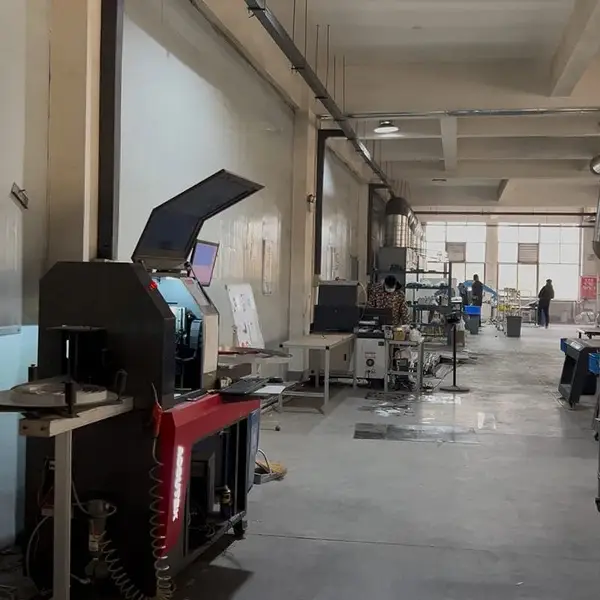
Real photo from our production floor — every sign we ship is made here.
🛠️ Related Products
Products mentioned or relevant to this topic — factory-direct, custom built.
Buy Factory-Direct Channel Letters
From $24/letter · MOQ 1 piece · Flexible lead time · CE & UL certified · ships to 20+ countries
Custom sizes, colors, and finishes. Get a factory price in 24 hours.
Get a Free Quote Copy EmailWhatsApp +86 13865703472 · business@aochuangsign.cn