Research shows that 68% of consumers judge a bank’s stability by its exterior sign. That’s not marketing fluff. It’s survival. A faded, flickering, or waterlogged sign screams "we don't pay attention to details" – and for a financial institution, that’s a death sentence. The sign has about 3 seconds to convey trust. Get it wrong, and that prime corner location becomes a liability.
A single branch can drop $15,000 to $50,000 on a full signage package. Not because the materials are precious, but because the stakes are. That 10-letter pylon sign or set of halo-lit channel letters needs to look immaculate for a decade. Through ice storms, salt spray, and 100°F heat. It has to meet codes that change from county to county and satisfy an architect who will inspect every weld bead. This isn’t like slapping vinyl on a storefront window.
Here’s the thing: bank signage is 40% engineering, 30% code compliance, and 30% pure fabrication craft. The best sign shops don’t just build signs. They solve problems the bank’s branding agency never thought about. Like how to light a 4-foot-tall serif letter evenly without hot spots, or how to keep an interior lobby sign ADA-compliant while matching a corporate Pantone. These details separate the pros from the pretenders.
An exterior bank sign must shrug off UV radiation, thermal expansion, and the occasional landscaping truck bumper. That’s why the material stack matters more than the design file. For the main cabinet or channel letter returns, 304 stainless steel is the baseline. With 18% chromium and 8% nickel, it laughs at rust for over 10 years outdoors. Density is 7.93g/cm³ – that’s a hefty, solid feel. Common thicknesses: 1.0mm to 3.0mm. For a 4-foot-tall letter, we use 2.0mm minimum to prevent oil-canning in wind. Brushed #4 finish hides scratches. Mirror #8 demands perfect polishing but delivers high-end gleam. PVD coating can tint it black or gold without peeling.
But not all stainless is equal. If the branch is within 5 miles of saltwater, you spec 316. That 2-3% molybdenum addition bumps the cost 20-30% but buys a 15+ year marine-grade life. Ignore this, and within 2 years you’ll see rust blooms creeping from the welds. Seen it happen. Ugly and expensive.
Acrylic faces need similar scrutiny. Imported UV-resistant acrylic (Mitsubishi or Degussa grades) delivers 90-92% light transmittance and holds up 5-8 years before any visible yellowing. Domestic commodity acrylic? It can start to haze and turn brittle in 18 months. For a 3-meter-wide (10-foot) sign cabinet, you use 5mm+ thickness. Anything thinner will bow under its own weight, letting water pool and LED modules short out. A 2mm or 3mm face works for small channel letters under 2.5 meters. The thing is, the bank won’t notice the thickness on day one. They’ll notice the sag on day 400.
Inside the branch, the signage plays a different game. Tactile requirements, viewing distance, ambient lighting, and a polished corporate image all compete. ADA (Americans with Disabilities Act) rules dictate tactile characters, Grade 2 Braille, and non-glare finishes. Mounting height: exactly 48 to 60 inches from the floor to the baseline of the lowest tactile character. Screw that up, and the certificate of occupancy gets delayed. No bank wants that.
Material choices shift. Acrylic dominates – often matte or satin finish to kill reflections. 3mm thick is the sweet spot: rigid enough to feel substantial, light enough to mount with VHB tape and silicone. For high-traffic lobbies, stainless steel or aluminum faceplates with applied tactile text offer a premium look that won’t scratch when cleaning crews swipe at it. But aluminum can dent easier; 0.063” (1.6mm) aluminum with a brushed anodized coat is a solid compromise.
Back-lit halo signs are increasingly popular for interior logos and department markers. They cast a soft glow onto the wall. Here, neutral 4000-5000K white LEDs maintain a crisp, corporate feel without feeling cold. Warm 3000K can work for a boutique bank aiming for a hospitality vibe. Just avoid the blue-tinged 6000K cool white indoors – it turns a welcoming lobby into a surgical waiting room. The acrylic edge should be polished smooth; any CNC tool marks will scatter light unevenly.
Banks love illumination. It says "we're open, we're solid, we're 24/7." But LED selection makes or breaks the long-term performance. SMD 2835 modules are the workhorses. They pump out 100-150 lumens per watt, run cool, and fit into tight channel letter strokes. For a 8-inch-tall front-lit letter, three evenly spaced modules are usually enough to eliminate dead spots. SMD 5050 chips bring RGB capability if the brand wants a color-changing accent, though most banks stick to static white. SMD 5730s kick out 40-60 lumens per chip – the highest brightness – and can be useful for back-lit translucent cabinets that compete with direct sunlight.
Here’s where the factory-floor wisdom kicks in. The lifespan of an LED module isn’t just the L70 rating (50,000 hours for decent Samsung or Osram chips). It’s also the solder joint quality, the IP rating of the module, and the heat sinking. Cheap no-name LED modules fail in 12-18 months. I’ve pulled them out of signs where half the string was dark. Quality controllers and modules from brands like Lan Jing Osram can run 5+ years without a hiccup. That’s why every sign should undergo an 8-12 hour burn-in aging test before it leaves the factory. We catch infant failures, not the bank’s maintenance crew at 2 a.m.
Color temperature matters more than you’d think. 4000K neutral white suits most corporate brands. It matches daylight-adjacent without being sterile. 3000-3500K warmer tones flatter skin tones indoors but can look dingy outdoors if the acrylic isn’t perfectly clear. Stick to 5000K maximum for retail bank entrances unless the spec book demands otherwise. And always confirm CRI (not below 80) – the last thing you want is the bank’s green logo looking olive because the LEDs skew.
For US installations, the National Electrical Code (NEC) Article 600 looms large. All electric signs must be listed by a Nationally Recognized Testing Laboratory (NRTL). UL 48 is the gold standard. Getting a custom sign UL-certified costs $4,000 to $15,000 and takes 4 to 9 months, with quarterly factory audits afterward. For a small run of channel letters, that’s brutal. ETL certification offers a practical alternative – usually 10-30% cheaper and accepted by most inspectors. CE marking satisfies European requirements; it costs a manufacturer 20,000-50,000 RMB and takes 2-8 weeks, but it won’t fly for a US electrical permit.
Then there’s the weather. An outdoor sign must be at least IP65: dust-tight and protected against water jets. For coastal or rainy regions, IP66 adds protection against powerful jets. I’ve never seen a bank need IP68 (submersible), but if the sign is mounted in a fountain, maybe. Check the gasket and cable glands – water always finds the lowest point.

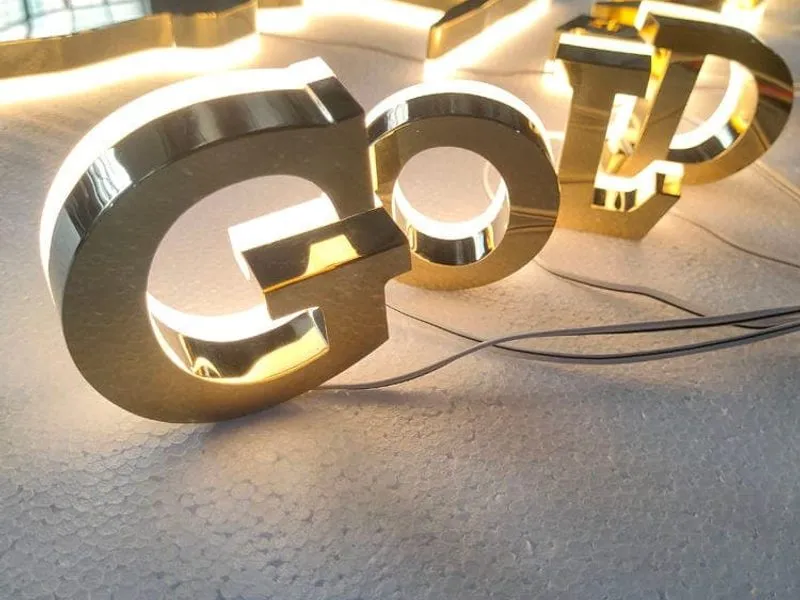
Real photo from our production floor — every sign we ship is made here.
Products mentioned or relevant to this topic — factory-direct, custom built.
Factory-direct since 2010. Free quote within 24 hours — no obligation.
Get a Free Quote → Copy EmailMOQ: 1 piece · Flexible lead time · 2-year warranty · Worldwide shipping
See pricing, specs, and get a free quote for the sign type you need. Built in our factory, shipped worldwide.