I've Watched Sign Shops Pay $800 for a Letter That Costs $120 to Build
Look, I don't care if you're ordering
front-lit channel letters for a strip mall or a full lightbox for a fast-food chain. The same mistake kills 90% of buyers: they assume because it's China, it's either dirt cheap garbage or a miracle. Neither is true.
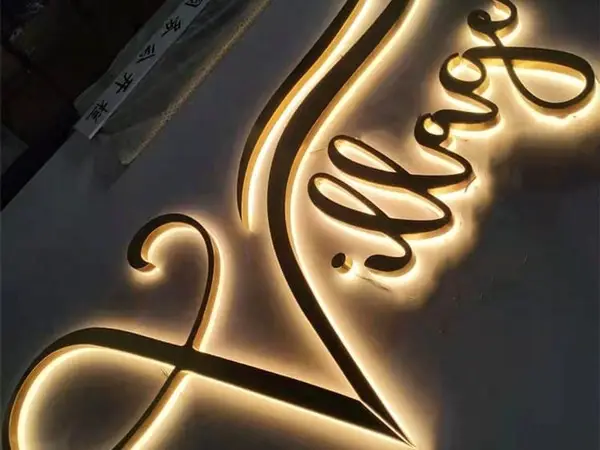
The ugly truth is there are factories that'll sell you a 304 stainless letter with Samsung LEDs for $120 that holds up 10 years outdoors. And there are factories that'll sell you the same letter for $80 with cheap modules that die in 12 months. The difference isn't luck. It's knowing what to check.
I've spent 16 years on the factory floor. Burned my hands on hot acrylic. Argued with suppliers about LED solder joints. This guide is what I wish someone handed me when I started importing signs.
Certification: The First Red Flag
Here's what nobody tells you: CE marking costs 20,000 to 50,000 RMB. Most factories will say they have it. Ask to see the certificate with today's date. Watch them sweat.
A real CE certificate from a notified body covers specific products and models. If they hand you a PDF with a date from 2019 and a vague description like "LED signs," that's a photocopy of someone else's cert. I've seen it a hundred times.
For the US market, you need UL 48 or ETL. UL costs $4,000 to $15,000 and takes 4 to 9 months. ETL is 10-30% cheaper but same safety standard. Don't let a factory tell you they can "fake" UL. They can't. If they promise UL but the price is too cheap, they're either lying or they'll ship without it. Either way, you're liable.
Materials: The Place Where Most Factories Cheat
I've seen this go wrong: a customer ordered
stainless steel letters for a coastal hotel. Paid for 316 marine grade. Got 304. Three years later, rust spots. The factory saved maybe $20 per letter. The customer lost the account.
Stainless 304 has 18% chromium and 8% nickel. 316 adds 2-3% molybdenum for salt resistance. Cost premium: 20-30%. For interior work, 304 is fine. For anything within three miles of saltwater, 316 isn't optional.
Now acrylic. Mitsubishi or Degussa acrylic holds 90-92% light transmittance and stays clear 5 to 8 years. Domestic acrylic? Yellow in 1 to 2 years. The price difference is about 40%. Customers can't see the 2% light loss between 2mm and 3mm, but they will see the yellowing.
Quick test: hold the acrylic edge to a white light. If it glows blue-white, it's quality. If it looks warm or yellowish, it's cheap domestic.
LEDs: The Real Lifespan vs. The Promised Lifespan
Here's what nobody tells you: L70 rated life of 50,000 hours means the light output drops to 70% at that point. It doesn't mean the sign stops working. But cheap modules — the ones with dull gray solder joints — die at 12 to 18 months regardless of the L70 rating.
Quality modules use Samsung or Osram chips, proper lead-free solder (shiny silver joints), and a silicone conformal coating for moisture. I've pulled cheap modules out of signs after 14 months that looked like they'd been underwater. Because they had been. Condensation inside the letter, no coating, dead.
The factory I work with — Aochuang Sign in Lu'an, Anhui — warranties LEDs for 2 years and power supplies for 1 year. That's standard for a factory that knows what they're doing. If a factory offers a 5-year warranty on the whole sign, ask what it covers. Usually just the frame, not the electronics.
Production Process: 10 Steps That Separate Pros from Cowboys
I've seen this go wrong: a buyer approved a design, paid a deposit, and two weeks later got a crate with letters that looked like they'd been cut with a dull saw. The factory skipped the aging test.
Proper production takes 7 to 15 days. Here's what happens: design confirmation (1 day) → laser cutting ±0.1mm (1-2 days) → TIG welding and bending (1-2 days) → grinding and polishing (1-2 days) → CNC acrylic face (1 day) → LED assembly (1-2 days) → sealing with neutral silicone (1 day) → 8 to 12 hour aging test → 100% QC inspection → export packaging.
The aging test is the step most factories skip. They power the sign on, say "it works," and ship it. A real aging test runs the LEDs for 8 to 12 hours. Finds dead channels, loose connections, heat issues. If a factory can't show you photos of an aging test rack, they don't do one.
Shipping and Tariffs: The Silent Budget Killers
The ugly truth is you can save 50-65% on the product cost and still lose money on shipping. LCL sea freight: $80 to $200 per cubic meter. Your crate gets handled 6 to 8 times between the factory dock and your shop. Every touch is a chance for damage.
Air freight: about 10 days, $4 to $12 per kilogram. For small orders under 50 kg, this might make sense. Express courier: 7 to 15 days, $30 to $100 for small packages.
Don't forget Section 301 tariff on Chinese signs — roughly 30% on top of the invoice value. If you're importing
acrylic LED letters for indoor use, make sure your shipping quote includes this. Many factories won't mention it.
Delivery to US West Coast: sea takes about 65 days on a full container. East Coast: add a week. Plan accordingly. I've seen sign shops order for a January opening and get the crate in March because they didn't account for Chinese New Year shutdowns.
FAQ: The Questions I Answer Every Week and Now You Don't Have to Ask
What's the minimum order quantity?
One piece. Any factory that tells you otherwise either doesn't want the business or isn't set up for custom work. Aochuang's MOQ is 1. That's common among serious factories.
How do I know if the factory is real?
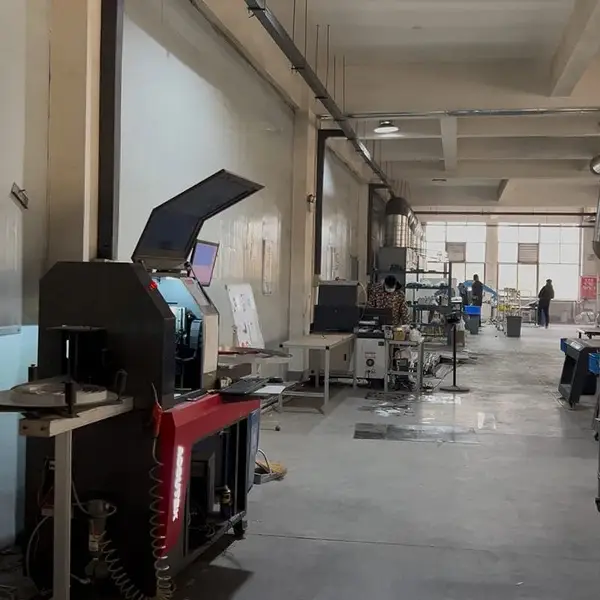
Ask for a video call with the production floor showing specific equipment. Tell them to pan to the laser cutter and show you the model number. Then ask for photos of the address matching their business license. Fake factories use a trading company address.
Which IP rating do I actually need?
IP65 means dust-tight and water jets from any direction. It does NOT mean your sign survives a Florida hurricane. For coastal areas, go IP66 or IP68. For interior, IP54 is fine. Don't let a salesperson upsell you IP68 for a dry storefront.
What about 316 vs. 304 stainless? Is it worth the extra cost?
For a strip mall in Ohio, 304 is fine. For Miami Beach, pay for 316 or you're replacing letters in 3 years. The cost premium is 20-30%. That's cheap insurance. I've seen customers ignore this and regret it after one hurricane season.