You've seen the spec sheets. IP65, IP66, IP67. Bigger number, better sign, right? Wrong. I've watched buyers pay extra for IP67 on a storefront sign that never sees anything worse than a garden hose.
I've been on the floor at Aochuang Sign for 16 years. I've seen water kill more LED signs than lightning, vandals, and bad drivers combined. The waterproof rating isn't a badge of honor. It's a tool. Use the wrong one and you're either paying for nothing or building a sign that fails in two winters.
Here's what nobody tells you: the IP rating on a sign usually means nothing unless the factory can prove what component they tested. A stainless steel letter body is just a box. The failure points are the seams, the knockouts, the face, and the wire entries.
Let's break it down without the sales pitch.
The first digit is dust. 6 means dust-tight. End of story. You don't want dust inside a channel letter because it settles on LED boards and the power supply. Dust holds moisture. Moisture kills.
The second digit is water. IP65 means water jets from any direction. Not a light mist. A 6.3mm nozzle spraying 12.5 liters per minute. That's rain, a pressure washer from a few feet back, or a car wash overspray. IP66 means the same dust-tight rating but a bigger nozzle and triple the water flow — powerful jets. This is what you want near the coast or anywhere the sign gets hosed down regularly.
IP67 is a different beast entirely. It means temporary immersion — one meter deep for 30 minutes. That's not a sign on a wall. That's a fixture in a fountain. If your outdoor illuminated sign is spending 30 minutes a meter underwater, you don't have a sign problem, you have a flood problem.
IP68 is continuous immersion. I mention it only because someone will ask. Unless you're building signs for a submarine, stop reading at IP66.
Look, I've seen this go wrong: a customer in Charleston, South Carolina, insisted on IP65 because his old sign guy said it was "waterproof enough." The sign hung 80 meters from the harbor. Salt spray, wind, and humidity ate through the silicone in 14 months. LEDs started flickering. By year two, half the letters were dark.
We rebuilt that sign with IP66-rated modules and a marine-grade sealant. Three years later, it's still burning. The lesson is simple: IP65 is fine for 90% of inland installs. But if you can smell salt water or the building pressure-washes the facade monthly, IP66 isn't an upgrade. It's the floor.
Here's what nobody tells you: many factories will slather extra silicone around the face and call it IP66. That's not an IP66 rating. That's a mess. Real IP66 means tested gaskets on access panels, sealed wire glands, and connectors rated for high-pressure water. Silicone alone degrades under UV and temperature swings.
The ugly truth is, over-sealing a sign kills it faster than a small leak. LED modules and power supplies generate heat. Seal every seam perfectly and you create an oven. Heat shortens LED lifespan. Our quality LED modules are rated L70 at 50,000 hours, but that number assumes ambient temperature, not 70°C inside a sealed box.
Worse, you trap condensation. Outdoor signs breathe with temperature changes. Warm day, cool night, and the air inside the letter expands and contracts. If there's no vent or drain, that moisture condenses on the inside face and drips onto the LED board. I've opened IP67-sealed channel letters and poured out a cup of water that's been sloshing around for a year.
So what do you actually need? IP65-rated components with proper drainage and breathable vents. Not a fully submersible
Factory-direct since 2010. Free quote within 24 hours — no obligation.
Get a Free Quote → Copy EmailMOQ: 1 piece · Flexible lead time · 2-year warranty · Worldwide shipping
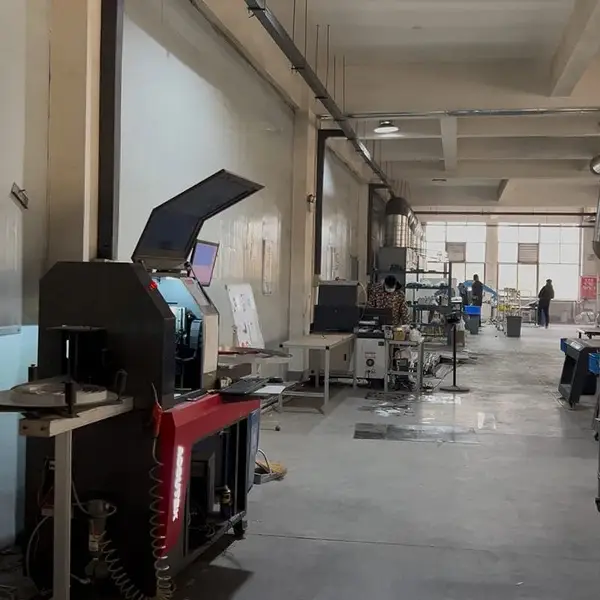
Real photo from our production floor — every sign we ship is made here.
See pricing, specs, and get a free quote for the sign type you need. Built in our factory, shipped worldwide.