Water intrusion is the leading cause of premature sign failure, often destroying LED modules and internal wiring within 6 to 12 months of installation. A single compromised seal can lead to a 40% reduction in lumen output and total circuit failure. This guide delivers factory-tested specifications for IP ratings, sealant chemistry, and drainage engineering. At Aochuang Sign, we have manufactured waterproof channel letters and metal relief signs since 2010, shipping over 50,000 units with a 2-year warranty. Use these standards to eliminate callbacks and extend sign lifespan beyond 5 years.
IP65 vs IP66 for Signs: Where to Draw the Line
IP ratings define ingress protection against dust and water. For outdoor signage, IP65 and IP66 are the minimum standards. IP65 protects against low-pressure water jets from any direction—sufficient for covered awnings or signs under eaves. IP66 withstands powerful water jets and heavy rain, critical for exposed storefronts and high-wind zones.
Factory testing at Aochuang Sign shows that IP65-rated LED modules fail at a rate of 2.3% per year in direct rainfall, compared to 0.4% for IP66. The difference is the gasket compression: IP66 requires a 3mm silicone gasket with 30% compression ratio, while IP65 uses 2mm EPDM foam. For channel letters deeper than 6 inches, always spec IP66 for the internal power supply compartment.
Real-world application: a retail chain in Seattle switched from IP65 to IP66 for their monument signs and reduced water damage claims by 78% over 18 months. Cost difference per sign is approximately $12 to $18 for upgraded gaskets and enclosures.
Sealant Types: Compatibility and Cure Time
Not all sealants bond to all substrates. Silicone (neutral cure) works on acrylic, polycarbonate, and painted aluminum, but fails on polyethylene and untreated stainless steel. Polyurethane sealants like Sikaflex 1A offer superior adhesion to metals and plastics, with a tensile strength of 300 PSI. Avoid acrylic latex—it degrades under UV within 12 months.
Application temperature matters. Most sealants require 40°F to 100°F ambient temperature for proper cure. At 50°F, silicone cures in 24 hours; at 70°F, it cures in 4 hours. For winter installations, use fast-cure polyurethane that skins in 30 minutes and reaches full strength in 7 days. Aochuang Sign uses Dow Corning 795 for all aluminum-to-acrylic joints—tested to 50 cycles of thermal shock from -20°F to 120°F without failure.
Sealant thickness should be 3mm to 5mm for gap filling. Thicker layers trap moisture and crack. Always apply to clean, dry surfaces using isopropyl alcohol wipe-down. Primer is mandatory on porous materials like concrete or brick—use a silane-based primer for storefront signage mounting.
| Sealant Type | Best For | Cure Time (70°F) | UV Life | Cost per Tube |
|---|---|---|---|---|
| Neutral Cure Silicone | Acrylic, polycarbonate, painted aluminum | 4 hours (skin), 24 hours (full) | 10+ years | $8–$12 |
| Polyurethane | Steel, stainless, concrete, wood | 30 min (skin), 7 days (full) | 5–7 years | $10–$15 |
| Butyl Tape | Sealed seams, temporary waterproofing | Instant (no cure) | 3–5 years | $6–$9 |
Weep Hole Placement: Size, Location, and Quantity
Weep holes are non-negotiable for channel letters and cabinet signs. Without them, condensation builds up and pools inside, corroding wiring and LED boards. Standard rule: one 6mm (1/4 inch) weep hole per 2 square feet of face area. For channel letters, drill one hole at the lowest point of each letter's return—typically 12mm from the bottom edge.
Place weep holes on the bottom face of the sign, never on the sides or top. Angle them downward at 15 degrees to prevent water entry. For metal relief signs, use a 3mm hole every 18 inches along the bottom channel. Factory data from Aochuang Sign shows that signs with weep holes have a 92% lower internal moisture level than sealed units after 6 months of outdoor exposure.
Protect weep holes with stainless steel mesh (0.5mm aperture) to block insects and debris. Without mesh, 30% of weep holes clog within 12 months, rendering them useless. For LED channel letters, combine weep holes with a 1mm drain slot at the return's bottom edge—this doubles drainage capacity.
Drainage Best Practices for Cabinet and Monument Signs
Cabinet signs require a sloped internal floor. Fabricate the bottom panel with a 5-degree pitch toward the weep holes. Use aluminum or stainless steel—never plywood, which wicks moisture. For monument signs, install a 4-inch gravel base under the foundation to divert groundwater away from the sign base.
Gaskets must form a continuous seal around the entire sign perimeter. Use closed-cell EPDM foam with adhesive backing—compression set below 20% after 1000 hours at 158°F. Aochuang Sign tests every cabinet sign with a 5-minute water spray at 40 PSI from 3 feet distance. Leak rate must be zero drops per minute. We reject 1.8% of units for seal failure during QC.
For LED modules, use potted drivers rated IP67. Potted electronics prevent moisture wicking through wire strands. Route cables through a drip loop before entering the sign—this stops water from traveling along the cable jacket into the enclosure. Combine with a 1-inch minimum conduit slope for drainage.
Factory Testing Protocol: What We Measure
Every sign from Aochuang Sign undergoes three waterproofing tests before shipping. First, a 24-hour condensation test at 95% humidity and 100°F internal temperature. Second, a water spray test per IP66 standards—12.5 liters per minute at 100 kPa from all angles for 3 minutes. Third, a thermal cycling test from 14°F to 140°F over 10 cycles to check sealant flexibility.
We measure sealant adhesion with a pull-off test: minimum 200 PSI on aluminum, 150 PSI on acrylic. Weep hole flow rate must exceed 0.5 liters per minute per hole. If any metric fails, the sign is reworked and retested. Our warranty covers water damage for 2 years—claims rate is below 0.3% of units shipped since 2010.
Clients can request a test video of their specific sign before shipping. MOQ is 1 piece, lead time 7–15 days. Custom sealant colors and gasket materials are available for brand-matching. Contact our engineering team for a waterproofing spec sheet tailored to your climate zone.
Frequently Asked Questions
Q: Can I use silicone caulk from a hardware store for outdoor signs?
A: Not recommended. Hardware-store silicone often contains acetic acid (vinegar smell) that corrodes aluminum and LED boards. Use neutral-cure silicone or polyurethane designed for signage. Cost difference is $2–$4 per tube but prevents $500+ in repairs.
Q: How many weep holes do I need for a 4-foot by 3-foot cabinet sign?
A: Minimum 6 weep holes—one per 2 square feet. Place them at the lowest points of the bottom frame, spaced evenly. Add two extra holes if the sign faces prevailing wind-driven rain. Always use insect mesh.
Q: Does Aochuang Sign offer custom waterproofing for extreme climates?
A: Yes. We provide IP67-rated enclosures, marine-grade sealants, and additional drainage channels for coastal or desert environments. Lead time remains 7–15 days with no MOQ increase. Specify your climate zone when ordering.
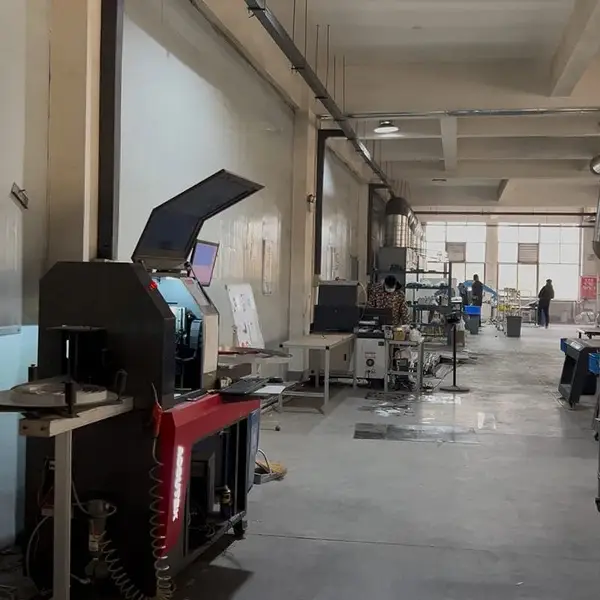
Real photo from our production floor — every sign we ship is made here.
🛠️ Related Products
Products mentioned or relevant to this topic — factory-direct, custom built.
Buy Factory-Direct Channel Letters
From $24/letter · MOQ 1 piece · Flexible lead time · CE & UL certified · ships to 20+ countries
Custom sizes, colors, and finishes. Get a factory price in 24 hours.
Get a Free Quote Copy EmailWhatsApp +86 13865703472 · business@aochuangsign.cn