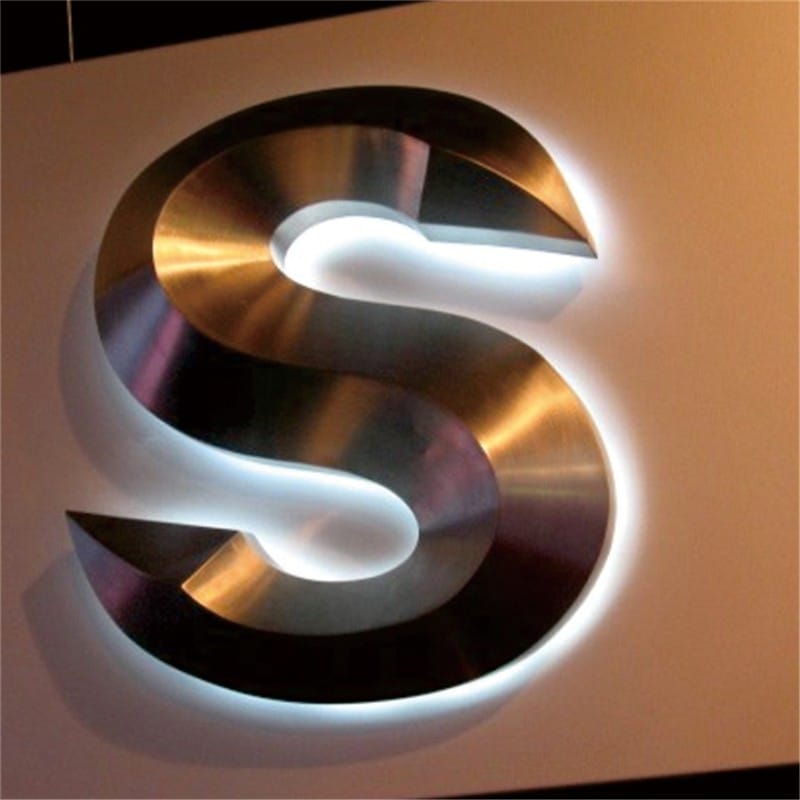
I've seen this go wrong: a Miami hotel wrapped in front-lit channel letters that filled with water after one summer storm. The owner paid a local shop $800 a letter. Eighteen months later, the LED modules were green with corrosion, and the shop blamed "bad weather." The weather didn't do it. A spec mistake did. Bad spec. Somebody picked a rating because the acronym sounded good.
That phone call's why you're reading this at 11 p.m. instead of sleeping. IP ratings aren't a marketing slogan. They're a lab test. The first digit tells you dust. The second tells you water. But the number only describes a specific set of test conditions on a brand-new unit. I've been building signs in Anhui since 2010, and I've seen every water entry point there is. So let's break this down.
IP stands for Ingress Protection. The first digit is solids: 6 means dust-tight. Zero dust enters after an 8-hour vacuum test. That's not negotiable if the digit is 6.
The second digit is liquid. 5 means low-pressure jets. 6 means powerful jets. 7 means temporary immersion. 8 means continuous immersion under conditions the manufacturer defines. That last part matters more than most people want to admit. Two signs can both say IP68, but one's rated for 1 meter for 30 minutes and another for 10 meters for 24 hours. The top of the scale isn't standardized.
Most outdoor signs only need to worry about 5, 6, and 7. A 6X rating doesn't mean waterproof. It means dust-tight. Dust and water ratings are independent. You'll see IP65, IP66, IP67, IP68. An IP67 sign is dust-tight and can handle being dunked in a meter of clean water for 30 minutes in a lab. That's it. The lab is dry. The water is clean. The sign is brand new.
Look, IP65's test isn't some lab fantasy. They spray the enclosure with 12.5 liters per minute from a 6.3mm nozzle at 30 kPa from 3 meters away. For at least 1 minute per square meter. That's a decent hosing off. It covers rain, sprinklers, and the guy with a garden hose.
It doesn't cover a pressure washer. Get a pressure washer within a foot of the face and you'll drive water past the gasket. I've seen this go wrong: a car wash ordered IP65 channel letters and then hit them with 2,000 psi every week. They lasted four months. IP65 sounds impressive. It means water jets from any direction. It doesn't mean your sign survives a Florida hurricane.
For most outdoor storefront signs, IP65 is the baseline. It handles rain from any direction, which is what a sealed letter or lightbox needs. If your sign's on a wall under an awning, you're fine. If it's exposed to Michigan winters and Florida downpours, still fine. What's not fine is the power supply. Many IP65 signs have a non-sealed driver tucked into the back. Water gets in at the cable entry, not the face. IP65 gets blamed for bad cable glands all the time.
A 3mm acrylic face cuts 92% light output. A 2mm face cuts 90%. Your customer won't notice the 2%, but they'll notice the 40% cost bump. So don't let someone upsell you on thick acrylic thinking it fixes water ingress. It doesn't.
Here's what nobody tells you: IP67 isn't a permanent underwater sign. The test dunks a sample in 1 meter of water for 30 minutes. That simulates temporary flooding. A parking lot sign standing in 6 inches of water after a storm? IP67 is overkill, but it'll survive. A sign mounted low on a wall near a drainage swale, where water can pool against the housing for an hour? That's when you start thinking IP67.
The ugly truth is most sign failures aren't from rain. They're from condensation and capillary action at the entry points. An IP67 enclosure is sealed tighter, which is good for submersion and bad for breathability. Warm days, cold nights, sealed aluminum housing—water vapor condenses inside. Then it pools. Then your SMD 2835 modules, rated for L70 ≥50,000 hours, fail in 12-18 months because the cheap drivers were never potted. That's not a rating failure. That's a design failure.
A 304 stainless steel or aluminum enclosure with an IP67 gasket and proper drainage is a different animal. It costs more. We're not talking double, but you're not paying $20 a letter anymore. You're paying for CNC-cut gasket channels, compression latches, and potting compound on every cable exit. It matters for coastal work, where stainless steel letters see salt spray and temporary flooding during king tides. 316 with 2-3% molybdenum is what you'd spec there, at a 20-30% premium over 304.
IP65: Low-pressure jet test, 12.5 L/min, 30 kPa, 3 m distance, 1 min per square meter. IP67: Immersion test, 1 m, 30 min. One is about spray. One is about sitting in water. They don't build on each other. IP67 isn't "IP65 plus more." It's a different test entirely.
A sign can pass IP67 and fail IP65 if the gasket handles immersion but not a directed jet. I've seen that on a batch of lightboxes with a face seal that leaked under spray but held under static water. So don't assume a higher number covers a lower one. Higher isn't automatically better. It's just different.
The dust test is the same for both: IP6X. Both are dust-tight, 8-hour vacuum test, zero dust ingress. That's crucial because dust kills LED drivers by clogging heat sinks. But both ratings start at 6. So the only real difference is liquid protection.
Cost side: IP65 fixtures use standard silicone gaskets and cable glands. IP67 requires compression fittings, O-ring grooves, and often a sealed driver compartment. The housing cost on an embedded lightbox can jump from $80 a square meter to $120 or more. That's a 50% bump if you're not careful. If you're ordering back-lit halo letters at $35-$120 per letter, pushing to IP67 might add $10-$15 a letter for the gasket work. It's not always worth it.
Here's what nobody tells you: condensation kills more outdoor signs than rain ever will. Understand the environment before you pick a rating. This next part is where most shops talk themselves into the wrong number.
Rain. Any sealed sign rated IP65 handles rain. If it doesn't, someone didn't seal the face or cable entry. Standard front-lit channel letters with a 2mm acrylic face and a neutral silicone seal are fine in rain. Rain isn't the enemy.
Flooding. Low-mounted signs in drainage areas, pylon signs with base boxes, or signs in parking garages that see water pooling. If water can sit against the enclosure, IP67 is the call. Don't confuse splash with flood.
Cleaning. Pressure washing is the hidden killer. Restaurant owners, car wash operators, hospital facilities managers all love a pressure washer. IP65 says "low-pressure jets" for a reason. Tell your client: no pressure washers on the sign, or move to IP66/IP67 and still keep the wand back.
Condensation. This is where IP67 backfires if you don't add a drain hole or a breather valve. A sealed IP67 cylinder in direct sun will pull a vacuum at night and suck moisture through the cable gland. Add a Gore vent or a one-way drain. I've opened too many sealed embedded lightboxes full of fog.
Coastal. Salt spray is a bigger variable than IP rating. For Miami Beach or Long Beach, 304 stainless with IP65 is worse than 316 stainless with IP65. The rating doesn't stop pitting; the alloy does. Use 316, which contains 2-3% molybdenum, or aluminum with powder coat. Then decide if flooding or pressure washing demands IP67.
Let's talk about what actually keeps water out. The IP number on the quote isn't the thing. The gasket, the cable entry, and the drain hole do the work. I've watched sign shops pay $800 for a front-lit letter from a domestic fabricator. Same 304 stainless, same Samsung LEDs. We ship that letter for $120. But cheap only works if the enclosure is engineered correctly.
An IP65 sign with a properly compressed EPDM gasket will outlast an IP67 sign with a cheap foam seal from a factory that's never seen an O-ring groove. The quickest way to spot bad workmanship is the solder joints on the LED modules. Dull gray = won't last 18 months. Shiny silver = proper lead-free solder. Same goes for gaskets: if it's uneven or silicone smeared after the face goes on, water will find it.
Thermal management is where IP67 gets expensive. IP67 seals tighter, so heat has nowhere to go. LEDs hate heat. SMD 2835 modules are rated 100-150 lm/W and L70 ≥50,000 hours, but that lifespan assumes the junction stays cool. In an IP67 sealed lightbox, drivers run hotter. You'll lose 10-20% of LED life if the enclosure doesn't have a thermal path. Aluminum housings help because aluminum is one-third the weight of steel and naturally dissipates heat. Stainless holds heat longer. So IP67 in stainless needs more surface area or lower drive current.
Cost trade-offs: a front-lit channel letter from us runs $20-$80 per letter, factory direct. A back-lit halo letter $35-$120. At those prices, the IP67 upgrade might be an extra 15-20% on the housing. But the real cost isn't the gasket. You'll eat the QC rejection rate. When you demand IP67, you'd better have a factory that does an 8-12 hour aging test and 100% QC inspection on every unit. Cheap factories will tell you "IP67 no problem" and then ship letters that leak through the cable entry. They haven't bought the compression fittings.
One more thing: UL 48 certification costs $4,000-$15,000 and takes 4-9 months. That cert covers the electrical system, not the IP rating. Don't let a factory tell you a CE mark covers IP67. CE marking costs 20,000-50,000 RMB, and most factories will say they have it. Ask to see the certificate with today's date. Watch them sweat. If you're importing to the US, Section 301 tariffs add about 30% on top of factory pricing. That's before you even pay for IP67.
Okay, let's make this simple. Answer three questions before you write IP anything on a spec sheet.
First: Will water ever pool against the sign? If no, IP65 is enough. If yes, IP67. That's it. Don't overthink it. For a standard storefront sign, front-lit channel letters or back-lit halo letters with IP65 and a proper cable entry will handle 99% of North American weather. If the sign is in a flood zone or a planter, go IP67 and add a drain hole.
Second: Who cleans it? If they use a pressure washer, specify IP66 at minimum. IP66 means powerful water jets, not just low-pressure. IP66 handles coastal wind-driven rain and deliberate hosing. It costs less than IP67 and doesn't trap as much heat. For most outdoor signs, IP66 is the sweet spot if you're scared of pressure washers.
Third: What material? If coastal, spec 316 stainless, not 304. The 20-30% premium for 316 with 2-3% molybdenum will save you replacing letters in three years. If inland, 304 or aluminum with powder coat is fine. Aluminum weighs one-third of steel and has an 8-12 year outdoor life. Choose material first, then rating.
Here's my framework: Rainfall only + no pressure washing = IP65. Rainfall + occasional pressure washing = IP66. Standing water or flood zone = IP67 with a vent/drain. Coastal + flood zone = IP67 + 316 stainless + potted power supply + annual inspection. That last one will still fog if you don't let it breathe.
"Can I just order IP68 for everything?" No. IP68 means continuous immersion under conditions the factory defines. You don't need a submarine sign. It costs more, runs hotter, and traps condensation. For a strip mall sign in Ohio, IP68 is wasted money.
"Does IP65 mean my sign is totally waterproof?" No. It means low-pressure water jets from any direction. A pressure washer or a flooded planter will still kill it. IP65 is the minimum outdoor rating, not a force field.
"Why did my IP67 sign fail?" Because nobody added a drain hole or a breather. IP67 seals tight. Tight enclosures sweat. Or because the factory used cheap foam gaskets. The rating only means the sample passed a 30-minute immersion once. It doesn't mean every unit is identical.
"Do I need IP67 for coastal signs?" Not necessarily. Salt air is an alloy problem, not a water pressure problem. IP65 with 316 stainless will outlast IP67 with 304 in a coastal parking lot. Pick the material first.
Official references relevant to the standards and terminology discussed in this article:
Requirements vary by product, installation and jurisdiction. Confirm final specifications with the responsible engineer and authority having jurisdiction.

Real photo from our production floor — every sign we ship is made here.
Products mentioned or relevant to this topic — factory-direct, custom built.
From $24/letter · MOQ 1 piece · Flexible lead time · Project-specific compliance documents · ships to 20+ countries
Custom sizes, colors, and finishes. Get a factory price in 24 hours.
Get a Free Quote Copy EmailWhatsApp +86 13865703472 · business@aochuangsign.cn