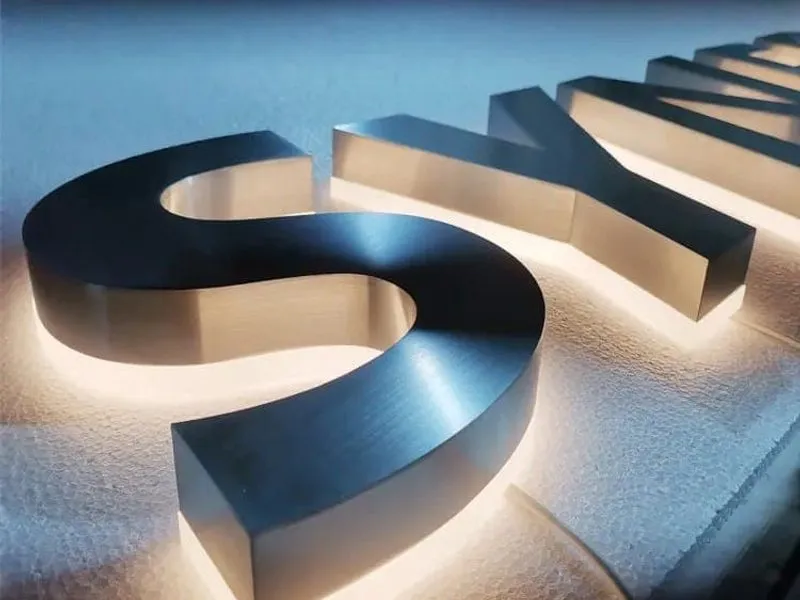
Look, I've been doing this 16 years. I've seen more water-damaged LED modules than I've seen honest promises from a sales rep. Last year, a shop called me about a channel letter that died six months after install. The owner swore it was IP65-rated. I cracked it open. Inside? A puddle of rust sitting on the power supply. They’d sealed every seam tight – no drainage holes. That's not waterproofing. That's a fishbowl.
Here's what nobody tells you: water will get into your sign. It's not a matter of if, but when. The difference between a sign that lives 10 years and one that dies in 18 months is how you handle that water once it's inside. Drainage is cheaper than perfectly sealed seams. I'll prove it.
The ugly truth is, most sign waterproofing advice comes from people who've never held a caulk gun in their life. They read a spec sheet and think IP65 means "invincible." It doesn't. Let's fix that.
I've seen this go wrong: A shop buys LEDs claiming "IP68 submersion grade" for a highway sign in Arizona. That's like wearing a diving suit to take a shower. It works, but you paid for features you'll never use.
Here's the real breakdown. IP ratings have two digits: the first is dust protection (2-6), the second is moisture (1-8). For outdoor signs, the minimum is IP65. That means dust-tight and protected against water jets from any direction. But read the fine print: "any direction" means a hose held 3 meters away, not a monsoon blowing sideways at 60 mph.
IP66 steps up to powerful jets – think pressure washer at close range. Useful for industrial signs near truck washes. IP68 means submersible – 1 meter of water for 30 minutes. That's for flood zones or maritime applications. For a strip mall sign in Ohio? IP65 is enough if you install drainage. For Miami Beach? IP66 or you're replacing letters in 3 years.
The lie I hear every week: "IP65 = waterproof forever." No. That rating is tested in a lab, at one temperature, with fresh water. Real-world conditions – UV, thermal cycling, salt spray – degrade seals fast. I've watched IP65 signs fail in 14 months because the silicone gasket shrank in the sun. The CE marking? Costs 20,000-50,000 RMB to get. Half the factories that claim it never actually paid for the cert. Ask to see their current certificate. Watch them pivot to "We're applying."
Quickest way to spot cheap LED modules: look at the solder joints. Dull gray? That's leaded solder or poor process. Won't last 18 months. Shiny silver = proper lead-free alloy. That's not waterproofing, but if your sealant leaks, those joints are your next failure point.
Now, sealants. The rookies use construction adhesive – the stuff that smells like vinegar and hardens to concrete. Don't. It shrinks, cracks, and peels off acrylic within a year. The pros use neutral-cure silicone. I specify Neutral Silicone for every outdoor sign we build at Aochuang. It doesn't off-gas acetic acid that corrodes copper traces on LED boards. It stays flexible from -40°F to 350°F. And it bonds to stainless, aluminum, and acrylic without yellowing.
Application matters more than brand. I've seen sign shops blob silicone on like cake frosting. That's a waste. You need a continuous 6mm bead inside every seam, then tool it flat to remove air pockets. Let it cure 24 hours minimum before testing. We run 8-12 hour aging tests on every sign – powered on, under heat lamps, with water spray. If it survives that, it'll survive your client's parking lot.
Brutal honesty: 90% of sealant failures come from dirty surfaces. Wipe the aluminum with isopropyl alcohol. Let it dry. Don't touch it. Your fingerprints leave oil that ruins adhesion. I've watched $500 signs die because a worker grabbed the channel letter with greasy hands.
I've watched sign shops pay $800 for a front-lit letter from a domestic fabricator. Same 304 stainless, same Samsung LEDs. We ship that letter for $120. But here's the catch: our Chinese-made letters come from a facility that's certified ISO 9001 and runs 100% QC inspection. We still drill drainage holes. Because water will find a way in through capillary action around the acrylic face.
The rule: any enclosed sign must have a weephole at the lowest point. Diameter 4-6mm. One hole for every 30cm of letter height. If the letter is 1.2m tall, drill four holes. Cover the holes with a fine mesh or drill them on the underside where they're invisible. Failure to do this means condensation collects inside, corrodes your power supply, and kills the LEDs.
What about water that comes in from the top? The channel letter's return (the side wall) should have a 2-3° downward slope toward the back. That way, any water that gets past the acrylic face runs to the back and out the drainage holes – not onto the LED strip. You'd think everyone does this. They don't. I've repaired signs with standing water inside because the return was perfectly level.
Here's the brutal truth: IP65 without drainage is a scam. A sealant bead in a wet environment will fail eventually. The water that enters during the failure has no exit. It pools. Condensation daily. That's how a $50 LED module kills a $2,000 sign.
Not all sign materials handle water the same. I'll give you the real numbers.
Stainless steel 304 – 18% chromium, 8% nickel. Density 7.93 g/cm³. For most outdoor signs, it'll last 10+ years. But go coastal – within 5 km of the ocean – and 304 gets brown spot corrosion in 3-4 years. That's chlorine attacking the chromium oxide layer. For Miami Beach or any saltwater environment, you need 316 stainless. It has 2-3% molybdenum added. Costs 20-30% more. But you won't replace letters every 3 years.
Acrylic: Mitsubishi or Degussa UV-resistant sheet gives you 5-8 years before yellowing. Domestic acrylic? 1-2 years. The cheap stuff turns yellow like a smoker's teeth, then becomes brittle and cracks – letting water inside. I specify 5mm acrylic for any sign over 2.5m width. Thinner flexes in wind, breaks seals.
Aluminum: Weight is one-third of steel. 8-12 year outdoor life. Naturally rust-proof, but its corrosion resistance comes from an oxide layer. If you scratch it, that oxide layer needs to reform. Anodized finishes help – they're electrochemical coatings. Powder coating is also good if it's applied correctly (two coats, baked at 200°C). Skip the spray-can paint.
LED modules: SMD 2835 is the industry standard – 100-150 lm/W. Quality ones use Samsung or Osram chips with L70 ≥50,000 hours. Cheap modules? 12-18 months and the potting compound cracks, letting in moisture. The potting is a urethane or epoxy that seals the electronics. Bad potting looks like yellow glue. Good potting is hard, clear, and covers every component.
Waterproofing isn't a step – it's built into every stage. At our factory in Lu'an, Anhui, we follow 10 steps. I'll tell you the critical ones.
Laser cutting (±0.1mm accuracy). That precision means the acrylic face fits tight into the channel. No gaps for silicone to compensate for. Bending and welding: we use TIG welding for stainless – it produces a clean, continuous bead. No porosity. Then grinding and polishing smooths the weld so there's no crevice for water to hide in.
Acrylic face CNC routing: we cut grooves for the LEDs and a recess for the acrylic to sit flush against the channel. That recess gets a thin layer of neutral silicone. Then the LEDs are assembled and tested. The sealing: we run a bead of neutral silicone inside the entire perimeter of the channel before mounting the acrylic. Then we clamp it for 24 hours.
The aging test: 8-12 hours powered on with water spray. If any module flickers, we reject the whole letter. QC inspection is 100% – not random sampling. Every letter gets checked for seal integrity, IP rating compliance, and electrical safety. Then export packaging: foam inside, carton, then plywood crate. LCL sea freight handles your crate 6-8 times between our dock and yours. That's why we double-crate for sea shipments. Don't let anyone tell you a single cardboard box is enough for ocean freight.
Here's what nobody tells you about CE marking. It costs 20,000-50,000 RMB (about $3,000-7,000 USD). The test takes 2-8 weeks. Most small factories never do it. They buy a fake sticker from a print shop. If you're importing, demand to see the actual certificate – with the factory's name and today's date. If they hesitate, move on.
UL 48 is the gold standard for US electrical signs. Costs $4,000-15,000 per product family, takes 4-9 months, and requires quarterly factory audits. That's why American-made signs cost so much. ETL is a cheaper alternative – 10-30% less cost, same testing standards. Many Chinese factories can get ETL for less than UL, and it's equally accepted in the US. Check with your local code inspector.
The Section 301 tariff on Chinese imports adds about 30% to the value. It hurts. But even with that, factory-direct pricing for a front-lit channel letter is $20-80. Retail installed in the US? $200-700 per letter. The discrepancy is labor, UL costs, and markup – not waterproofing.
Don't waste money on IP68 for a desert sign. Don't skip IP66 for a coastal sign. And never, ever trust a factory that says "our waterproofing is perfect, no drainage needed." They're lying. Or they don't know. Either way, your sign will leak.
Q: Can I just use silicone caulking from a hardware store?
No. You need neutral-cure
Products mentioned or relevant to this topic — factory-direct, custom built.

Real photo from our production floor — every sign we ship is made here.
From $24/letter · MOQ 1 piece · Flexible lead time · CE & UL certified · ships to 20+ countries
Custom sizes, colors, and finishes. Get a factory price in 24 hours.
Get a Free Quote Copy EmailWhatsApp +86 13865703472 · business@aochuangsign.cn
See pricing, specs, and get a free quote for the sign type you need. Built in our factory, shipped worldwide.