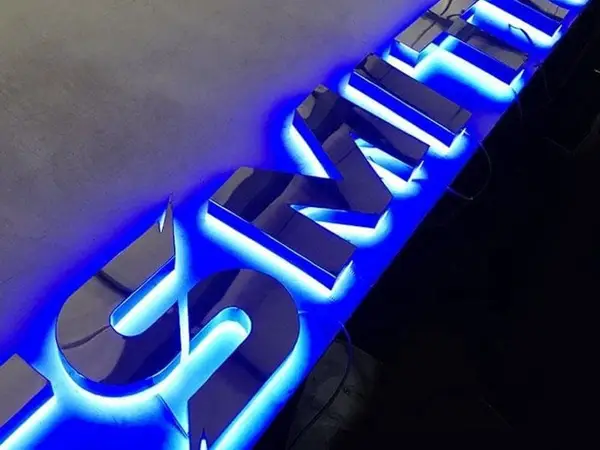
Three weeks after the install, the “B” dropped. Landed on a parked Mercedes. The client was crying. The sign company was sweating. And the entire mess came down to one rookie mistake: the installer picked direct mount without understanding what that actually means behind the wall. I’ve been on the factory floor 16 years, and I’ve seen this movie more times than I can count. Nobody talks about the ugly reality of sign mounting until something fails. Let’s fix that.
Look, I’m going to break down raceway mount, direct mount, and flush mount the way they get discussed over a beer after a 14-hour shift—no sugarcoating, just what holds up and what makes electricians want to retire early. First thing you need to understand: there’s no single right answer. The building, the budget, the local inspector with a God complex—they all pick the winner. I’ve sold signs worldwide, and the same fight breaks out over a strip mall in Ohio as it does on a beachfront hotel in Dubai.
A raceway is basically an aluminum or steel box that you mount all your channel letters to first, on the ground, in your shop. Then the whole assembly goes up on the wall as one piece. If you’re ordering front-lit channel letters for a storefront, this method is my default recommendation for 80% of jobs. Why? Because everything stays accessible. Power supplies, wiring connections, even the LED modules—all inside that metal trough, protected from rain, UV, and the kid with a pressure washer who thinks your sign is a filthy toy.
Here’s what nobody tells you: a raceway mount slashes your on-site labor by at least half. Electricians aren’t drilling 14 separate holes per letter through a 1930s brick wall, praying they miss the century-old wiring. They mount one box, make one big penetration for the feed, and go home. I’ve seen this shave $400–$600 off installation costs on a 10-foot storefront sign set. That’s real money. The downside? Raceways are about as pretty as a mud fence. If the client wants a clean architectural look, they’ll balk. But here’s a dirty secret: spray-paint the raceway the same color as the wall, and most people never notice it. You’ve suddenly got a weather-tight, serviceable installation that won’t cost a fortune when the power supply croaks in year three.
And power supplies do croak. Quality LED modules—like Samsung or Lan Jing that shiny lead-free solder—last 5+ years (our factory gives 2-year warranty on LEDs, 1 year on the supply). A cheap supply inside a direct-mounted letter that’s sealed up tight? You’re cutting open that letter on a scissor lift in February, cursing the engineer who thought hidden connections were brilliant. With a raceway, you pop off a cover plate at ground level or on a ladder, swap the driver in 10 minutes, and nobody’s crying. The ugly truth is that many sign designers have never had to service their own work. They keep speccing direct mount for “the aesthetic,” and five years later, the building owner is calling a guy like me to rip it all out.
Direct mount means each letter or logo piece gets attached individually to the wall, with wiring runs hidden inside the structure—snaked through conduit in the wall, or stuffed into a junction box behind the sign. It looks spectacular. A set of stainless steel letters direct mounted on a marble lobby wall, with no visible hardware, screams money. To pull this off, the wall needs to be designed for signage from day one. You need blocking in the wall, accessible junction boxes, and ideally, the power supply located in a dry, serviceable closet nearby—not buried inside a letter under silicone.
I’ve seen this go wrong: a client demanded direct mount on a south-facing wall in Phoenix. No raceway, no visible conduit. The installer shoved the LED drivers into the back of each letter with “waterproof” connectors. IP65 rated, sure. Three Arizona summers later, heat buildup inside those letters cooked the drivers. Every single letter had a different dimness, flicker, or just went dark. The cost to redo it was triple the original install. If you’re direct mounting in a harsh climate, the power supply belongs indoors. Period. Our factory ships front-lit letters from $20–$80 each, so the product itself isn’t the big expense—the labor to fix a bad mount is the killer.
Look, here’s another number: a typical direct mount install on a brick or concrete storefront adds 30% to 50% to your labor time versus a raceway. Each letter gets a template, multiple anchor holes, silicone sealant per stud, and then wiring that must be daisy-chained correctly and tested. If you’re using halo-lit letters where the back glow has to be perfectly even, even a 1/8-inch variance in standoff distance will show up as a hot spot. That’s a callback. And every callback kills your margin on that job. For a corporate lobby sign, it’s worth the pain. For a budget retail tenant with a 3-year lease? You’re throwing money away.
Flush mount is the thinner, more demanding cousin of direct mount. The letters sit absolutely flat against the wall with zero gap—typically using studs or high-bond tape for interior applications, or sleeved studs drilled and sealed for exterior. There’s no air gap, no visible mounting hardware if done right, and the shadow line is non-existent. It’s the go-to for indoor lobby logos and minimalist outdoor façade signs. Here’s where it gets brutal. When you mount a 3mm acrylic letter flush against a stucco wall, any unevenness in the wall looks like a mistake. The acrylic face has 92% light transmittance, but if it’s pressed against a bump, you’ll get a dark spot that’ll drive the client crazy. The wall surface has to be dead flat, or you’ll be shimming like a madman.
The ugly truth is that flush mount exterior signs have almost zero tolerance for water intrusion because there’s no air circulation behind them to dry things out. If a seal around a stud fails, moisture gets trapped and corrodes the LED solder joints within 12 months on cheap modules. I only spec flush mount for exterior if the letters are non-illuminated 304
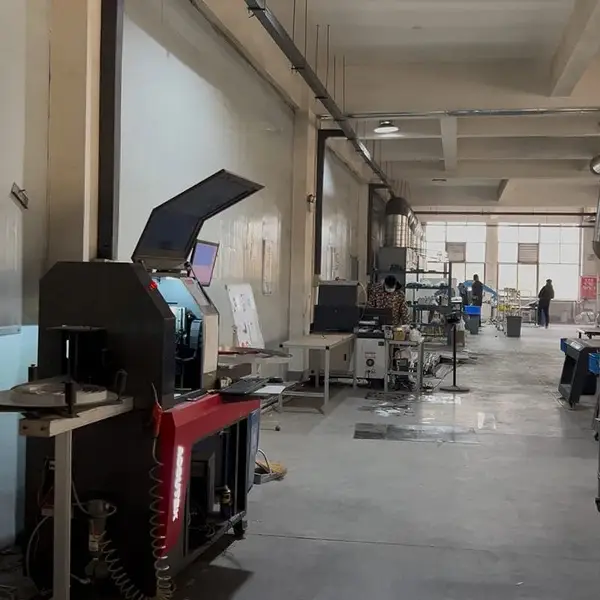
Real photo from our production floor — every sign we ship is made here.
Products mentioned or relevant to this topic — factory-direct, custom built.
Factory-direct since 2010. Free quote within 24 hours — no obligation.
Get a Free Quote → Copy EmailMOQ: 1 piece · Flexible lead time · 2-year warranty · Worldwide shipping
See pricing, specs, and get a free quote for the sign type you need. Built in our factory, shipped worldwide.