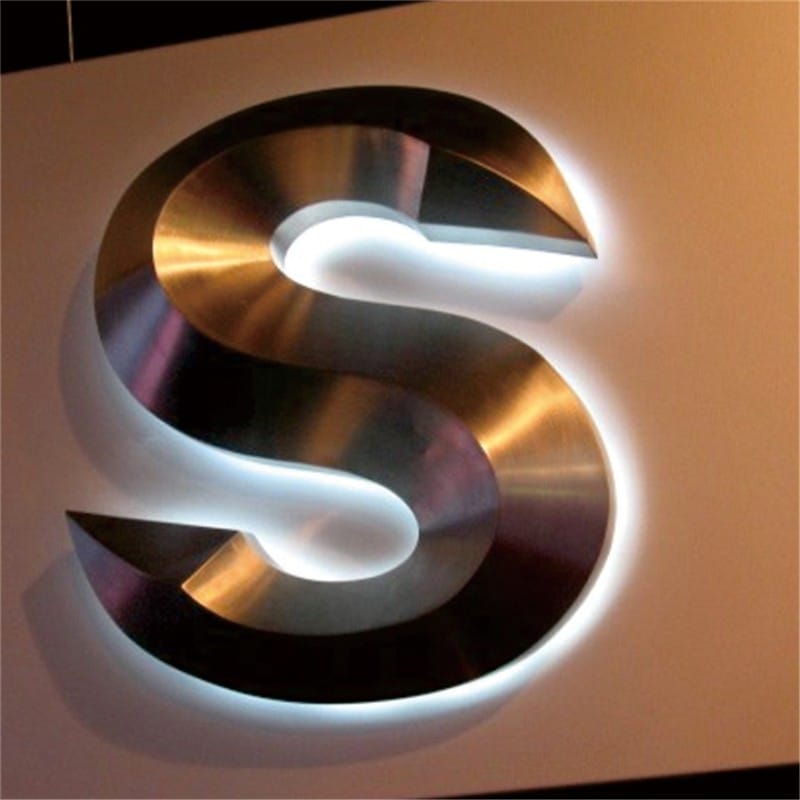
I've been on this factory floor since before LED was a thing. Twenty-seven years. Burned my hands on hot acrylic, argued with suppliers about lumen output, watched a $12,000 sign turn into a trash can in 18 months because nobody cleaned it.
Here's what nobody tells you: a sign that costs $400 a letter from a domestic shop will need $200 in maintenance the second year if you ignore it. A $120 letter direct from a Chinese supplier? Same $200 maintenance if you treat it like a lawn ornament. The difference is the factory-direct savings let you budget for real upkeep. But most sign buyers blow that savings on the next project instead of maintenance.
The ugly truth is that 80% of premature sign failures I've seen come from two things: no cleaning schedule and cheap guts. You can't fix cheap guts without replacing them. But you can fix the cleaning problem today.
I've seen a 3mm acrylic face with Mitsubishi acrylic last 8 years in direct Arizona sun—because a shop kid wiped it down every three months with the right cleaner. I've also seen a 5mm domestic acrylic face yellow in 14 months because the owner thought "it's just a sign" and never touched it.
Your SMD 2835 LEDs have a rated lifespan of L70 ≥50,000 hours. That's about 5.7 years if you run them 24/7. But "rated" means at 25°C ambient with perfect heat sinking. Inside a sealed channel letter in July in Houston? You're lucky to get 3 years from generic modules.
Quality modules using Samsung or Osman lamps? Real-world is 5+ years. I've pulled blue LEDs out of a 10-year-old sign we built in 2014 that still tested at 80% output. The difference? The owner paid for a sealed, ventilated design and cleaned the lenses annually. The neighbor with knockoff modules and zero maintenance replaced his sign twice in that decade.
Quick math: A 10-letter channel letter sign with front-lit LEDs. Factory direct cost: around $30-80 per letter. US retail installed: $200-700 per letter. If you pay $3,000 for a sign and it lasts 5 years, that's $600/year. If you spend $500 total over those 5 years on maintenance (cleaning, resealing, checking power supplies), you bump lifespan to 10 years. That's $350/year total cost. The maintenance pays for itself by year three.
I've watched sign shops pay $800 for a single front-lit letter from a domestic fabricator. Same 304 stainless, same Samsung LEDs. We ship that letter for $120. The maintenance schedule doesn't care where the letter came from. It needs the same care.
Let me save you from reading ten blog posts that all say "clean your sign monthly." Bull. For most signs in most climates, quarterly cleaning is adequate. Monthly is for signs in industrial zones with grease and dust, or coastal areas where salt spray eats everything.
Here's the schedule I've seen hold up across the world:
The mistake I see most: skipping the annual electrical check. A power supply that's running at 90% capacity is fine. Running at 110%? It'll fail in 6 months, take out a whole row of LEDs, and your sign goes dark. Replacing a $40 power supply now is better than swapping $400 worth of LED modules later.
Acrylic is not glass. You can't use Windex and paper towels. The ammonia attacks the surface, creates micro-cracks, and within a year the light transmission drops from 92% to 78%. Your customer thinks the LEDs are dying. Nope. You just ruined the face.
Use a soft microfiber cloth and a solution of dish soap and warm water. That's it. For tough grime, a 50/50 mix of isopropyl alcohol and water works. But never spray directly on the sign—spray on the cloth. You don't want liquid seeping into the LED modules behind the face.
Stainless steel needs different care. Brushed #4 finish? Clean with the grain, not against it. Use a dedicated stainless cleaner or a little mineral oil on a cloth to maintain that uniform appearance. PVD coatings (gold, bronze, black) are tougher but still scratch. Don't use abrasive pads. I've watched a janitor destroy a $500 stainless steel halo-letter set with a Scotch-Brite pad in one afternoon.
For aluminum signs with anodized finishes, you're safe with the same soap and water. But powder-coated aluminum needs gentle handling—chipped powder coat means corrosion starting underneath. Touch up any chips immediately with matching paint or the whole sign starts flaking within two years.
The ugly truth is most sign failures are cosmetic first, electrical second. A clean sign that looks bright is a sign that gets maintained. A dirty sign gets ignored. People stop noticing it, then they stop noticing when it breaks. Then the whole sign rots.
You don't need to put a lift truck in the parking lot every month. But you can do a lot from the ground with a pair of binoculars and a smartphone camera.
Look at the sign at night. Walk the parking lot at a 45-degree angle. Any hot spots? Dim sections? Flickering that wasn't there last quarter? A single bad LED module causes a dark spot in a channel letter. That spot grows as the driver fails. If you catch it early, you replace one module ($6). If you ignore it, you replace the whole string ($60) plus the power supply ($40) because the driver ran at overcurrent trying to compensate.
During the day, check for yellowing of acrylic. A 2-year-old domestic acrylic face will start showing a yellow tint on the edges. A 5-year-old Mitsubishi face might still be clear. If you see yellowing, plan a face replacement. But first check the LED color temperature: if the LEDs are 6000K cool white and the acrylic has yellowed, the light comes out greenish. You can sometimes fix perception by swapping to 2700K warm LEDs. Cheaper than replacing the face.
Check seals. Silicone that's cracked or pulling away? Water's getting in. That water might not kill the LEDs immediately—but it causes corrosion on the aluminum substrate within 6 months. Then you're replacing the entire internal assembly, not just resealing.
I've seen this go wrong: a client in Florida paid $15,000 for a set of 316 stainless steel halo-lit letters. Spec was marine grade. The installer didn't use neutral silicone. They used a silicone that off-gasses acetic acid. Six months later, the stainless had pitting. The installer claimed it was the Chinese stainless. No, it was the sealant. Check the MSDS before you seal. Neutral cure silicone only.
This is where the money lives or dies. A good repair can extend a sign's life by 5 years. A bad repair costs you more than a new sign.
Rule of thumb: if the cost of repair exceeds 50% of the replacement cost (including installation labor), throw it away and start fresh. But that's just a number. Here's the reality check:
Quickest way to spot bad LED modules: look at the solder joints. Dull gray = won't last 18 months. Shiny silver = proper lead-free solder. This isn't in any manual. It's what I've seen after pulling apart 10,000+ modules.
For neon signs? If it's 15 years old and still works, keep it. But if it needs a new transformer and a re-gas, that's $300-800. For a small neon sign, that's often more than a new LED replacement sign. But some customers won't let go of the vintage glow. Fine. Charge them properly for the repair and tell them next time it'll be scrap.
Four times a year. That's it. Unless you're within 5 miles of saltwater, then every other month. And don't use a pressure washer—that forces water into every crack and seal. A bucket, a soft cloth, and a steady hand. If you can't reach it, hire a guy with a lift truck. That's $200 a visit, not a car payment.
Probably the power supply. LEDs themselves rarely all fail at once. A bad capacitor in the driver causes the flicker. Replace the power supply first, under $50. If it still flickers, then start swapping modules. But don't just buy any power supply—check the voltage and current rating printed on the old one. 12V 6A is not the same as 12V 10A.
No. Use neutral cure silicone that's specifically rated for outdoor electronics. If you use the regular bathroom stuff that smells like vinegar, you'll corrode the metal within a year. I don't care how handy you think you are. Buy the right sealant or hire someone who will.
If you're in Miami, Galveston, or any coastal city, yes. The 20-30% premium over 304 doubles the lifespan in that environment. For a strip mall in Ohio, 304 is fine. But don
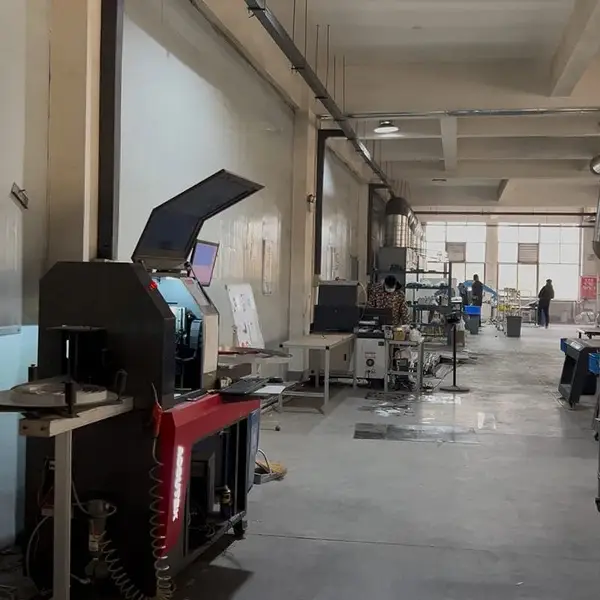
Real photo from our production floor — every sign we ship is made here.
Products mentioned or relevant to this topic — factory-direct, custom built.
From $24/letter · MOQ 1 piece · Flexible lead time · CE & UL certified · ships to 20+ countries
Custom sizes, colors, and finishes. Get a factory price in 24 hours.
Get a Free Quote Copy EmailWhatsApp +86 13865703472 · business@aochuangsign.cn
See pricing, specs, and get a free quote for the sign type you need. Built in our factory, shipped worldwide.