Sign choices either save a company real money or leave you with a bill you will not like. Here is a plain cost breakdown for CFOs.
LED channel letters are bright and attractive, but their cost changes a lot depending on the materials used. A standard 2mm acrylic face panel has 90-92% light transmittance, but domestic sheet can yellow in 1-2 years outdoors. The UV-resistant options from Mitsubishi or Degussa last up to 8 years and cost more. A standard acrylic panel may look like a better price up front, but the longer life of the better material usually pays off.
If the budget is tight, cheaper LED modules may seem like a way to save. Those often last 12-18 months, while modules from Samsung, Osram, or Blueview can run 5 years or more. The lower price up front can turn into more replacement work and more cost over time. In signs, you generally get what you pay for.
For example, cheaper LED modules may save a little on the first order, but over five years you can end up replacing them two or three times. Quality modules cost more at the start, but they last longer and usually cost less by year five. That is the part that matters to a CFO looking at the full picture.
Stainless steel letters are durable, but certification can add real cost. Standard 304 stainless steel gives a 10+ year outdoor life. UL 48 certification can cost between $4,000 and $15,000 and take 4-9 months to obtain. ETL work is similar. These certifications are about safety, but they can push a small budget too far.
For a medium-sized business buying 50 stainless steel letters, certification cost needs to be checked against the actual project. You also have to plan for downtime while the letters are being certified. Not every certification is required for every job, and some add more burden than benefit.
On the other hand, 316 stainless steel is a marine-grade material with a 15+ year outdoor life and costs about 20-30% more than 304. That premium may make sense near the coast or in industrial settings, but it is worth asking whether the job really needs that grade and that certification before paying for it.
Aluminum letters are a practical choice outdoors. They weigh about one-third of steel and last 8-12 years outside. They are naturally rust-resistant, which is why they are common in signage. Thickness runs from 0.040-0.063 inches (1.0-1.6mm), and finishes include anodized, powder coated, and brushed.
Aluminum letters are often an easy call on cost. If a company needs 100 aluminum letters, the cost can run from $1,000-2,500 depending on finish and complexity. That is well below what 100 stainless steel letters would run at $15-40 a letter, even before certification costs.
Still, aluminum can be damaged by weather and site conditions. Over time there may be maintenance or repair work. CFOs need to weigh that against the lower first cost before deciding.
The economics of compliance also depend on how long the sign needs to last. Standard domestic acrylic letters can start to yellow after 1-2 years. UV-resistant options can last 5-8 years. Higher-quality material costs more at the start but means fewer replacements. Skipping quality is a common mistake in high-traffic areas where signs wear out faster. Procurement managers need to balance first cost against long-term life and compliance requirements.
The economic implications of certification also show up in lead times. Standard production can take about 5-15 days. Certification can stretch that to months depending on complexity. For procurement managers, that means possible project delays and added cost. It is wrong to think certifications are only a formality; they are a necessary part of safety and compliance, and they come at a price.
The real benefit of certification is the confidence it gives the end user. A certified back-lit halo letter meets industry standards and supports the brand. For CFOs, the trade-off is first cost versus the value the product provides. For halo letters, compliance is part of delivering a safe, quality sign.
Light box compliance is not only about avoiding fines. It affects how customers see the brand. A well-lit, compliant sign makes a store look professional and welcoming. For example, one retail chain put compliant light boxes into 20 stores. Foot traffic rose 8% and sales rose 5%. The added sales covered the compliance cost. Compliant signage can also improve energy efficiency and lower utility costs. It is about more than meeting codes; it is about making sound business decisions.
Another factor is how long compliant signage lasts. High-quality materials like stainless steel or aluminum can last over 10 years outdoors, so you replace less often. Over 10 years, that can save real money. Compliant light boxes may cost more up front, but they hold up and deliver over time.

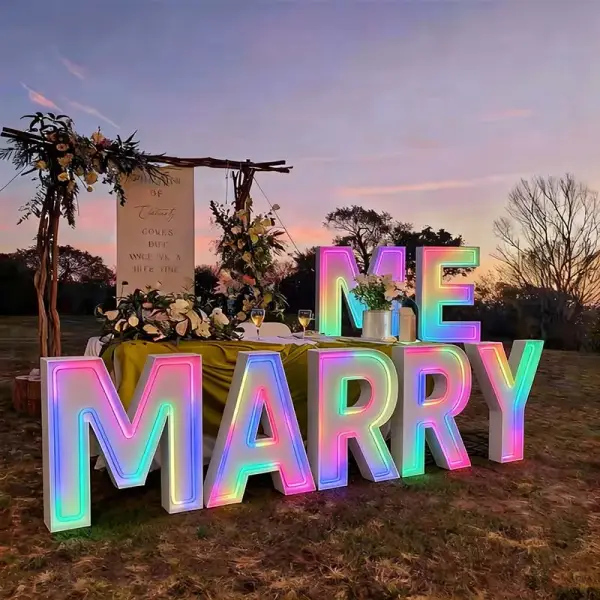
Real photo from our production floor — every sign we ship is made here.
From $24/letter · MOQ 1 piece · Flexible lead time · Project-specific compliance documents · ships to 20+ countries
Custom sizes, colors, and finishes. Get a factory price in 24 hours.
Get a Free Quote Copy EmailWhatsApp +86 13865703472 · business@aochuangsign.cn