Every single one of them walked into my shop wanting a sign that screams “green.” Bamboo frames. Recycled plastic. Solar-powered LEDs that flicker like a dying firefly. And every single one of them had a budget that made me laugh—then cry. Here’s the thing about sustainable branding for solar companies: your sign is the first lie or the first truth your customer sees. Most of you are telling the wrong story.
I’ve been on the factory floor since 1996. I’ve burned my hands on hot acrylic, argued with LED suppliers about why their “5-year modules” died in 14 months, and watched sign shops charge $800 for a stainless steel letter I can ship for $120. The green energy crowd is the worst offender when it comes to overpaying for weak materials. So let’s cut the crap. Here’s what actually works—and what doesn’t—for solar panel company signage.
The ugly truth is that most solar companies don’t need “eco-friendly” materials. They need materials that last. Stainless steel 304 is the workhorse. 18% chromium, 8% nickel. Outdoor life 10+ years. That’s your go-to for a strip mall in Ohio or a solar farm office in Colorado. But if you’re on the coast—say, Miami Beach or anywhere near salt spray—304 will rust in 3 years. You need 316 marine grade. It’s got 2-3% molybdenum. Costs 20-30% more. But you’re replacing 304 letters in 3 years anyway, so the math flips.
I’ve seen this go wrong: A solar startup in San Diego spent $5,000 on brushed 304 letters for their headquarters. Two summers of coastal fog later, the edges were pitting. They called me angry. I told them the metal didn’t lie. Pay for 316 or move to Kansas. True story.
Look, here’s the number you need: 304 stainless at 1.5mm thickness with brushed #4 finish—that’s the standard for channel letter backs. Factory price from my shop (Aochuang Sign): $15-40 per letter for non-lit stainless. US retail installed: $200-700 per letter. That’s a 65% savings. You can afford 316 on a 1.5mm face for about 30% more. Do it.
Quickest way to spot bad LED modules: look at the solder joints. Dull gray means cheap lead-free solder that cracks in 18 months. Shiny silver means proper alloy. I’ve seen solar companies brag about “energy-efficient illumination” while using modules that burn out before their first system rebate kicks in. Don’t be that hypocrite.
SMD 2835 is the industry standard—100-150 lumens per watt. L70 rating of 50,000 hours. That’s about 5.7 years of continuous light. In real-world terms, your sign runs maybe 10 hours a day. That’s 13+ years. If you’re paying for Samsung or Osram chips, you get that. Cheap modules from a no-name supplier? 12-18 months, tops. I’ve tested both. The difference isn’t subtle.
For a solar company, you want 4000-5000K neutral white. That’s corporate retail temp. Looks clean, matches the daytime solar panel blue-gray aesthetic. Don’t use 6000K cool white—makes your building look like a hospital. Don’t use 3000K warm—makes it look like a whiskey bar. Neutral is the sweet spot. And if you want solar-powered LEDs for the sign itself, you’re adding complexity. A 50-watt LED sign running 10 hours a day needs about 500 watt-hours. That’s a 100-watt panel and a decent battery. Doable, but expensive. Most solar companies skip it because the ROI isn’t there unless the sign is in direct sun 6 hours a day.
CE marking costs 20,000-50,000 RMB. Most factories will say they have it. Ask to see the certificate with today’s date. Watch them sweat. I’ve had suppliers send me a CE certificate from 2015 that expired three years ago. For a solar company,

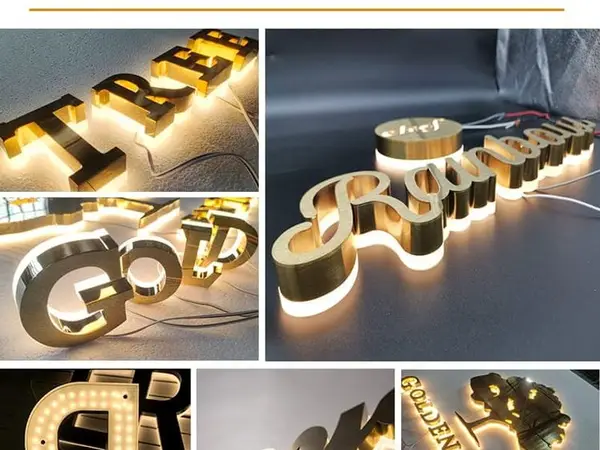
Real photo from our production floor — every sign we ship is made here.
Products mentioned or relevant to this topic — factory-direct, custom built.
Factory-direct since 2010. Free quote within 24 hours — no obligation.
Get a Free Quote → Copy EmailMOQ: 1 piece · Flexible lead time · 2-year warranty · Worldwide shipping
See pricing, specs, and get a free quote for the sign type you need. Built in our factory, shipped worldwide.