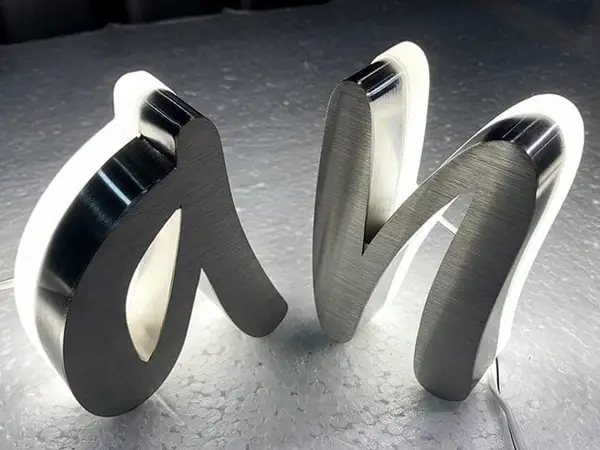
Look, I've been on the factory floor since 1997. I've watched sign shops burn through cheap LEDs and watch storefronts go dark six months after installation. The worst part? Nobody told the end user their sign wasn't listed. UL 48 isn't some bureaucratic checkbox. It's the only thing between a short circuit and a lawsuit.
The ugly truth is most sign buyers don't know the difference between a UL-listed sign and one that's just "made to look nice." But when the fire marshal walks in, or the insurance adjuster finds that melted power supply, they'll ask for the listing mark. You don't have it? Good luck getting that claim paid. I've seen a single UL 48 listing save a manufacturer $200,000 in liability. And I've seen a missing listing kill a five-year contract with a national retailer.
UL 48 is the standard for electric signs. It covers everything from channel letters to light boxes to neon flex. The test evaluates fire risk, shock hazard, and mechanical integrity. Your sign gets put through temperature rise tests, dielectric voltage withstand tests, and humidity exposure. If it passes, you get a listing. If it fails, you redesign or you don't sell.
Here's what nobody tells you: UL 48 does NOT certify that your sign will survive a hurricane, a coastal salt spray, or a parking lot basketball backboard. That's on you. The standard is about safety, not durability. I've seen IP65-rated signs corrode because the factory used 304 stainless in a saltwater environment. 316 stainless steel letters would have lasted 15 years. But the spec sheet said IP65, so the buyer thought it was bulletproof. It wasn't.
Getting UL 48 for your sign line costs real money. We're talking $4,000 to $15,000 per model. That's the upfront fee. Then you pay for quarterly audits. And you wait 4 to 9 months. For a single model. Multiply that by every sign design you produce, and you're looking at a serious investment. Most small shops can't stomach it. So they skip it.
I've watched this go wrong: A shop orders 500 front-lit channel letters from a Chinese factory. The factory says they have UL certification. The shop believes it. The sign gets installed in a Texas shopping center. Six months later, the power supply fails, melts the housing, and the tenant's insurance company sends an investigator. The factory's UL cert? It covers a different model. The sign isn't listed. The shop gets sued. The factory denies responsibility. That's not just a rookie mistake. That's career-ending.
First, decide if you really need it. If you're making custom signs for local businesses, maybe you don't. If you're supplying a national chain or a property management firm that requires listing, you have no choice. ETL is a cheaper alternative – 10 to 30% less cost, same safety testing. But some specifiers only accept UL.
The process: You submit your sign design to UL. They review the schematic, the components (LED modules, drivers, wiring), and the construction method. Then you send samples. They run the tests. Expect 4 to 9 months. Budget $4k to $15k per model. Once listed, you'll get quarterly inspections – every three months a UL field rep shows up at your factory unannounced. They check your production line matches the listed design. Change a resistor? You need a new variation listed.
I've seen smart shops batch their listing – they design a common chassis and swap face options. One UL listing covers five sign variations. That cuts the cost per model dramatically. Don't reinvent the wheel. Standardize your back-lit halo letters around one LED module brand, one wiring layout, one sealant. Get that listed. Then your custom sizes just follow the same spec.
Here's the brutal honesty: CE marking costs 20,000 to 50,000 RMB (about $3k to $7k) and takes 2 to 8 weeks. Many Chinese factories have CE. Few have UL. CE is great for Europe. It means nothing in the US. The quickest way to catch a liar: ask to see the UL certificate with today's date. Watch them sweat. A valid UL listing has a file number you can verify on UL's website. Most factories will show you a PDF that expired three years ago.
Another common lie: "Our LEDs are UL recognized." That means the component is listed, not the finished sign. It's like saying your tires are good so the whole car is safe. It doesn't work that way. The sign assembly must be listed under UL 48. The LED modules can be UL recognized, but the sign itself needs its own listing. I've ordered test samples from factories that claimed UL listing and found they were using non-listed power supplies inside the sign. That's a fire waiting to happen.
If you're importing signs from a factory that has UL 48 listing, you still need to plan for everything else. Lead time from our Lu'an facility in Anhui, China: 7 to 15 days for production. Air freight: about 10 days. Sea freight: about 65 days. LCL shipping means your crate gets handled six to eight times between our dock and your door. Every touch is a chance for damage. That's not in the brochure.
Add the US Section 301 tariff – roughly 30% on Chinese-made signs. And then your local electrician has to install it per NEC Article 600. That's not covered by the UL listing. The UL certification means the sign meets safety standards, not that your installer knows how to wire it properly. You still need a licensed electrician.
The cost savings are real though. I've watched sign shops pay $800 for a front-lit letter from a domestic fabricator. Same 304 stainless, same Samsung LEDs. We ship that letter for $120. Even with shipping and tariff, factory-direct is 50 to 65% cheaper. But only if you work with a factory that understands UL and has the certification. Ask for the UL file number. Verify it. Don't take their word for it.
Q: Can I get UL 48 certification for a single custom sign?
Technically yes, but it's not worth it. The cost and time make sense only for a product line you'll produce repeatedly. For one-off custom work, use ETL or just make sure your components are UL recognized and your electrician signs off.
Q: Does UL 48 cover outdoor weather resistance?
No. UL 48 covers fire and shock. Weather resistance is IP rating. IP65 means dust-tight and water jets. It does NOT mean your sign survives a Florida hurricane. That's your call on material choice – 316 stainless for coast, proper sealant, drain holes.
Q: How do I verify a factory's UL listing?
Go to UL's online certification directory. Enter the file number. Check the product category and the date. If the listing is "EZIV" for signs, or "QOVZ" for component LEDs, that's correct. If the factory can't give you a file number, walk away.
Q: What's the difference between UL and ETL?
ETL is 10 to 30% cheaper, faster turnaround, and uses the same safety standards. Most insurance companies accept both. Some specifiers only accept UL. Check your contract. If it says UL, don't try to sneak ETL past the fire marshal.
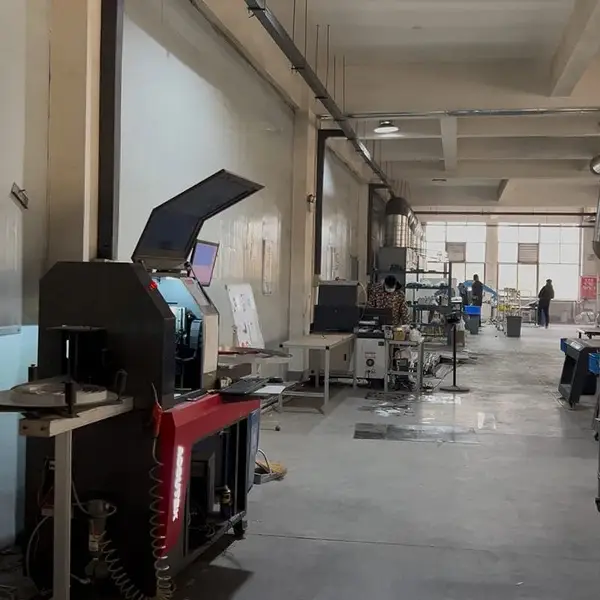
Real photo from our production floor — every sign we ship is made here.
Products mentioned or relevant to this topic — factory-direct, custom built.
Factory-direct since 2010. Free quote within 24 hours — no obligation.
Get a Free Quote → Copy EmailMOQ: 1 piece · Flexible lead time · 2-year warranty · Worldwide shipping
See pricing, specs, and get a free quote for the sign type you need. Built in our factory, shipped worldwide.