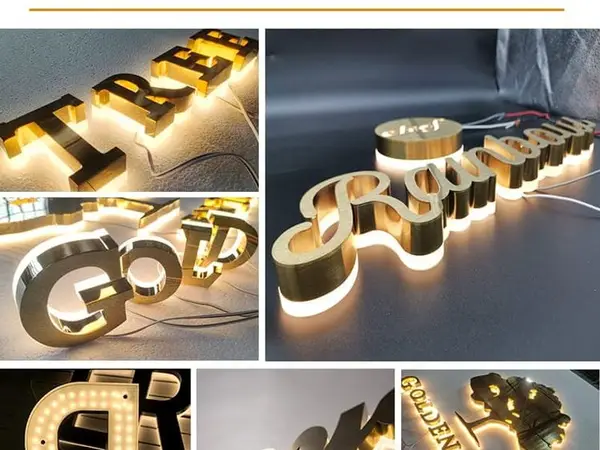
Anodizing grows a layer of aluminum oxide out of the metal itself. Powder coating sprays dry polymer onto the surface and bakes it. One becomes part of the aluminum. The other sits on top.
That's the whole battle. If you want a finish that won't peel like cheap paint, anodizing wins. If you want a dark color or an exact Pantone match, powder coat takes it.
Look, I've spent 16 years on a sign factory floor in Lu'an. We cut aluminum letters from 0.040 to 0.063-inch sheet and finish them both ways. The failure modes are not the same.
Anodizing isn't a coating. It's an electrochemical process that converts the aluminum surface into a hard aluminum oxide layer. That layer is part of the metal, not a film stuck on top.
Here's what nobody tells you: anodized aluminum doesn't flake off in sheets like powder coat can. It wears away microscopically over years. That's why aluminum with an anodized finish has an 8-12 year outdoor life when installed correctly.
The finish is naturally rust-proof because aluminum doesn't rust anyway. But anodizing adds scratch resistance and keeps the metal from oxidizing into that dull gray-white crust you see on raw aluminum after a couple of seasons.
We mostly run clear, champagne, and bronze anodized on outdoor letters. The color lives inside the oxide layer, so it doesn't look like a plastic wrap.
Powder coat is dry colored powder sprayed electrostatically, then baked in an oven. It melts into a continuous polymer shell, usually 2-4 mils thick. That thickness hides minor metal flaws. Anodizing doesn't hide anything.
The ugly truth is powder coat hides bad metal prep. A factory can sandblast and degrease poorly, then bake a beautiful matte black shell over oily aluminum. Six months later, that shell lifts at the edges and water creeps underneath.
I've seen this go wrong: a contractor ordered powder-coated aluminum letters for a restaurant patio in Phoenix. They looked perfect for a year. Then the desert sun baked the resin, the color chalked, and the edged peeled. The letters were replaced under warranty, but the labor cost him twice.
Powder coat gives you any RAL or Pantone color. Anodizing gives you maybe eight to twelve tones, and the shade shifts slightly between batches because it depends on alloy and tank chemistry.
Anodized aluminum wins on peel resistance. Period. It can't delaminate because there's no separate layer. If you're near salt spray, offshore wind, or acid rain, anodized is the safer bet.
Powder coat wins on color stability for bold colors. A bright red, a deep navy, a true black — anodizing can't reliably hit those. Powder coat can, and a quality polyester or super-durable powder will hold color for 5-8 years outdoor before chalking.
Look, aluminum itself is lightweight — one-third the weight of steel — so both finishes ride on a material that won't rust or sag. But the finish protects the appearance, not the structure. If you mount 1.0mm aluminum letters with an anodized finish, they can dent just like powder-coated ones.
For architectural signs in humid or coastal areas, I tell clients to use anodized clear or stainless steel. For retail storefronts that need a specific brand color, powder coat is the only realistic choice.
Anodized fails by fading. The color is an oxide dye, and UV breaks it down. Clear anodized goes slightly yellow after 8-10 years. Bronze darkens unevenly. Champagne loses its warmth and turns gray. It won't peel, but it won't stay showroom fresh.
Powder coat fails by chipping at edges. When the wind wobbles a letter against a wall or a pressure washer hits a corner, the polymer cracks. Water gets under, then freeze-thaw cycles lift the coating in scales.
Here's what nobody tells you: both finishes hate alkaline cleaners. If your crew sprays sodium hydroxide on powder-coated aluminum, the paint will soften. If they use acidic brick wash on anodized, the oxide layer gets etched white. Rookie mistake.
At our factory in Lu'an, aluminum letters run $10-25 per letter depending on size, thickness, and finish. Anodized is usually a small upcharge over brushed. Powder coat is similar, but custom colors add setup fees and extend lead time.
We ship from a 3,000 square meter facility with 50+ workers. Standard production takes about 5-15 days. If you need a specific powder color, we order the powder, spray test panels, and get approval. That adds 3-5 days, maybe more if you're picky about gloss level.
Anodizing is faster for us because our local anodizing partner runs large tanks. But if you order one single letter with a custom anodized color, the batch minimum can make it expensive. MOQ is one piece, but that one piece might pay for a full tank run. That's the honest truth.
Anodized finishes have a metallic depth. The aluminum grain shows through. It looks like metal, not paint. If you want a brushed texture with a satin glow, anodized clear is beautiful. It pairs well with architectural glass and stainless steel.
Powder coat looks like paint. It can be smooth, fine texture, or hammered. It hides weld seams and scratches. If you need a flat corporate blue sign can with white letters, powder coat is your only option that won't fade unevenly within a year.
The ugly truth is anodized color matching between batches is a nightmare. Even the same alloy from the same mill can shift one shade because of tank temperature or dye concentration. If you absolutely need the same gold as the logo, powder coat or paint is safer.
Anodized aluminum is easy to clean with mild soap and water. You don't need to wax it. You don't need to touch up scratches. Small abrasions blend into the oxide layer over time.
Powder coat needs care. Use pH-neutral cleaner, never solvent. If you scratch it deep, you'll see a silver line. Touch-up paint never matches exactly. And if water gets under a scratch, the coating starts lifting within months.
I've watched maintenance crews hit powder-coated letters with a pressure washer set to "strip concrete." That's not a finish failure. That's operator error. Anodized survives that kind of abuse better because there's no film to blast off.
We run both finishes on aluminum letters, light boxes, and fabricated sign frames. Our facility is ISO 9001 certified, and we hold CE and RoHS documentation. We export worldwide, including the US, Canada, Australia, and the Middle East.
We can do clear, champagne, bronze, and black anodized reliably. We can't promise Pantone-exact custom anodized colors from batch to batch without a large volume commitment. If your brand depends on a specific purple, go powder coat.
We can powder coat any RAL color. We can't guarantee a 10-year powder coat life in extreme desert sun or arctic freeze-thaw because no factory can. Our standard aluminum outdoor life is 8-12 years, and we'll tell you that before you pay.
Here's the honest factory view: anodized is cheaper for small jobs if you choose standard colors. Powder coat is more versatile for branding. Neither is universally better. The location and the color spec decide.
Use anodized aluminum when you want a metal look near salt air or in high-abrasion areas. Accept that the color will mellow and slightly shift. Plan for it.
Use powder coat when you need exact brand colors, dark tones, or a painted appearance. Budget for occasional touch-ups and don't pressure-wash it like concrete.
I've shipped both finishes to the same city block. The anodized letters still look metal after seven years. The powder-coated letters still match the company logo after five. Both made money for the sign shop because they ordered the right finish for the job.
If you're comparison shopping, ask the factory this: show me a real outdoor photo after three years, not a studio render. If they can't, keep looking. We keep photos from our own installs and from clients who send them back. That's how you know the finish will last.

Real photo from our production floor — every sign we ship is made here.
Products mentioned or relevant to this topic — factory-direct, custom built.
From $24/letter · MOQ 1 piece · Flexible lead time · CE & UL certified · ships to 20+ countries
Custom sizes, colors, and finishes. Get a factory price in 24 hours.
Get a Free Quote Copy EmailWhatsApp +86 13865703472 · business@aochuangsign.cn
See pricing, specs, and get a free quote for the sign type you need. Built in our factory, shipped worldwide.