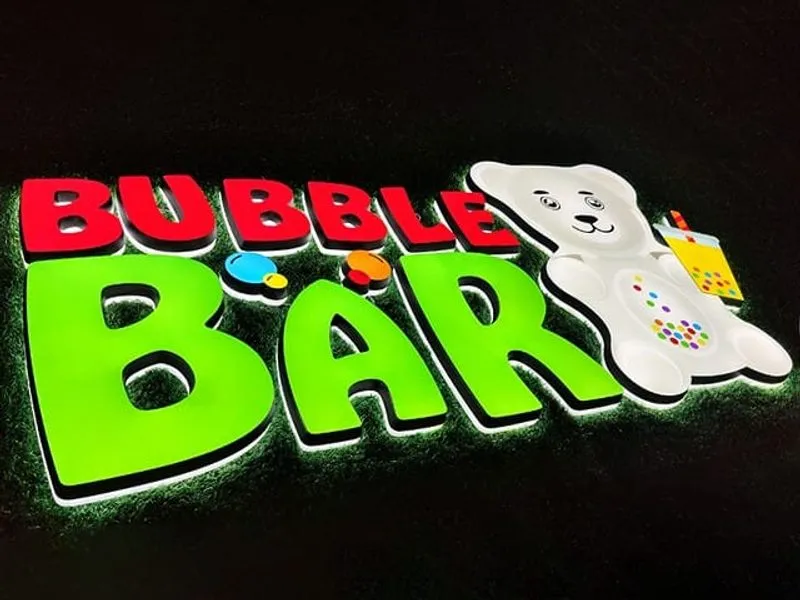
Twelve letters. Front-lit. Simple font, nothing fancy. Local fabricator quoted me $9,200 installed. I’d built the exact same sign in my factory for $1,800 in materials and labor. That’s when I realized most sign shops are just middlemen with a CNC machine and a good sales pitch.
You’re here because you want the real numbers. Not the inflated, "let me check with my production manager" numbers. Good. Let’s talk cost per letter in 2026, factory-direct versus whatever your local guy is charging, and why the difference might make you sick.
Look, a channel letter isn’t just a box with a light in it. The price per letter depends on height, material, LED type, face, mounting, and whether you want it to survive the next hailstorm or just look pretty for the grand opening.
A basic 18-inch front-lit letter from my factory in Lu’an runs $20 to $80. That’s aluminum or stainless steel returns, 2mm acrylic face, SMD 2835 LEDs with 100 lumens per watt. Your local shop will charge $200 to $700 for that same letter, installed. The math isn’t complicated.
But you’re not just buying steel and plastic. You’re buying someone’s rent, their equipment lease, their sales team’s commissions. I get it. What burns me is when they charge premium prices for budget materials and call it "architectural grade."
I’ve seen this go wrong: A client sends me a quote from a US fabricator for ten 24-inch back-lit halo letters. $12,500. I pulled up the identical spec: 304 stainless backs, clear acrylic faces with 3M translucent vinyl, Samsung 2835 modules. Factory price? $85 per letter. Ten letters, $850. Add air freight and it’s still under $3,000 total. The local shop’s markup wasn’t for craftsmanship. It was for having a nicer showroom.
Here’s a quick breakdown from my production floor. Front-lit channel letters: $20–$80 each. Back-lit halo: $35–$120. Non-lit stainless steel letters: $15–$40. Big 3D fabricated letters: $40–$120. Light boxes: $80–$250 per square meter. Those are factory prices, not Chinese-magic numbers. They reflect real labor, real materials, and a 50-person team that’s been doing this since 2010.
Here’s what nobody tells you: The price isn’t just about size. A 36-inch letter with 5mm acrylic face and 316 stainless returns for a Miami Beach hotel costs triple what a 16-inch 304 letter costs for a dentist’s office in Ohio. Material thickness jumps from 1.0mm to 3.0mm. LED density doubles. Welding goes from spot to full TIG. All that adds up and I’ll explain why.
The ugly truth is that most clients pick the cheapest option then complain when it yellows in two years. Acrylic quality alone is a minefield. We use Mitsubishi or Degussa UV-resistant acrylic with 90–92% light transmittance. It lasts 5–8 years outdoors before any visible change. Domestic Chinese acrylic? 1–2 years before it looks like a smoker’s teeth. Price difference? About 30–40% on the face material. For a 20-inch letter, that’s maybe $3 more. Your local fabricator probably won’t even mention it unless you ask.
Stainless 304 is standard. It’s got 18% chromium, 8% nickel, good for 10+ years outdoors in most places. But if you’re near salt water, 304 will pit within 3–5 years. 316, with its 2–3% molybdenum, costs 20–30% more and lasts 15+. I’ve replaced entire building signs because someone saved $400 on material and spent $4,000 three years later. Don’t be that person.
LEDs. This is where the cheap factories gut you. SMD 2835 chips at 100–150 lumens per watt are standard. Using Samsung or Osram modules, you get an L70 rating of 50,000 hours – meaning after 50,000 hours, they still output 70% brightness. That’s about 5.7 years of 24/7 operation, or 11+ years if you run them dusk-to-dawn. Cheap no-name modules? 12–18 months before they start flickering. Look at the solder joints. Dull gray joints mean lead-free solder that’ll crack. Shiny silver is proper. I’ve rejected entire shipments over dull solder.
Factory price is one number. Getting it to your door is another. Express shipping for a small box of letters: 7-10 days, $30–$100. Air freight for a medium sign: about 10 days, $4–$12 per kilogram. Ocean LCL (less than container load): about 65 days, $80–$200 per cubic meter. Full container from Shanghai to LA: $1,200–$3,000, depending on fuel surcharges. That’s actual freight data from our logistics desk, not a blog.
Here’s what nobody tells you: LCL freight means your crate gets lifted, stacked, and shifted 6–8 times between my loading dock and yours. Every touch is a chance for a forklift blade through the plywood. We crate everything with foam, double-wall cartons, and 12mm plywood, but I’ve seen signs arrive looking like they were delivered by trebuchet. Insure your shipment for full value.
Then there’s the US Section 301 tariff. Around 30% on aluminum and steel signage from China. On a $2,000 factory order, that’s $600 extra. Still, even with air freight, tariff, and a customs broker, you’re saving 50–65% off the local installed price. I’ve watched this math work worldwide now. The numbers hold.
Here’s a factory-floor moment I can’t forget. A buyer asked if we had CE certification. Of course, I said, we paid 35,000 RMB and two months for the testing. He asks for a copy. I send it. He replies, "This certificate expired three months ago." I checked. He was right. We’d renewed it but the admin hadn’t uploaded the new one. That’s how fast trust dies.
So when a factory says they’re CE or UL certified, ask for the certificate with today’s date. CE costs 20,000–50,000 RMB and takes 2–8 weeks. UL 48 is the real deal for US electrical signs, costing $4,000–$15,000 and 4–9 months with quarterly audits. ETL is a cheaper alternative, 10–30% less than UL, and acceptable by most inspectors. If a small factory claims UL listing but can’t show you the file number, walk. I’ve seen too many fake stamps on paperwork.
Outdoor signs need IP65 at minimum: dust-tight and protected against water jets. That means silicone sealing every joint and using waterproof LED modules. If you’re on the coast, go IP66. IP68 is submersible, rarely needed unless your sign is in a flood zone. And yes, I’ve put IP68 signs in a fish tank for a client demo. They worked. Don’t ask.
Here’s a mistake I see every month: Someone orders 40 letters painted a specific RAL color. They don’t approve a physical sample. Factory paints them, ships them, and the color looks different under Miami sunlight than it did on a screen. Now the client rejects the whole batch and you’re paying for air freight replacement. Always get a color chip or sample letter before production. Always.
Another mistake: ordering letters too large for the returns specification. Over 2.5 meters tall? Use 5mm acrylic minimum, maybe 8mm if it’s windy. Thin faces bow and crack. I’ve shipped 3-meter letters to Dubai with 5mm acrylic and 3mm stainless backs, bolted through the building facade. Wind load calculations aren’t optional at that scale. Local engineers can validate that for you.
And the biggest industry lie? "All 304 stainless is the same." No. The density of real 304 is 7.93 g/cm³ with 18% Cr, 8% Ni. Some factories substitute 201 or 430 stainless to shave costs. It’ll rust within a year. I’ve tested competitor samples with a magnet. 304 is slightly magnetic after cold working, 201 is strongly magnetic. A cheap mill test report is worthless unless you can verify it. Reputable factories will let you inspect or hire a third-party inspector. We’ve had clients fly to our factory in Anhui to watch the production. I respect that.
Look, local sign shops aren’t evil. They’re just expensive because of overhead. By 2026, more contractors and brands will go factory-direct for the product, then hire a local installer to mount it. That’s the sweet spot. Buy the letters at $40 each, pay an installer $500 to mount 20 letters, and suddenly your total project is $1,300 instead of $8,000. I’ve walked clients through this dozens of times. Once they do it, they never go back.
But you have to manage the process. Confirm the design. Check the materials. Approve the sample. Plan for freight. Hire a certified electrician for the wiring. Don’t skip the aging test: we run every sign for 8–12 hours to catch dead LEDs before packing. Because finding
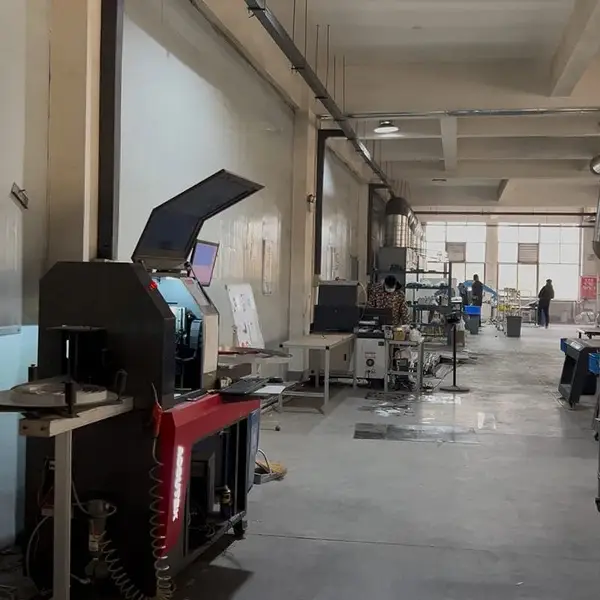
Real photo from our production floor — every sign we ship is made here.
Products mentioned or relevant to this topic — factory-direct, custom built.
Factory-direct since 2010. Free quote within 24 hours — no obligation.
Get a Free Quote → Copy EmailMOQ: 1 piece · Flexible lead time · 2-year warranty · Worldwide shipping
See pricing, specs, and get a free quote for the sign type you need. Built in our factory, shipped worldwide.