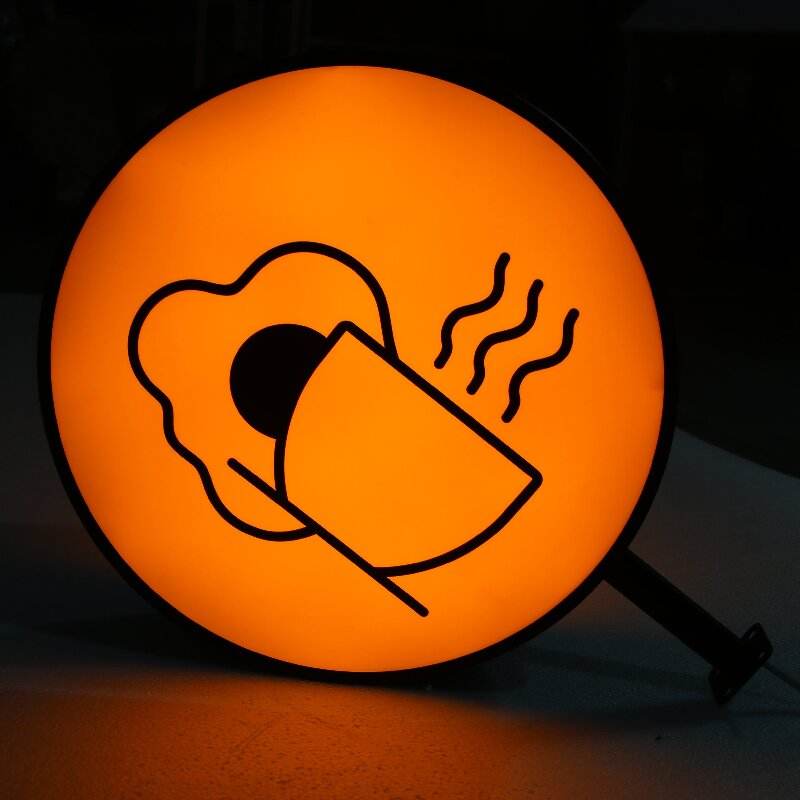
I’ve watched a $4,000 set of front-lit channel letters get trashed in 18 months because nobody wiped the bird shit off the acrylic face.
Not a wire failure. Not bad LEDs. Just heat buildup from baked-on filth that accelerated yellowing until the whole sign looked like a chain smoker’s teeth. The client called us demanding warranty replacement. I sent him the after photo and a bottle of Windex. That’s the day I learned most people think “commercial sign” means “maintenance-free.” It doesn’t.
Here’s what nobody tells you: the difference between a 3-year sign and a 12-year sign in the same parking lot is usually a quarterly cleaning and a tube of neutral silicone. That’s it. Not witchcraft. Not premium pricing. Simple, boring, scheduled attention. And if you’re a sign shop owner, contractor, or business buyer comparing quotes right now, the maintenance schedule you plan today matters more than the factory you choose. I can prove it.
I’m writing this from inside a 3,000m² factory in Lu’an, Anhui. I’ve spent 16 years on the floor, 15 at Aochuang Sign. We ship worldwide. We build everything from $15 aluminum letters to $120 back-lit halo letters that hold up on Miami Beach. But I’ll tell you straight: we can’t install a maintenance habit. We give you the hardware. The 10-year lifespan? You own that.
So here’s the schedule, the ugly truths, and the factory perspective on what actually keeps a commercial sign alive long enough for your grandchildren to get bored of it.
Every illuminated sign degrades. LED lumen output drops. Power supply capacitors dry out. Acrylic faces micro-crack under UV. Silicone seals separate from stainless returns at a rate of about 0.2mm per year in freeze-thaw climates. These are measurable physics—not defects.
The ugly truth is that “maintenance-free” is a sales pitch, not an engineering spec. I’ve seen $200,000 corporate rebrand programs where the sign specs were flawless, the fabrication was impeccable, and the whole thing looked like a banana peel after 40 months because nobody ever tightened a driver compartment screw. Water got in. Game over. UL listing doesn’t cover laziness.
Look, IP66 means the sign keeps water out when you test it in a lab with a pressurized jet at a specific angle. It does not mean an outdoor sign in Chicago, with 120-degree thermal swings and a family of wasps nesting in the raceway, stays watertight forever. Sealant hardens. Gaskets shrink. Service loops get yanked by a kid with a broom. You need eyes on the sign. Regularly.
I’m not saying build junk. I’m saying build it right, then check it. The 10-year game starts after installation, not before. And if you’re importing signs, you need to know which replacements you’ll need, when. I’ll get to that.
Not lightning strikes. Not loose truck mirrors. It’s the slow stuff.
Water ingress is number one. A hairline crack in a return seam lets in humidity that condenses on the LED board at night. You’ll see 20-40% lumen drop in six months, then full failure at 14 months. Same scenario with a different sign that got a 3-minute silicone touch-up in April? No problem for 8 years. Second killer: UV. Domestic acrylic yellows fast. Mitsubishi or Degussa acrylic gives you 5-8 years before the first visible shift. I’ve measured a 15-point CRI drop in cheap acrylic after just 18 months in Arizona sun. Third is heat. Return backs painted matte black absorb enough thermal energy to cook power supplies. A sign with no ventilation and a dark return can run 30°C hotter than ambient. That shaves 40% off driver life.
Here’s what nobody tells you: most sign failures aren’t the LED chips. They’re the connections. The butt splices, the wire nuts, the little screw terminals on a 12V driver. Corrosion there spikes resistance, voltage drops, and you get that flickering half-lit “S” that makes the whole business look bankrupt. We’ve shipped replacement LED modules for signs where the original modules tested fine—the problem was a $0.03 connector. That’s a maintenance issue, not a factory defect.
A maintenance schedule can’t save garbage. If your cheapest option uses 1-year domestic acrylic and no-name LEDs with a claimed L70 of 50,000 hours but an actual lifespan of 18 months, then your “schedule” is just a countdown to failure. I won’t sell that. Our stainless steel letters are 304 grade with a #4 brushed finish; that’s a 10+ year outdoor life if you don’t take a grinder to it. For a boardwalk restaurant in salt spray, we push 316 with molybdenum—costs 20-30% more but gets you 15+ years. That’s math, not magic.
Acrylic choice makes or breaks your cleaning routine before you even open a bucket. Our standard for front-lit and halo signs is Mitsubishi UV-resistant acrylic, 90-92% light transmittance. You can scrub that face monthly with non-abrasive cleaner and not micro-scratch the surface. Domestic sheet starts fogging under the same treatment in year two. If you’re ordering front-lit channel letters or back-lit halo letters and you plan to maintain them properly, don’t cheap out on the face. The acrylic is the part the customer looks at every single day.
LED selection? SMD 2835 is our workhorse, 100-150 lm/W. We use Lan Jing with Samsung or Osram chips. Those deliver a genuine 5+ year real-world lifespan before hitting L70. But if you put a 60W driver at 90% load in a sealed return with no ventilation, you’ve cooked it. We tell installers to undersize the driver compartment or add a weep hole with a Gore vent. That little membrane breather costs $4 and adds 3 years to the driver. Maintenance is designing in serviceability from day one.
This isn’t theoretical. It’s pulled from failure analysis on signs that died at 2, 5, and 8 years versus ones still running at 12. Write it down. Laminate it. Give it to your client with the installation manual.
You do this while drinking coffee. Literally walk to the sign. Look for: - Dead or dim LEDs (a single module out means water or a bad solder joint). - Cracks in the acrylic face or returns, especially around mounting studs. - Bird droppings, sap, or dirt baked onto the face—remove with a 50/50 mix of isopropyl alcohol and water, microfiber cloth, no paper towels. - Signs leaning or loose from wind sway. Check tapcons into brick; they wiggle loose over freeze/thaw cycles. - For rimless channel letters, inspect the silicone edge for gaps. Mark a note on your phone. Takes 10 minutes.
Open the driver box or the letter return if accessible. Kill power at the breaker first—don’t be a hero. - Measure DC voltage at the driver output terminals. Should be within 0.3V of nameplate. If you see drift (e.g., 11.2V on a 12V driver), that driver is dying and will take out LEDs with low voltage. - Torque all screw terminals. Vibrations from traffic loosen them. I’ve found connections with 2 ohms resistance from a quarter-turn loose screw. - Clean debris, spider nests, hornet mud. Install stainless mesh over any vent if you have critters. - For dual-lit channel letters with separate day/night circuits, confirm both circuits fire. - Document any burned-out modules per letter position so you can order exact spares.
This is a Saturday job. Once a year, before the worst weather season (June or November, pick one), you’re doing a full PM. - Deep clean all acrylic faces and returns with a pH-neutral soap. Rinse thoroughly. Mineral deposits left on stainless will etch if you live in hard water areas. - Check all silicone seals around face-to-return joints. If you see cracking, razor out the old and reapply neutral cure silicone. Not acetoxy—that eats mirror finishes. We use neutral on every sign we build. - Touch up any powder coat scratches on aluminum returns with matching paint pen. Bare aluminum will corrode white fuzz. - For acrylic light boxes, open the frame, vacuum out dead bugs, inspect lamp holders. If you still have fluorescent tubes in there (it’s 2025, upgrade), replace tubes and ballasts on a schedule, not when they flicker. - Inspect all gaskets, raceway covers, and conduit connections. Replace UV-baked gaskets. - Run an 8-hour burn test if possible. We do this in the factory as standard—an aging test catches infant mortality. You can replicate it: turn the sign on in your shop for a full shift, then measure voltage and temperature. Any module that dims gets replaced. - Photograph everything. This becomes your baseline for next year.
Different signs break differently. Maintenance isn’t one-size-fits-all.
Front-lit channel letters. The face is a dirt magnet. I’ve seen a chain store where the lower 6 inches of every face were yellowed because the sprinklers hit them every night. That’s minerals and UV combined—looks like someone pissed on the sign. Move the sprinkler or add a weekly rinse. For our front-lit channel letters, the return is aluminum or stainless; if you spec aluminum, an annual wipe with corrosion inhibitor at the weld joints extends life past 8 years.
Back-lit halo letters. They’re gorgeous and fragile. The LEDs cast a glow on the wall, but the return is open to the back. Spiders love that gap. I’ve pulled webs so thick they blocked 30% of the halo. Vacuum them. Also, the mounting studs carry all the weight; torque them annually to spec. For back-lit halo letters on a stucco wall, water can track along the stud into the letter; a bead of sealant on the stud hole backer plate stops that.
Stainless steel non-lit letters. These are the lowest maintenance, but they still need love. Brushed #4 finish from our factory will hold up 10+ years outdoors. But weld spots can rust if we missed a passivation step (we don’t, but it happens). If you see tiny rust dots, passivate with citric acid gel. It’s a 5-minute fix. Mirror #8 finishes show every fingerprint; if you’re in a high-touch area, wipe monthly with stainless cleaner. Our stainless steel letters cheerfully outlive the building if you just don’t ignore them.
Aluminum letters. Lightweight, won’t rust, but can corrode white in chloride environments. Powder coating protects. But if the clear coat on brushed aluminum gets scratched, corrosion creeps under. Touch it up. Our aluminum letters start at $10 FOB, but the maintenance bill over 10 years is about the same as stainless—except you don’t need to polish them.
Neon flex signs. These are PVC jacket with LEDs. UV degrades the jacket; after 3-4 years it gets brittle. If you flex it after that, it cracks and water gets in. Don’t move it. Clean with soapy water and a soft cloth; solvents dissolve the jacket. Our neon flex signs come with a 2-year LED warranty, but if the jacket is cut or cracked, that’s on you.
We give 2 years on LEDs, 1 year on power supplies. That’s standard. A 2-year warranty doesn’t mean the sign only lasts 2 years—mean time between failures for our Samsung 2835 modules at 8 hours daily in a ventilated sign is closer to 8-10 years. But warranties are for manufacturing defects: a dead chip on arrival, a driver that pops in month three, a bad solder that opens up. They are not maintenance contracts.
Here’s a brutal reality: I’ve rejected warranty claims where the sign interior had an inch of standing water and a rusted steel mounting plate. The client said, “But you said it was rated for outdoor.” Outdoor rating assumes reasonable installation and maintenance, not submersion in a clogged gutter. We’ll bend over backwards to help—we ship replacement modules under warranty by express in 7-10 days—but if I see neglect, I’ll send you a photo and a quote. That’s the deal.
If you want a sign that survives 10 years with zero attention, I can’t build it. Nobody can. But if you follow this schedule, the sign we ship will outlast your lease. Probably twice over.
From our factory in Lu’an, we can spin up replacement faces, single letters, or LED kits fast. MOQ is 1 piece. That matters when a single letter gets hit by a truck. Lead time about 5-15 days. Express shipping for small parts runs $30-100 and gets to the US in a week. We’ve saved contractors from liquidated damages by air-freighting a new acrylic face and driver kit so the grand opening sign wasn’t half-dark. Plan your annual service order early—don’t wait until the dead of winter when you discover a crack.
For sign shop owners, I recommend keeping a small inventory: a spare driver of each voltage you use, 10% extra LED modules of each type, a tube of neutral silicone, and a set of stainless hardware. Costs you $150. Saves a return trip and a pissed-off client.
Look, I’ve signed off on signs that are still glowing at year 12 with zero attention. Luck. I’ve also seen a $7,000 halo sign die at year 4 because a landscaper’s weed whacker flung a rock through the face. You can’t schedule for a rock. But the things that kill most signs—water, heat, dirt, loose screws—are all preventable with a cheap, boring maintenance habit. That’s the part the factory can’t do for you.
Our job: use 304 or 316 stainless with clean TIG welds, Mitsubishi acrylic with 90%+ transmittance, genuine Samsung LEDs with properly derated drivers, sealed with neutral silicone, aged 8-12 hours, inspected 100%, packed in foam and plywood crates. Your job: keep it clean, keep it tight, keep it dry. Split the labor, and the sign hits a decade easy.
I’ve seen this go wrong: a contractor bought $12,000 worth of channel letters from a US middleman, got exactly our build but paid triple. The installation crew used acetoxy silicone on the field-cut returns; the acetic acid etched the stainless and the letters leaked within 18 months. The contractor blamed us. I sent the neutral silicone spec sheet. Silence. Don’t be that guy. Use what the sign was designed with.
I’ve seen this go right: a casino in the Caribbean ordered stainless steel letters in 316 with PVD gold finish, back-lit. They sent their maintenance team a one-page laminated checklist based on my email. They’ve had zero failures in 9 years. Same letters. Different care.
Commercial sign maintenance is either a 10-minute monthly ritual or a $3,500 emergency replacement. Your call.
Buy smart: choose materials that forgive neglect for a few weeks. Stick to a schedule that costs less than a tank of gas. Store spare parts like you store toilet paper—you hate buying it until you need it. And when you’re pricing a sign job, don’t just quote the hardware. Quote a service plan. Your client won’t know they need it until their sign starts dying, and then they’ll blame the shop that installed it. That could be you.
We build signs at Aochuang that can last a decade. We do not build signs that last forever. If someone tells you they do, you’re talking to a liar or a fool. I’m neither. I’m just the guy who’ll tell you to wipe the bird crap off before it ruins $600 worth of acrylic. Now go check your signs.
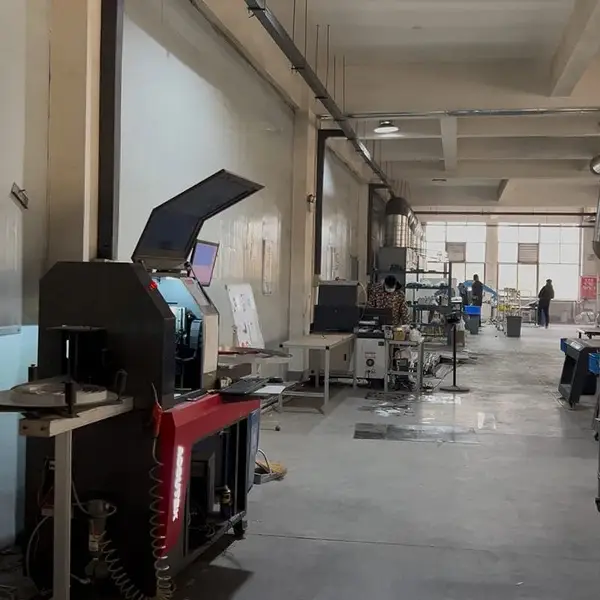
Real photo from our production floor — every sign we ship is made here.
From $24/letter · MOQ 1 piece · Flexible lead time · CE & UL certified · ships to 20+ countries
Custom sizes, colors, and finishes. Get a factory price in 24 hours.
Get a Free Quote Copy EmailWhatsApp +86 13865703472 · business@aochuangsign.cn
See pricing, specs, and get a free quote for the sign type you need. Built in our factory, shipped worldwide.