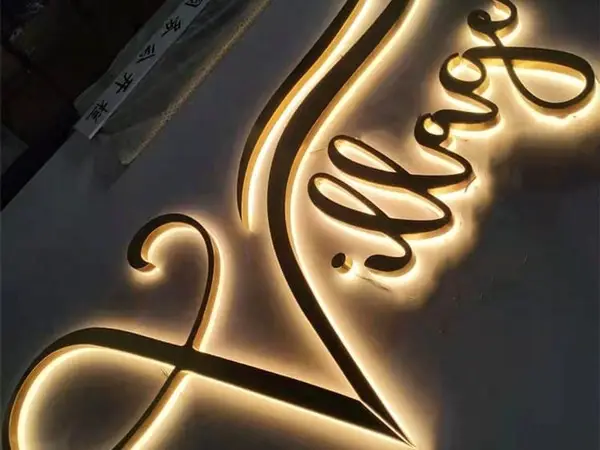
Walk into any four-star hotel lobby and the first thing you notice—before the concierge, before the chandelier—is the signage. That logo on the wall. The lettering above the check-in desk. It sets the tone. And if it's scratched, tarnished, or misaligned, guests notice that too. They just won't tell you. They'll book elsewhere next time.
Here's the hard truth from the factory floor: most metal lobby signs fail not because of bad design, but because of bad engineering. The metal is too thin. The finish isn't sealed for humidity. The mounting system can't handle a luggage cart bump. I've seen $15,000 lobby signs replaced within 18 months because the specifier chose aesthetics over durability. That's a costly callback—and a brand embarrassment.
This guide is for sign shop owners, contractors, and importers who need to deliver luxury metal signage that actually lasts. We'll cover material selection, fabrication methods, installation best practices, and the invisible engineering that separates a five-year sign from a fifteen-year one. No fluff. Just numbers, specs, and hard-won wisdom.
You can't just pick a metal because it looks expensive. In a hotel lobby, the material faces daily abuse: cleaning chemicals, humidity from the spa and pool, direct sunlight through floor-to-ceiling windows, and accidental impacts from luggage carts and vacuum cleaners. Each metal reacts differently.
Stainless Steel 304 is the workhorse. With 18% chromium and 8% nickel, it offers 10+ years of outdoor life—but indoors, it can last indefinitely if properly maintained. Common thicknesses: 1.0mm to 3.0mm. For lobby signs, I recommend at least 1.5mm (16 gauge) for rigidity. Thinner than that and you'll see flexing on large panels. Finishes range from brushed #4 (most common for luxury) to mirror #8 (for that high-end reflective look). Avoid mirror in direct sunlight—it creates glare that destroys readability.
Stainless Steel 316 is your coastal or pool-area choice. It contains 2-3% molybdenum, making it marine grade. Expect a 20-30% cost premium over 304. If your hotel is within 5 miles of saltwater, don't cheap out. I've seen 304 pit and rust within 3 years in Miami lobby signs near open doors. 316 is the fix.
Brass and Bronze are the traditional luxury metals. They patina naturally—some designers love the aged look, others hate it. The problem: in high-traffic areas, fingerprints and cleaning chemicals cause uneven tarnishing. You need a clear lacquer or PVD coating to lock the finish. Without it, expect noticeable wear within 6-12 months. A quality anti-tarnish coating adds about 15-20% to fabrication cost but saves you a refinishing call within 2 years.
Aluminum is lighter (1/3 the weight of steel) and naturally rust-proof. It's common for large lobby wall signs where weight is a concern—think 8-foot-long logos. Finished with anodizing or powder coating, it holds up 8-12 years outdoors. Indoors, it's virtually permanent. But here's the catch: aluminum lacks the "heft" of steel or brass. Luxury clients often tap a sign and judge quality by the sound. Aluminum sounds hollow. Steel sounds solid. If perception matters, go with steel.
| Metal | Indoor Lifespan | Cost per Letter (Factory) | Weight (1 sq ft, 1.5mm) | Best Use |
|---|---|---|---|---|
| Stainless 304 | 15+ years | $15-40 (non-lit) | ~1.2 kg | General luxury lobby |
| Stainless 316 | 20+ years | $20-52 (non-lit) | ~1.2 kg | Coastal / pool areas |
| Brass (with coating) | 10-15 years | $30-80 (non-lit) | ~1.3 kg | Warm-toned luxury |
| Aluminum (anodized) | 12+ years | $10-25 (non-lit) | ~0.4 kg | Large-format / backlit |
Luxury brand logos demand razor-sharp edges and consistent depth. There's no room for burrs, uneven surfaces, or blurred typography. The fabrication method you choose directly impacts both the final look and the cost.
Laser cutting is the standard for metal letter fabrication. At our facility, we use fiber lasers with ±0.1mm accuracy. For a 3mm stainless steel letter, that means the edges are clean enough to skip secondary filing—saving 1-2 days of labor. But laser cutting has a limitation: it only cuts through the material. It can't create raised or recessed detail. For that, you need engraving or etching.
CNC routing uses a rotating bit to carve into solid metal. This is how you get beveled edges, sunken backgrounds, or raised text on a single plate. The trade-off: CNC is slower than laser cutting. A 500mm x 500mm bronze plaque with deep engraving takes 4-6 hours of machine time. That adds $80-150 to the part cost. But for a lobby reception sign that needs tactile depth, it's the only way to go.
Chemical etching (also called photo etching) uses acid to eat away metal in precise patterns. It's ideal for intricate logos with fine lines—think 0.5mm wide details that a CNC bit would break. The process is highly repeatable: you can etch 50 identical plaques with zero deviation. But setup costs are high. The first plaque might cost $200; the 50th might cost $30 each. Best for large production runs of 20+ pieces.
Hand-patinas on brass or copper are where art meets fabrication. A skilled craftsman applies chemicals to create green, brown, or blue oxidation patterns. No two pieces are identical. For a luxury brand that wants a unique, aged look, this is powerful. But it's also fragile. The patina must be sealed immediately with a UV-stable lacquer. Without it, the finish changes with every cleaning. Budget $50-150 extra per square foot for hand-patinated work, and insist on a 2-year warranty against fading.
Backlit metal signs are a staple in luxury lobbies. But combining LED strips with metal creates a corrosion risk you can't ignore. Here's the physics: LEDs generate heat. Metal conducts heat. If the LED module isn't properly isolated, condensation forms inside the letter cavity. That moisture attacks the metal from the inside out. I've seen stainless steel letters rust from the inside because the installer used standard silicone instead of neutral-cure silicone.
For halo-lit (backlit) metal letters, use SMD 2835 LEDs with 100-150 lm/W. Keep the color temperature between 3000-3500K for warm hospitality environments. Avoid 6000K cool white—it makes even the best brass look cheap and clinical. The LED modules should be mounted on aluminum heat sinks, not directly against the metal letter. Leave a 5mm air gap for ventilation.
If you're combining metal with a digital display—say, a lobby directory with a 55-inch screen framed in stainless steel—you need thermal separation. Use a 10mm silicone gasket between the metal frame and the display chassis. This prevents heat transfer and stops galvanic corrosion between dissimilar metals. Failure to do this has killed $8,000 lobby displays within 2 years.
One more thing: never use copper wiring with stainless steel in a humid environment. The electrolytic reaction will corrode the wire connections within 12 months. Use tinned copper or nickel-plated connectors instead. This adds maybe $0.50 per connection but saves a full rewire later.
The most beautiful sign in the world fails if it's mounted poorly. Hotel lobby installations have unique challenges: marble or granite walls that crack under load, drywall that can't hold heavy metal letters, and cleaning crews that bump into everything.
Weight is your first concern. A 300mm-tall stainless steel letter in 2mm thickness weighs about 2.5 kg. A 10-letter hotel name weighs 25 kg. That's not trivial. You need to use threaded studs welded to the back of each letter, not adhesive. Adhesive fails over time—especially with temperature swings from lobby doors opening and closing. Weld M6 or M8 stainless studs, 4 per letter minimum. Use epoxy anchors into concrete or masonry. For drywall, you need a plywood backer board installed behind the wall surface before the sign goes up. Plan for this during construction, not after.
Alignment is where most installers fail. Luxury hotel designers measure in millimeters. A 2mm tilt on a 2-meter-long sign is obvious to the trained eye. Use laser levels and a 2-axis digital inclinometer. Mark your centerline, then measure from floor to bottom of each letter. Consistency across all letters is critical. Budget 4-6 hours for a 10-letter installation on a flat wall. Add 2 hours for curved or textured surfaces.
ADA compliance is non-negotiable for US hotel lobbies that are open to the public. Tactile signs must be mounted 48-60 inches from the floor to the baseline of the text. Characters must be Grade 2 Braille, and the surface must be non-glare. A brushed #4 stainless finish meets the non-glare requirement. Mirror #8 does not. If your design calls for mirror finish, you'll need to apply a matte anti-glare laminate over the tactile area—or redesign.
Most luxury hotel operators have no idea how to clean metal signage. They use ammonia-based glass cleaners on brushed stainless. That strips the protective oxide layer and causes staining. Within 6 months, the sign looks dull and streaky. They blame you, the fabricator. Don't let that happen.
Provide a care sheet with every installation. For stainless steel: clean with warm water and a microfiber cloth. Use a dedicated stainless steel cleaner (like Parker Super Renovator) once a month. Always wipe in the direction of the grain—never in circles. For brass or bronze: use a pH-neutral soap. Avoid any product containing ammonia, bleach, or citrus. For patinated finishes: dry dust only. No water. No chemicals. Period.
Warranty expectations: Our factory offers 2 years on LEDs (Samsung/Osram/Lan Jing modules) and 1 year on power supplies. The metal itself, if properly specified and installed, should last the life of the building. But we've seen failures from improper cleaning. That's not a warranty issue—it's a training issue. Some hotel chains now require a 30-minute cleaning demo from the installer before they accept the sign. That's smart. Offer it proactively.
A client in Shanghai came to us with a problem. Their hotel lobby had dimmable warm lighting (2700K-3500K), walnut paneling, and a stone reception desk. They wanted a 1.8-meter logo in brushed brass. But the brass they sourced locally tarnished unevenly under the downlights within 3 months.
We specified stainless steel 304 with a PVD coating in a brushed brass color. PVD (Physical Vapor Deposition) creates a ceramic-like surface that's 5x harder than lacquer. It doesn't tarnish. It doesn't yellow. And it matches the warm brass tone perfectly under any color temperature. Cost: about 25% more than solid brass with lacquer. But the sign has been installed for 3 years with zero maintenance issues. The client saved the cost of a refinishing call within 18 months.
The lesson: match the finish to the lighting, not just the brand guidelines. Test your metal sample under the actual lobby lights at 100%, 50%, and 10% brightness. If it looks different at different levels, choose a different finish.
1. What metal finish best complements a warm, modern luxury lobby with dimmable lighting?
Brushed stainless steel with a PVD coating in a warm bronze or brass tone. The PVD finish is color-stable across all dimming levels—unlike real brass, which can look greenish under low light. Test samples at 2700K and 3500K before finalizing. Our factory can provide 10cm x 10cm samples in any PVD color for $25 shipped.
2. How do I ensure the metal sign’s font and logo remain crisp after years of cleaning and exposure?
Specify a minimum metal thickness of 1.5mm for letters under 300mm tall, and 2.0mm for larger. Use laser cutting with ±0.1mm tolerance for sharp edges. For engraved details, use CNC routing with a 0.5mm or smaller bit for fine lines. Apply a clear PVD coating to protect against cleaning chemicals. Avoid lacquer—it scratches and yellows within 2 years. With these choices, the sign will look crisp for 10+ years.
3. What is the typical lead time for custom-fabricated metal lobby signs, and how can I expedite it?
Standard lead time from factories like ours is about 5-15 days from design approval. For rush orders, we can deliver in 5-7 days with a 20% surcharge. The bottleneck is usually the design approval step—have your brand guidelines and vector files (AI, EPS, CDR) ready. Avoid multiple revision cycles. One revision max. If you need faster, we can start laser cutting based on a PDF approval, then confirm final dimensions later. That saves 1-2 days.
4. Can I combine metal with backlighting or LED strips without causing corrosion or heat damage?
Yes, but with precautions. Use SMD 2835 LEDs (100-150 lm/W) mounted on aluminum heat sinks with a 5mm air gap from the metal letter. Seal the letter cavity with neutral-cure silicone—never standard acetic cure silicone, which causes corrosion. For humid environments (pool areas, coastal lobbies), use IP65-rated LED modules. Our factory offers integrated backlit metal letters with 2-year LED warranty. The system is tested for 8-12 hours before shipping to verify no moisture ingress.
5. What certifications or standards should I look for in a metal signage supplier for hotel projects?
For US projects: UL 48 certification is the gold standard but costs $4,000-15,000 and takes 4-9 months. ETL is a UL alternative at 10-30% lower cost. For international: CE certification (20,000-50,000 RMB, 2-8 weeks) and RoHS compliance are essential. IP65 rating is the minimum for outdoor or humid indoor use. For coastal hotels, demand IP66 or IP68. Also confirm the supplier has ISO 9001 for quality management. Our factory holds CE, RoHS, and ISO 9001. We can provide test reports for any project—ask for them before placing an order.
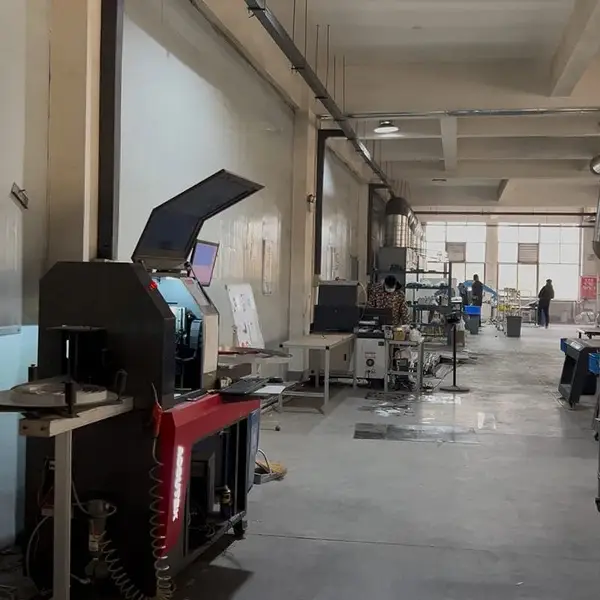
Real photo from our production floor — every sign we ship is made here.
Products mentioned or relevant to this topic — factory-direct, custom built.
Factory-direct since 2010. Free quote within 24 hours — no obligation.
Get a Free Quote → Copy EmailMOQ: 1 piece · Flexible lead time · 2-year warranty · Worldwide shipping
See pricing, specs, and get a free quote for the sign type you need. Built in our factory, shipped worldwide.