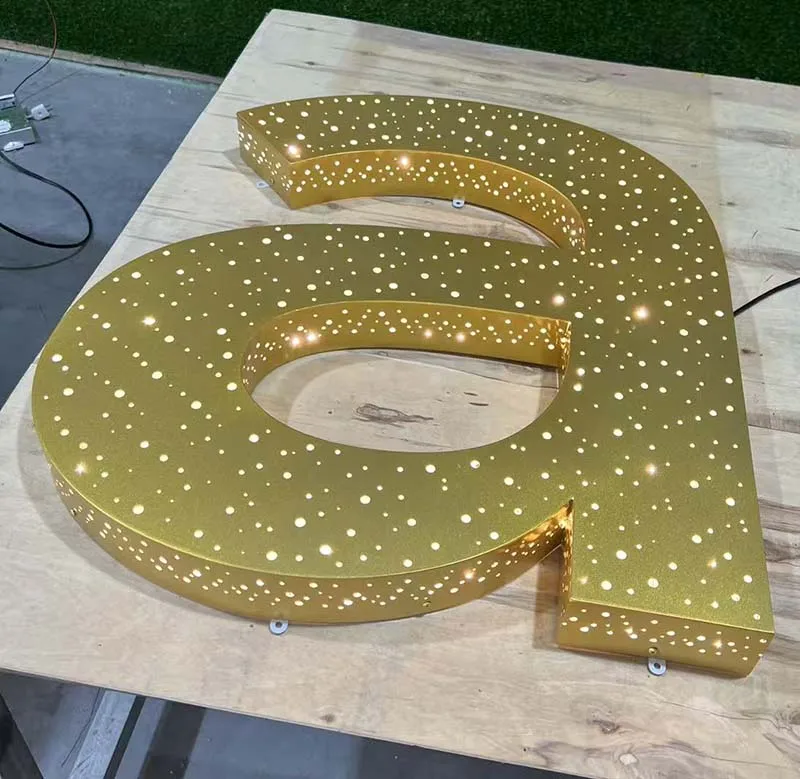
Here's what nobody tells you: hotel signage isn't a design line item. A guest sees it first at 11 p.m. after a delayed flight and a rental car counter that smelled like burnt coffee. If your sign is flickering, yellowed, or missing a letter, the guest doesn't think "operational variance." They think "this place is cutting corners." That costs you more than the sign ever will.
I've delivered a set of front-lit channel letters to a Hilton Garden Inn at 10:45 p.m. The owner stood there with his arms crossed, staring at the sign like it had insulted him. That sign was the hotel's handshake. If the handshake is limp, the marriage is over before the luggage cart rolls.
You're not buying letters. You're buying a five-to-eight-year absence of complaints.
Look, a hotel sign does three jobs: confirms you're at the right address, tells you the brand is solvent, and works when the power is on, the weather is bad, and the guest is exhausted. If it fails any of those, you have a revenue problem, not a signage problem.
People in offices write hotel brand manuals—Marriott, Hilton, IHG—and they've never sweated through a Florida August with a TIG welder. They specify finishes and dimensions that sometimes violate local fire code, ADA, or egress setbacks. You either apply for a variance, which takes weeks, or you refabricate the entire package. I've watched that happen. Never cheap.
A cheap LED module might cost $2 less at assembly. It dies in 12 to 18 months. Quality modules from Samsung, Osram, or Blueview run five-plus years real-world. The L70 rating says 50,000 hours, but that only matters if the power supply and sealing hold up. Most failures aren't the LED. They're the power supply, which we warranty for one year, not two like the LEDs.
Let me tell you about exterior hotel signs the way I'd explain it to a contractor at 7 a.m. before the coffee kicks in.
Front-lit channel letters are the workhorse. Factory price runs $20 to $80 per letter. A domestic shop will charge $200 to $700 for that same letter, installed. The face is polycarbonate or acrylic, the returns are aluminum or stainless, and the SMD 2835 LED modules push 100 to 150 lumens per watt. You get a sign that's visible at night, affordable, and doesn't need architectural drama.
If the brand wants a premium look, back-lit halo letters run $35 to $120 factory price. US retail installed? $400 to $1,000 per letter. You're paying for the halo effect and the mounting hardware. That's not a gimmick—it's genuinely gorgeous on a gray limestone facade. But don't pretend it's the same cost as front-lit.
For metal letters, 304/316 stainless steel letters are the go-to. 304 is 18% chromium, 8% nickel, 10-plus years outdoors. 316 adds 2-3% molybdenum, lasts 15-plus years in marine air, and costs 20-30% more. For a hotel in Cleveland, 304 is fine. For a hotel in Miami Beach, use 316 or start budgeting for replacement in three years.
The ugly truth is IP65 doesn't mean hurricane-proof. IP65 is dust-tight and protected against water jets from any direction. IP66 handles powerful jets—desirable for coastal hotels. IP68 is submersible, which is overkill unless your sign is mounted underwater. I've seen a hotel chain order IP65 and then watch a storm surge drown the letters. Read the spec. Don't worship the number.
A 3mm acrylic face cuts 92% light output, a 2mm face cuts 90%. Your customer won't notice the 2%, but they will notice the 40% cost bump if you overspec. For exterior color temperature, 6000-6500K is for highways and industrial parks. Hotel facades want 3000-3500K warm white—it makes the building look expensive, not like a gas station.
The ugly truth is most hotels treat wayfinding as an afterthought. Then guests roam the third floor at midnight like extras in a zombie movie, and the front desk fields calls every 15 minutes. Good wayfinding and directional systems don't just look professional—they cut labor costs and complaints.
Room identification signs have to meet ADA. That means Grade 2 Braille, non-glare finish, and mounting at 48 to 60 inches from floor to the tactile text. Inspectors carry tape measures. They will measure. Don't guess.
Interior signage materials are more forgiving than exterior, but still matter. Acrylic faces at 2mm or 3mm are common. Brushed stainless or aluminum backplates add durability. The light inside should be 3000-3500K warm white. Cool white in a hotel hallway looks like a hospital corridor. I've seen a boutique hotel install 80 polished brass door signs because the designer liked the look. Beautiful. Also completely unreadable under warm light because the glare killed contrast. ADA non-glare isn't a suggestion—it's the only way a 65-year-old guest with bifocals finds room 312.
Look, I can't tell you how many hotels call us after a failed inspection. The sign lights up, the logo is perfect, and the fire marshal red-tags it because it's not UL 48 listed or the wiring doesn't meet NEC Article 600.
UL 48 certification costs $4,000 to $15,000 and takes four to nine months, with quarterly audits. ETL is a UL alternative, 10 to 30% cheaper. CE marking costs 20,000 to 50,000 RMB and takes two to eight weeks. Here's what nobody tells you: some factories will say they have CE when they don't. Ask for the certificate with today's date. Watch them start checking their phone.
For outdoor signs, IP65 is minimum. IP66 handles powerful jets for coastal properties. IP68 is for extreme weather or submersion. If your sign is in Fort Lauderdale, IP65 is a starting point, not a finish line.
Life safety and egress signage isn't optional in hotel corridors. If the power dies, guests need to see the exit path. The fire marshal doesn't care about your brand colors. He cares about visibility.
Let me be blunt: not every hotel needs a giant LED video wall or app-controlled signs. Most don't. But digital and smart signage earns its keep in a few specific places—lobby directories, event boards, restaurant menus that change from breakfast to dinner, pool hours that change with the season.
A static menu board costs maybe $600 to reprint every time the chef changes the avocado toast. A digital board costs more upfront but you never pay for reprints. Over a 10-year operating cycle, that's real money. Same with lobby directories that list meeting rooms. Hotels change meeting names constantly. Static signs get covered in vinyl labels. Looks cheap.
Smart signage with app control makes sense for hotels with multiple locations or a corporate office that wants to push updates from a phone. If you're running a 200-room property with eight event spaces, you don't want to send a maintenance guy with a ladder every time the banquet schedule changes. You want to tap a screen. But if you're a 40-room independent motel, a static sign and a dry-erase board might be the smarter money. Don't buy technology for the sake of a demo.
Look, if you're a sign shop, contractor, or hotel buyer in the US, you know domestic quotes hurt. I've watched sign shops pay $800 for a front-lit letter from a domestic fabricator. Same 304 stainless, same Samsung LEDs. We ship that letter for $120.
Factory-direct pricing is simple. Front-lit channel letters $20 to $80 per letter. Back-lit halo $35 to $120. Stainless steel non-lit $15 to $40. Aluminum letters $10 to $25. Light boxes $80 to $250 per square meter. You save 50 to 65% on product compared to US retail installed pricing.
Production is 7 to 15 days, with a one-piece MOQ. Express shipping takes 7 to 15 days for small packages at $30 to $100. Air freight is 10 to 20 days at $4 to $12 per kilogram. Sea freight takes 50 to 70 days—LCL runs $80 to $200 per cubic meter, FCL $1,200 to $3,000. US Section 301 tariff adds about 30% on top. Still cheaper than domestic.
Nobody tells you this: LCL sea freight means your crate gets handled six to eight times between our dock and yours. Every touch is a chance for a crushed corner or a cracked acrylic face. That's not in the brochure. Insure the shipment and inspect it before you sign the delivery receipt.
Our shop runs a 10-step process: laser cutting at ±0.1mm, TIG welding, grinding, CNC acrylic face, LED assembly, neutral silicone sealing, an 8 to 12-hour aging test, 100% QC inspection, and export packaging with foam, carton, and plywood crate. We warranty LEDs for two years and power supplies for one.
If you're spending $50,000 on a hotel sign package, don't gamble on an unaudited factory. Ask for UL 48, ETL, or CE certificates. Ask to see the solder joints on LED modules. Dull gray means cheap lead-free solder that won't last 18 months. Shiny silver is what you want. I've seen too many "great deals" turn into a truckload of yellowed faces and dead power supplies.
How long do hotel LED signs actually last?
Don't confuse the L70 rating with reality. Yes, quality LEDs can hit 50,000 hours at 70% brightness. But the power supply and sealing are the weak links. Quality modules from Samsung, Osram, or Blueview run five-plus years. Cheap modules? 12 to 18 months. I've replaced more cheap power supplies than I've celebrated birthdays.
Do I need 316 stainless for a hotel near the ocean?
If you can taste salt in the air, yes. 316 has 2-3% molybdenum and lasts 15-plus years in marine environments. 304 lasts 10-plus years inland. 316 costs 20-30% more. For Ohio, skip it. For Miami Beach, don't call me in three years complaining about rust.
Can I skip UL 48 to save time?
Sure, if you like red tags. UL 48 costs $4,000 to $15,000 and takes four to nine months. ETL is 10 to 30% cheaper. If your factory says they have it, ask for the certificate with today's date. No cert, no deal. The inspector won't care about your sign's pretty face.
Why are factory-direct hotel signs 50-65% cheaper?
Because US retail installed pricing includes labor, rent, insurance, and markup. A factory front-lit letter is $20 to $80. A US shop will charge $200 to $700 to install that same letter. Add the 30% Section 301 tariff and express shipping, and you're still ahead. Unless you order sea freight and don't inspect it—then you're paying for a lesson.
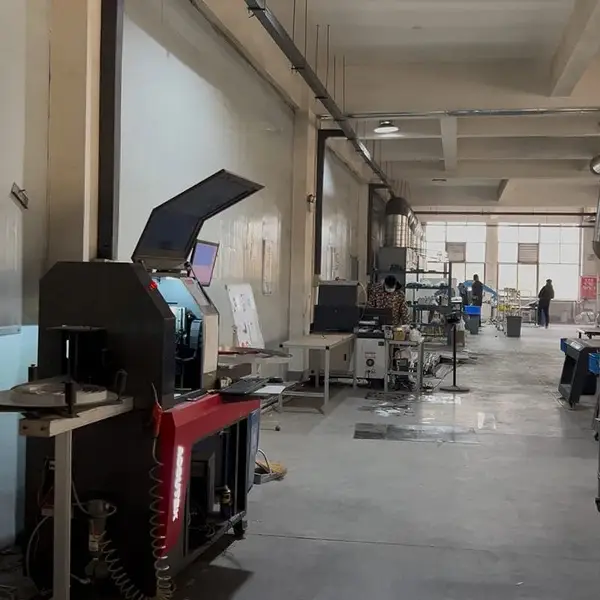
Real photo from our production floor — every sign we ship is made here.
Products mentioned or relevant to this topic — factory-direct, custom built.
From $24/letter · MOQ 1 piece · Flexible lead time · CE & UL certified · ships to 20+ countries
Custom sizes, colors, and finishes. Get a factory price in 24 hours.
Get a Free Quote Copy EmailWhatsApp +86 13865703472 · business@aochuangsign.cn