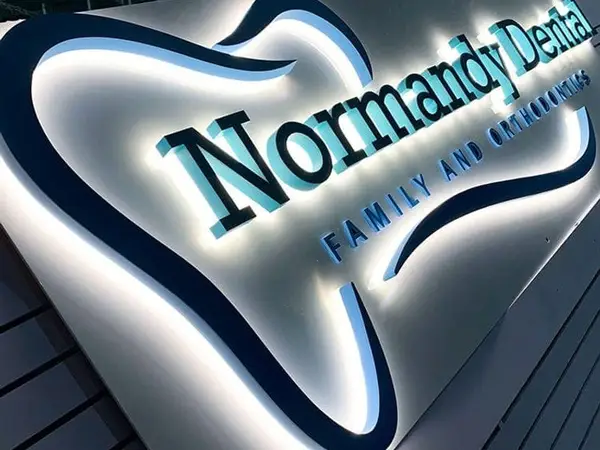
Look, I’ve been on a factory floor since Before Google. Twenty-seven years. I’ve made signs for strip malls in Ohio, hotel lobbies in Dubai, and a surf shop in Sydney that wanted a 8-foot neon gecko—don’t ask. And I can tell you, the online sign-buying world is a minefield. Every slick website promises “premium quality” and “lifetime performance,” but half the time you’re getting 1.2mm aluminum that dents if you sneeze on it, stuffed with LED modules that’ll start flickering by the second summer.
The ugly truth is most buyers don’t get ripped off because they’re stupid. They get ripped off because the industry runs on shortcuts that look identical to quality in a phone photo. So I’m going to walk you through what actually matters, using numbers and materials I know cold, so next time you’re staring at a quote you can sniff out the garbage before it lands on your dock.
I’ve seen this go wrong: a contractor ordered twenty front-lit channel letters for a bank branch. Supplier promised “304 stainless steel, waterproof LEDs, 2-year warranty.” Six months later, rust spots on the returns. He sent me a photo—the returns were 201-grade stainless, which has maybe 4% nickel, zero molybdenum, and a life expectancy in humid air of about eighteen months. The LEDs? They used solder joints that looked like cake frosting. That’s a $6,000 mistake solved only by remaking everything. He could’ve had real 304 letters, with real Samsung LEDs, for $120 a piece factory-direct. I know because I’ve shipped that exact letter.
Stainless steel isn’t one thing. 304 has 18% chromium and 8% nickel. That’s your 10-year outdoor life, even in rain and road salt. 316 adds 2-3% molybdenum, so it laughs at ocean spray for 15-plus years. The cost jump from 304 to 316 is 20-30%. For a downtown Chicago marquee, 304 is plenty. For a seafood joint 200 yards from the Gulf of Mexico, I won’t even quote you in 304—you’ll be reordering within three years, and I’m too old to pretend otherwise.
Here’s what nobody tells you: many online sellers stamp “stainless steel” on anything that a magnet won’t stick to. Then they use 0.8mm foil-thin material that deforms the moment you mount it. I use 1.5mm minimum on exterior letters. Over 36 inches tall, I’ll step up to 2.5mm or 3.0mm, because wind load is real and bent letters look unprofessional. If your quote doesn’t specify grade and thickness, walk away. If they won’t send a mill certificate, run. And for permanent exterior brands that can’t afford a do-over, 304/316 stainless steel letters with a baked-on powder coat are the standard you want, not a shiny mystery alloy.
Aluminum is a different animal. Weight is one-third of steel, it’s naturally rust-proof, and an anodized finish gives you 8 to 12 years outdoors with zero maintenance. We cut most aluminum faces from 0.063” sheet (1.6mm). I’ve seen shops quote 0.040” to shave cost, and by the time it’s routed, that face carries all the structural integrity of a soda can. Not worth it.
The quickest way to spot bad LED modules? Flip them over and look at the solder joints. Dull gray, like old chewing gum, means they used cheap tin-lead paste and a reflow oven held together with hope. Those modules won’t last 18 months before they start strobing. Shiny silver joints—proper lead-free SAC305 solder, applied by automated pick-and-place machines—that’s what you want. We use SMD 2835 LEDs from Samsung, Osram, or BlueView. They push 100–150 lumens per watt and have a real-world L70 rating of over 50,000 hours. Cheap no-name chips on identical-looking boards? You’re lucky to get 8,000 hours before your reds turn pink.
Now, about that shiny IP rating. IP65 sounds impressive. It means the enclosure is dust-tight and can handle water jets from any direction. It does NOT mean your sign survives a Florida hurricane or a power washer held six inches away. IP66 is what I spec for coastal work—powerful jets. IP68 means the thing can be submerged, which is overkill unless your sign is going underwater, but some customers demand it for extreme weather peace of mind. Ask to see the test report, not just a label. I’ve seen factories print IP66 on a sticker and slap it on a sign that leaks at the bottom seam because they didn’t seal the wire exit properly.
The ugly truth is, there’s a cottage industry of LED sellers that buy B-stock chips, rebadge them, and sell modules at half the market price. Don’t ever accept an ultra-low bid on illuminated signs unless you’re okay swapping power supplies and tracing dead circuits on a ladder two years later. A quality power supply—Mean Well or equivalent—is another $20 per sign. Cheap ones hum, burn out, and take entire LED strings with them when they fail.
Here’s how the CE conversation goes. You: “Do you have CE certification?” Factory: “Yes, yes, all our products CE certified.” You: “Can you send me the certificate with today’s paper in the photo?” Silence. CE testing for signage costs 20,000 to 50,000 RMB (roughly $2,800 – $7,000), and it takes weeks in an accredited lab. A real factory has the paperwork, an EMC test report, and an LVD report specific to their construction. If they wave a piece of paper with a logo on it but no certificate number or scope, it’s a forgery. I keep our CE, RoHS, and ISO 9001 files in a shared folder, date-stamped. Any serious buyer gets them before they send a dime.
For the U.S., the expensive word is UL. UL 48 compliance on electric signs can cost $4,000 to $15,000, takes 4-9 months of testing with quarterly factory audits afterward. If a Chinese factory claims they’re UL-listed but can’t show a file number with their exact company name and a current report, they’re lying to you. ETL is an alternative, accepted by inspectors and typically 10-
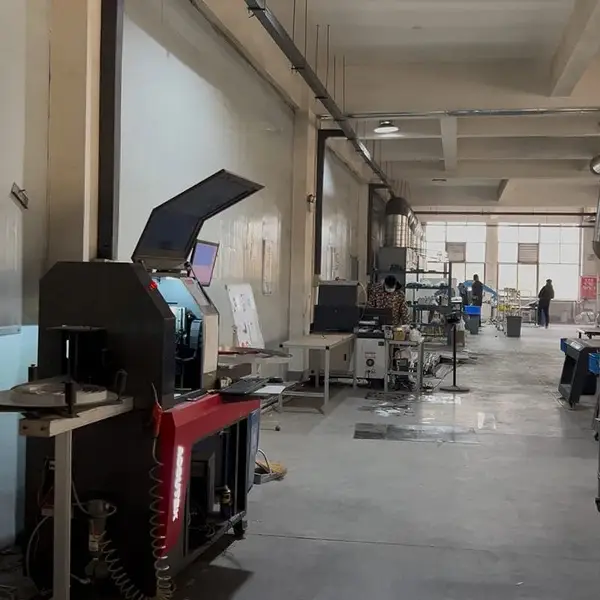
Real photo from our production floor — every sign we ship is made here.
Products mentioned or relevant to this topic — factory-direct, custom built.
From $24/letter · MOQ 1 piece · Flexible lead time · CE & UL certified · ships to 20+ countries
Custom sizes, colors, and finishes. Get a factory price in 24 hours.
Get a Free Quote Copy EmailWhatsApp +86 13865703472 · business@aochuangsign.cn
See pricing, specs, and get a free quote for the sign type you need. Built in our factory, shipped worldwide.