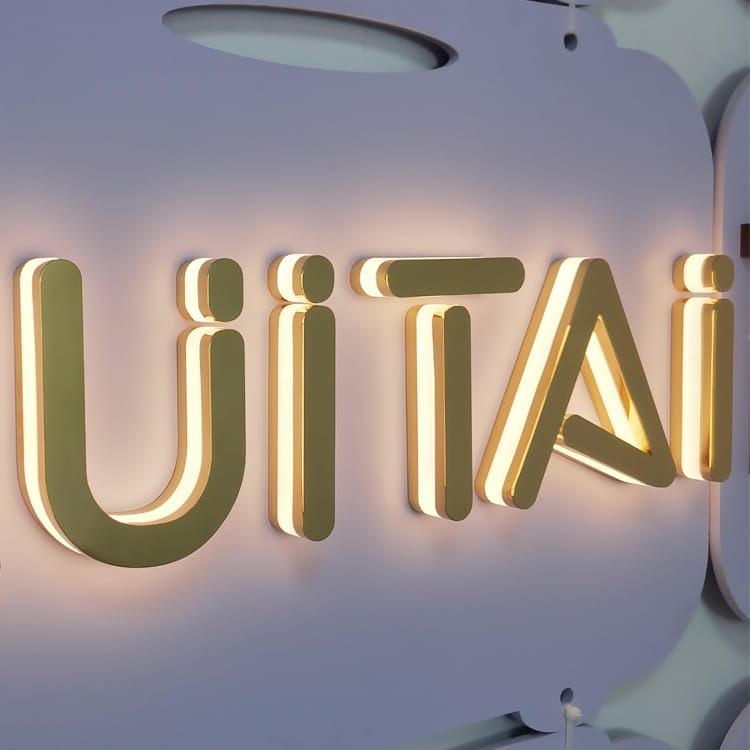
Look, I've been bending metal and wiring LEDs since 1997. Twenty-seven years on the factory floor, and I still get calls from guys who thought they scored a deal on Alibaba only to get a crate of garbage. The ugly truth is: most websites selling custom signs are middlemen who've never held a welder. They mark up a front-lit channel letter by 200%, drop-ship it from some random shop, and pocket the difference when your sign fails in 18 months. I'm here to cut through that noise.
I've watched sign shops pay $800 for a single front-lit letter from a domestic fabricator. Same 304 stainless steel, same Samsung LEDs. Out of our facility in Lu'an, Anhui, we ship that same letter for $120. And we're not special — that's just what factory-direct pricing looks like when you strip out the broker. But here's the catch: you have to know what you're looking at. Otherwise, "factory-direct" is just another line of BS.
This guide isn't marketing fluff. It's the stuff I wish every buyer knew before they wire a dollar overseas.
You see "CE Certified" on a product page and think you're covered. I see a 20,000-50,000 RMB piece of paper that any Chinese factory can get in 2-8 weeks — if they bother to apply. Most don't. They slap a CE sticker on the box and call it a day. Quickest way to spot the liars: ask to see the certificate with a date within the last year. Watch them stutter.
UL 48 certification costs $4,000-15,000 and takes 4-9 months with quarterly audits. That's real money and real time. Any factory claiming UL-certified letters for under $50 a pop? They're either lying or they got certified for one specific letter design and the rest aren't covered. ETL is a cheaper alternative — 10-30% less — but it's still legit. Don't let them hand you a photocopy of a certificate from 2018.
IP ratings are another joke. IP65 sounds impressive — water jets from any direction. It does NOT mean your sign survives a Florida hurricane or coastal salt spray. That takes IP68 with proper sealing and marine-grade gaskets. I've seen $10,000 worth of halo-lit letters short out in six months because the buyer trusted a cheap IP65 claim. For real outdoor work, you want acrylic LED letters built to IP66 minimum with neutral silicone seals — and verify that the factory actually tests them, not just prints it on the box.
The bottom line: certifications matter, but only if they're real. Demand current documents. If they hesitate, walk.
You order stainless steel letters in 316 grade for a beachfront hotel. Factory quotes a killer price. You get crates of 304 instead. Difference? 316 has 2-3% molybdenum — resists salt corrosion. 304 has 8% nickel, 18% chromium — fine for most places, but in Miami Beach it'll show rust bleeding within 3 years. The cost premium for 316 is only 20-30% over 304. But if the factory quotes you at the 304 price, they're cutting corners. Buy a cheap magnet tester or a handheld alloy analyzer. Or better yet, demand a material mill certificate with shipment.
Acrylic is another game. Mitsubishi or Degussa acrylic has 90-92% light transmittance and UV resistance that holds up 5-8 years outdoors. Domestic Chinese acrylic? Same transmittance numbers on paper, but it yellows in 1-2 years. Difference is the UV stabilizer package. If the price for a full-body glow letter seems too good to be true, they're likely using domestic sheet. Ask for the brand name. If they dodge, assume it's cheap stuff.
LEDs are where most rookies bleed money. SMD 2835 modules from Samsung or Osram will run L70 rated — meaning 70% light output after 50,000 hours. Real lifespan: 5+ years. Cheap modules from no-name brands die in 12-18 months. You can spot them by the solder joints: dull gray means lead-free cheap solder that'll crack in a year. Shiny silver? Proper flux and alloy. I've opened hundreds of failed signs — the $0.30 savings on an LED module cost the shop $200 in rework labor.
Shipping is where middlemen love to hide margin. Express small packages (7-10 days, $30-100) is fine for a single letter. But a full storefront sign set? You're looking at air freight at $4-12 per kg for about 10 days, or sea freight at $80-200 per cubic meter LCL — but that takes about 65 days and your crate gets handled 6-8 times between our dock and yours. Every touch is a chance for damage. That's not in the brochure.
Then there's the US Section 301 tariff: roughly 30% on signs from China. If a supplier gives you a quote without factoring that in, they're either amateur or they're planning to hit you with a surprise invoice at customs. A reputable factory will itemize: product cost + tariff code + estimated duties. Ask for it in writing.
LCL sea freight is a gamble. You share a container with other cargo — pallets of toys, boxes of electronics, whatever. A forklift driver in Long Beach doesn't care about your mirror-polished stainless steel letters. I've seen crates show up with corners punched in, acrylic faces cracked, LEDs ripped off their tracks. Insurance covers the replacement cost but not your lost time. If you're ordering more than 10 square meters of signs, pay for a full container (FCL: $1,200-3,000) or at least specify individual crating with foam + plywood. We do that standard — foam, carton, then plywood crate — but many shippers don't.
For 13 years I've worked at Aochuang Sign — 3,000 square meters, 50+ skilled workers, exporting worldwide. We make front-lit channel letters, halo-lit, rimless, domed, dual-lit, you name it. But I'm not here to pitch — I'm here to tell you how to vet any factory, including mine. First: ask for photos of the actual production line, not the showroom. Second: request a sample before the full order. Third: verify lead times in writing. We quote about 5-15 days start to finish, and we stick to it. If a factory says "4-5 weeks" for a simple set of ten letters, they're probably not doing the work themselves.
Brutal honesty: factory-direct savings run 50-65% on product cost compared to US retail installed. That's real. But it only works if you do the homework. I've seen too many operators buy on price alone and end up with acrylic LED letters that can't hold a seal, LEDs that flicker, frames that rust. The difference between a good factory and a bad one isn't the machine — it's the quality control. We run an 8-12 hour aging test on every LED assembly, 100% QC on every finished sign. That's not common. Ask any supplier: "Do you really test every single letter before packing?" If they say no, run.
1. Why is this Chinese sign so much cheaper than my local guy?
Because your local guy is paying rent, labor, and regulatory costs that we don't have here in Anhui. And he's probably buying from us anyway. Factory-direct cuts out the middleman. But cheap doesn't mean good — you need to verify materials and certifications.
2. What warranty should I expect?
We give 2 years on LEDs, 1 year on power supply. Realistically, a quality Samsung module lasts 5+ years, but I'm not betting the farm on shipping damage or electrical surges on your end. Any factory offering a 5-year warranty on a $30 letter is lying. There's no margin for that.
3. Can I trust a Chinese factory with my brand?
If they've got CE, RoHS, ISO 9001 — and can show you current certificates — yes. Many of us are legitimate. But check their export record. We've shipped worldwide. That tells you something. A factory that only sells domestically? They don't understand international packaging, customs paperwork, or voltage differences.
4. What's the biggest mistake people make?
Thinking IP65 means waterproof. It doesn't. And ordering
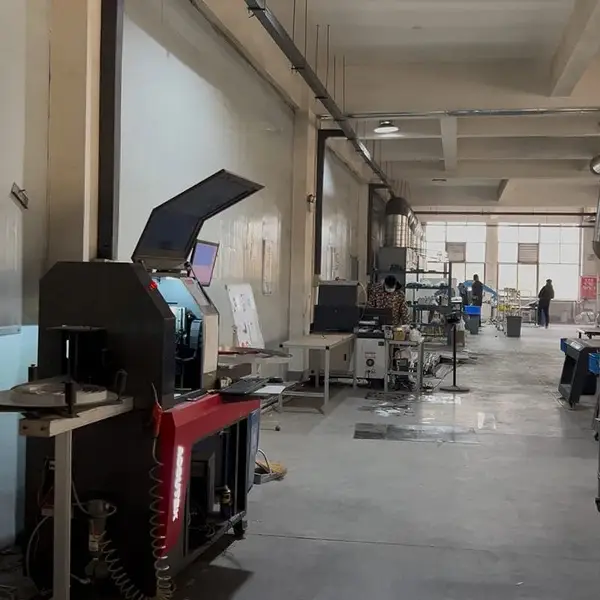
Real photo from our production floor — every sign we ship is made here.
Products mentioned or relevant to this topic — factory-direct, custom built.
From $24/letter · MOQ 1 piece · Flexible lead time · CE & UL certified · ships to 20+ countries
Custom sizes, colors, and finishes. Get a factory price in 24 hours.
Get a Free Quote Copy EmailWhatsApp +86 13865703472 · business@aochuangsign.cn
See pricing, specs, and get a free quote for the sign type you need. Built in our factory, shipped worldwide.