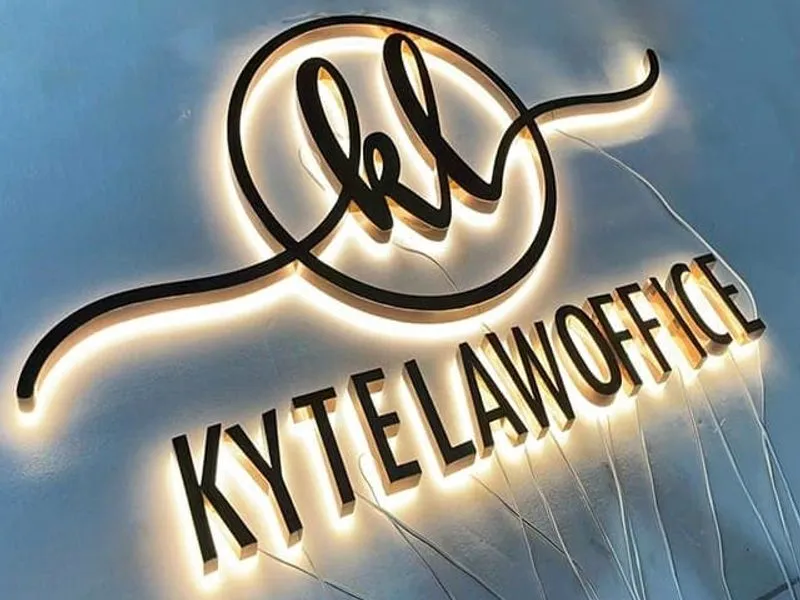
Choosing sign materials is not only about appearance. It comes down to how long the sign lasts, what it costs to run and maintain, and the environment where it will be used. Here is a practical comparison of the materials we work with most.
Acrylic vs. Stainless Steel: Cost-Effective vs. Longevity Battle
Acrylic is often chosen because it is affordable and easy to work with. Light transmittance runs about 90-92%, which is fine for indoor signs and light boxes. But it will not last as long as stainless steel. Acrylic may start to yellow after 1-2 years indoors. Stainless steel generally lasts 10 years or more outdoors. The 304 grade, with 18% chromium and 8% nickel, is a solid standard choice for most outdoor signs. The 316 grade adds molybdenum and holds up better in coastal or industrial environments, but it costs about 20-30% more. The real difference shows up in long-term maintenance and replacement. Acrylic signs often need touch-ups, while
stainless steel signs need very little upkeep.
Aluminum Letters: Lightweight Elegance vs. Weather Resistance
Aluminum letters weigh about one-third of steel. They have a clean finish that works with most storefronts, and they can last 8-12 years outdoors. Aluminum does not rust, so it works in most climates. Anodized, powder coated, or brushed finishes are all common. Aluminum will not shine like stainless steel, but it is usually less expensive and still durable. It is also easy to cut into custom shapes, which helps when the sign has to match a specific logo or layout.
Neon vs. LED: Classic Glow vs. Modern Efficiency
Neon signs have a warm glow that many clients still like. Traditional neon usually lasts 12-18 months and uses more power. LED signs can give a similar look, last about 50,000 hours, and draw less electricity. Good LED modules from Samsung, Osram, and Blueview can run more than five years. For most businesses, LED is the more practical choice over time.
Backlit Halo Letters: Illumination Power vs. Maintenance
Backlit halo letters run about $35 to $120 per letter. The LED modules are usually 100-150 lm/W, but the cheaper ones often only last 12-18 months. These signs are not as low-maintenance as some people assume. They need a steady power source, periodic cleaning, and proper heat management. If they are not installed correctly, they can overheat and shorten the LED life. Outdoor use is fine only when the letters are sealed and specified for weather. Check the actual warranty terms for the LED modules and power supply before ordering.
3D Letters: Creative Impact vs. Material Durability
3D letters get attention because they have depth and dimension. They are usually made from stainless steel, aluminum, or acrylic. Stainless steel is strong and long-lasting, but it can rust if the finish is damaged or the grade is not right. Aluminum is lighter, does not rust, but can scratch. Acrylic can crack and discolor over time. Finishes help, but they do not fix every durability issue. Aluminum letters can last 8-12 years outdoors. Stainless steel can last more than 10 years. Acrylic usually holds up 1-2 years before yellowing. Because 3D letters are often custom-fabricated, they cost more than standard flat-cut letters, especially for larger elevations.
Metal Letters: Strength vs. Aesthetic Appeal
Metal letters made from stainless steel or aluminum hold up well outdoors. Stainless steel often lasts more than 10 years outdoors because of its 18% chromium and 8% nickel content. Aluminum weighs about one-third as much as steel and does not rust. Both are practical choices for exterior signs. For finishes, stainless steel can be brushed #4, mirror #8, PVD coated, or powder coated. Aluminum can be anodized, powder coated, or brushed. The finish should match the building and the look you need. Metal letters are common for businesses that want a sign to last.
Frequently Asked Questions
What's the difference between stainless steel 304 and 316?
Stainless steel 304 usually lasts more than 10 years outdoors. 316 adds 2-3% molybdenum, which helps it resist corrosion in coastal or industrial environments, and it typically lasts 15 years or more. That extra corrosion resistance costs more.
Can metal letters be used indoors?
Yes. Metal letters work indoors as well as outdoors. They are used in lobbies, offices, and retail stores. The finish and size should match the interior space.
How do I choose the right finish for my metal letters?
It depends on the location and the look you want. Brushed finishes have a modern, industrial look. Mirror finishes are smooth and reflective. Powder coating is durable and available in many colors. Consider the building, the weather, and your brand before choosing.
Energy Efficiency: LED vs. Neon: Cost Savings Over Time
LED signs use less power than neon. Traditional neon can draw about 10-20 watts per linear foot. LED signs often run on 2-3 watts per linear foot. That difference adds up with daily use. Exact savings depend on local electricity rates and how many hours the sign runs, but the lower draw is real. LED modules also last longer: around 50,000 hours, while traditional neon often lasts around 5,000 hours. So LED signs are usually the more practical choice for long-term energy and replacement costs.