
Choosing the right material for channel letters usually comes down to acrylic or stainless steel. Acrylic is a good balance of cost and look, with 90-92% light transmittance. The tradeoff is that cheap acrylic can start to yellow after a few years in direct sun. Stainless steel holds up better outdoors and will last 10+ years in most locations. The decision comes down to budget and where the sign is going. Coastal or industrial sites often need stainless steel 316 because it handles salt and chemicals better, but it runs 20-30% more than stainless steel 304. Don't let that price stop you; the longer life of stainless steel letters is worth it in the right spot.
Pricing on channel letters varies quite a bit. At Aochuang Sign, front-lit channel letters run $20-80 per letter, and back-lit halo letters run $35-120 per letter. The price depends on material, size, and how much hand work is involved. A simple 3D fabricated letter might cost $40-120, and a light box can run from $80 to $250/sqm. Contractors should expect these numbers to shift with the size and complexity of the job. Don't assume all channel letters are priced the same; materials and build quality change the number.
Getting ±0.1mm accuracy on channel letters takes tight control. At Aochuang Sign, we run a 10-step production process with laser cutting on the faces and returns. That tolerance matters because a loose fit or a rough cut can let water in and shorten the life of the sign. Our laser cutting keeps every letter consistent to ±0.1mm. If the cut is off, the field problems start. LED module choice is a big deal in channel letter signs. Know your SMDs. SMD 2835 is the standard for most jobs; it gives you 100-150 lm/W, which is bright enough for most retail signs. If you need RGB color, use SMD 5050. For high-brightness signs, SMD 5730 runs 40-60 lm/chip and is the brightest of the three. But quality matters more than the number on the datasheet. Samsung, Osram, or Blueview modules will last 5+ years. Cheap LEDs usually die in 12-18 months. Don't cut corners on this part.
Mounting channel letters is a skill. Do it right or you'll be back fixing leaks and loose returns. Start by checking the wall structure and the sign's backing. This is not only about looks; it is about safety. A sign that is not mounted properly can come down in a storm and become a liability. Use 3/8" diameter mounting posts for stability, and make sure the backer board is solid. For electrical, follow NEC Article 600. Connect the letters to the power source with wire sized for the load; 14-gauge is common for small signs and 12-gauge for longer runs. If the sign is outdoors, use IP65-rated components so it does not fail in rain. After installation, run a 24-hour test before you walk away. Safety is not optional. NEC Article 600 is the rulebook for outdoor signs, including channel letters. Here is what it covers:
Safety is not a formality. One missed ground or wrong wire size can lead to a call-back or a lawsuit.
Typically, installation takes 1-2 days depending on the complexity of the sign and the site conditions. A simple single-line sign might be done in a day, while a multi-line or custom design could take two.
Yes, all metal parts of channel letters, including the mounting bracket and any metal letters, must be grounded according to NEC Article 600. This is crucial for electrical safety.
Yes, you can install neon instead. It has a classic look and can work well. The installation is different: neon requires a transformer and additional wiring.
Stainless steel is the standard for outdoor jobs. It will last 10+ years and holds up in harsh weather. Aluminum is also a good option, with 8-12 years outdoors and no rust because it is naturally rust-proof.
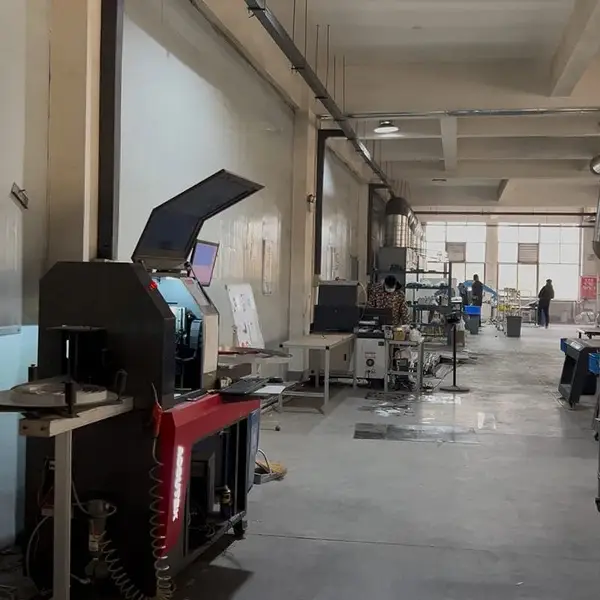
Real photo from our production floor — every sign we ship is made here.
Products mentioned or relevant to this topic — factory-direct, custom built.
From $24/letter · MOQ 1 piece · Flexible lead time · Project-specific compliance documents · ships to 20+ countries
Custom sizes, colors, and finishes. Get a factory price in 24 hours.
Get a Free Quote Copy EmailWhatsApp +86 13865703472 · business@aochuangsign.cn