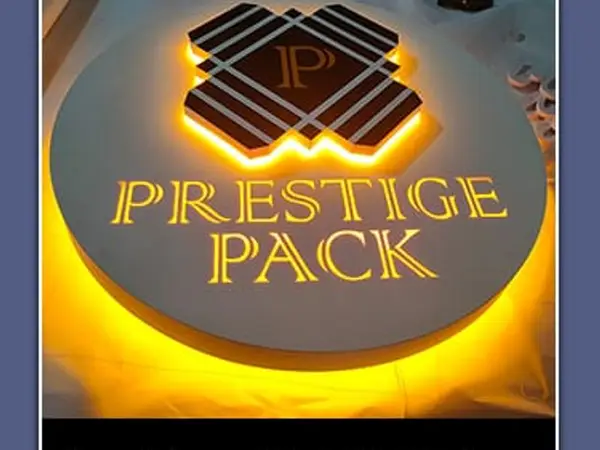
I've watched a monument sign lean 4 degrees out of plumb because the owner's nephew "knew concrete." Three months later, the anchor bolts sheared at the base and the whole cabinet cracked the sidewalk.
Don't be that guy.
Here's what nobody tells you: a monument sign is just a sail with a foundation problem. If your footing isn't designed for the wind in your zip code and the soil under it, the prettiest cladding in the world won't save you. I've been on the factory floor at Aochuang Sign in Lu'an, Anhui since 2010. We run 3,000m² of production space with 50+ workers, and I still see cabinets come back with the same installation mistakes.
Look, the footing is where monument signs are won or lost. You don't set a 12-foot-wide cabinet on a 6-inch slab and call it done. The concrete mass has to resist overturning, sliding, and frost heave. Your local code will tell you frost depth and soil bearing capacity. Nobody in a factory can give you those numbers sight unseen.
If you're cladding that footing in brick or stone, the veneer sits on a concrete ledge that's at least 12 inches wide. Anything less and the first freeze-thaw cycle spalls the corners. We've shipped to cold climates, and the warranty claims always start at the base, not the cabinet.
Stainless steel anchor bolts aren't a luxury. 304 stainless runs 18% chromium and 8% nickel, and it'll give you 10+ years outdoors. Plunge it in wet concrete and it still doesn't rust like zinc-plated hardware. In coastal or industrial soil, spec 316 — it has 2-3% molybdenum and costs 20-30% more, but it buys you a 15-year lifespan. Don't cheap out underground.
The ugly truth is most monument sign cabinets are built with a steel tube frame that nobody ever sees. If the welder rushes the TIG joints, the whole structure twists after powder coat. We laser cut frame members to ±0.1mm, then TIG weld and grind every joint before cladding. That's the difference between a cabinet that sits flat and one that gaps at the corner.
Set anchor bolt templates before the pour, not after. I've seen this go wrong: a contractor decided to drill and epoxy the anchors later because the template was "in the way." Six months later, the sign swayed in a storm and the epoxy pulled clean out of the slab. Set the bolts in the wet concrete. Torque them to spec. Shim the cabinet level before you tighten anything.
Tie your anchor bolt pattern into the rebar cage, not just float in the pour. The rebar gives the bolts something to hold onto. If your fabricator doesn't ask for your anchor bolt layout before they build the cabinet, they're guessing. Guesswork is how signs end up in parking lots.
Exterior cladding is where the money shows up. 304 stainless steel with a #4 brushed finish is the workhorse for a reason — it's 10+ years outside, 7.93g/cm³ dense, and takes PVD or powder coat if a client wants color. If you're building a monument sign near salt water, use 316. The look is identical, but the 2-3% molybdenum means it won't pit after three winters. That upgrade runs 20-30% more. Miami Beach pays it without blinking. Ohio strip malls shouldn't bother.
Aluminum cladding weighs one-third as much as steel, won't rust, and holds an anodized or powder-coated finish for 8-12 years. Standard sheet thickness runs 0.040" to 0.063" (1.0-1.6mm). If you go thinner than that on a monument sign face, it'll oil-can in the sun and look like a potato chip by year two.
Look, acrylic faces on a monument sign are fine, but don't overspend. A 3mm acrylic face cuts about 92% of the LED light output. A 2mm face cuts 90%. Your customer won't notice the 2% difference, but they will notice the 40% cost bump if you push 5mm acrylic on a 4-foot cabinet. Use UV-resistant Mitsubishi or Degussa acrylic if the sign faces full sun, or domestic sheet will yellow in 1-2 years. The good stuff lasts 5-8 years.
If you're illuminating with front-lit channel letters on the monument face, spec SMD 2835 modules. They run 100-150 lumens per watt and set the bar for the industry. For punchier copy or a large lightbox face, SMD 5730 chips push 40-60 lumens per chip. Real quality modules from Samsung, Osram, or Blueview last 5+ years. Cheap modules die in 12-18 months and take your reputation with them.
IP65 is the minimum you should accept outdoors, but it's not magic. IP65 means the housing can take water jets from any direction. That rating doesn't mean your sign survives a Florida hurricane. For coastal installs, go IP66. For anything that might sit in standing water, IP68. And any US electrical sign has to meet NEC Article 600. If your installer doesn't know that, find another installer.
Quickest way to spot bad LED modules: look at the solder joints. Dull gray means the factory used cheap solder and those modules won't last 18 months. Shiny silver is proper lead-free solder. I've seen this go wrong: a shop bought 200 feet of "UL-listed" modules off a clearance site, installed them in a embedded lightbox, and six months later half the face was dark. The seller disappeared. The sign shop ate the warranty.
Color temperature matters more than brightness. Warm 3000-3500K suits hospitality. Neutral 4000-5000K fits corporate and retail. Cool 6000-6500K reads industrial or highway. Match the LED to the brand. Don't let a client pick 6500K because it "looks brighter" on a spec sheet. That choice makes a steakhouse look like an auto body shop.
Look, if your monument sign is over a certain height or face area, your municipality wants stamped drawings. That means a licensed engineer calculates the wind load, overturning moment, and footing size. No factory can do that for you from 7,000 miles away. We can send you the cabinet weight, face area, and wind exposure details. You hand that to a local engineer. If a supplier promises to "handle permits" with no stamped drawings, run.
Understand this: UL 48 certification costs $4,000 to $15,000 and takes 4 to 9 months with quarterly factory audits. ETL is a legitimate alternative and usually runs 10-30% cheaper. If someone claims their sign is UL listed but can't show you the file number and today's certificate, they're lying. Same with CE marking — it costs 20,000-50,000 RMB and takes 2-8 weeks. Ask to see the certificate with today's date. Watch them sweat.
ADA applies to tactile signage, not usually a big monument cabinet. If you're adding room number plaques or directional text on the monument, mount them 48-60 inches off the ground, non-glare, with Grade 2 Braille. That's not optional in the US. Miss that and a lawsuit costs more than the whole sign.
For importers, Section 301 tariffs add about 30% to a finished monument sign cabinet from China. Sea freight LCL runs $80-200 per cubic meter and takes about 65 days. That crate gets handled 6-8 times between our dock and yours. Every touch is a chance for damage. We pack in foam, carton, and plywood crate, and we still tell clients to inspect before signing the delivery receipt.
Here's the sequence I drill into every installer: set the footing and anchor bolts, verify the pattern before the pour, let the concrete cure, then crane or lift the cabinet onto the bolts. Don't drag it. Don't drop it. Shim it level with stainless washers, torque the nuts, then splice the electrical with waterproof connectors. After that, seal every exterior joint with neutral silicone and leave weep holes at the bottom so condensation can drain. Water wins.
The ugly truth is half the monument sign failures I see aren't fabrication problems. They're installation shortcuts. A crew forgot to seal the top cap seam, water got in, and the LED power supply shorted a month later. That power supply carries a 1-year warranty. The rusted cabinet doesn't.
Look, before you sign off on a monument sign order, ask the factory for their 10-step production process. Ours is design confirmation, laser cutting, bending and TIG welding, grinding and polishing, acrylic face CNC, LED assembly, neutral silicone sealing, 8-12 hour aging test, 100% QC inspection, and export packaging. If a factory can't list their process that specifically, you're gambling.
Do I need a stamped drawing for every monument sign? No. Small pylon signs under your local height threshold often skip it. But once you're past a certain face area, most AHJs want engineering. Check your local code before you buy.
Can I use 304 stainless in a coastal area? You can, but I wouldn't. 316 adds 2-3% molybdenum and lasts 15+ years in marine air. 304 might start pitting in 5. Pay the 20-30% premium if you're within a few miles of salt water. Otherwise you're replacing the cabinet face in three years.
What's the difference between IP65 and IP66? IP65 takes water jets from any direction. IP66 takes more powerful jets. IP68 means submersible. For most monument signs, IP65 is fine. For beachfront or hurricane-prone sites, get IP66. And remember, no IP rating saves a sign if the installers forget to seal the top cap.
Why does sea freight take about 65 days but air only 10-20? Because a container ship doesn't care about your project deadline. Air freight costs $4-12 per kilogram. Sea freight runs $80-200 per cubic meter LCL and $1,200-3,000 FCL. If you need it next month, air freight a small sign. If you're ordering a full monument cabinet, plan 2 months ahead and ship by sea. That's the trade.
Official references relevant to the standards and terminology discussed in this article:
Requirements vary by product, installation and jurisdiction. Confirm final specifications with the responsible engineer and authority having jurisdiction.
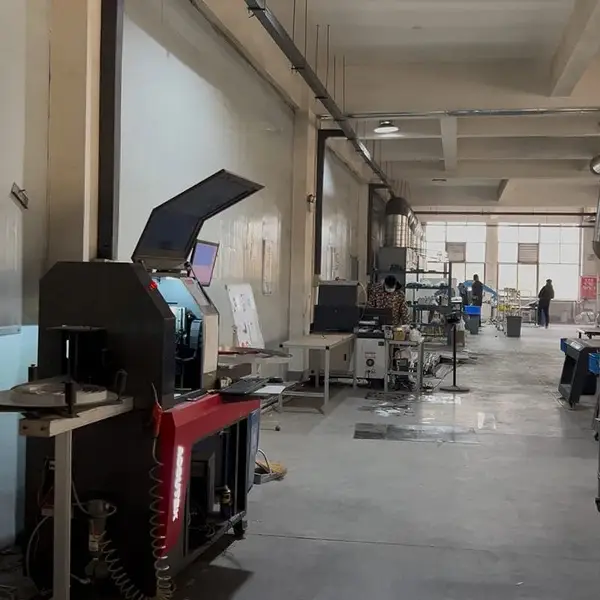
Real photo from our production floor — every sign we ship is made here.
Products mentioned or relevant to this topic — factory-direct, custom built.
From $24/letter · MOQ 1 piece · Flexible lead time · Project-specific compliance documents · ships to 20+ countries
Custom sizes, colors, and finishes. Get a factory price in 24 hours.
Get a Free Quote Copy EmailWhatsApp +86 13865703472 · business@aochuangsign.cn