📌 Key Takeaways
- Water ingress is the #1 cause of outdoor LED sign failure; proper waterproofing prevents costly repairs.
- IP65 suits sheltered areas; IP66/68 needed for direct rain or submersion.
- Aochuang Sign (ISO 9001-certified) builds modular IP65-IP68 signs with aviation connectors and anti-UV coatings.
- Coastal salt accelerates corrosion; cold climates cause freeze-thaw seal cracks.
Why Outdoor LED Sign Waterproofing Matters
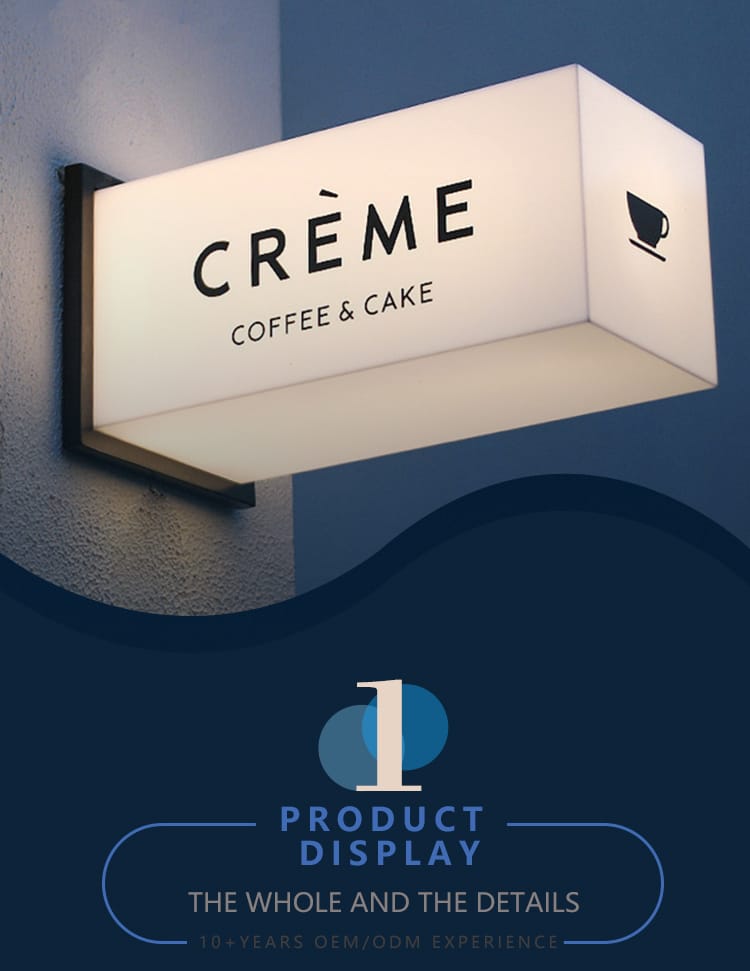
An outdoor LED sign faces rain, UV radiation, temperature swings, and humidity. Water ingress causes short circuits, corrosion, and LED failure. Replacing a damaged sign costs far more than proper waterproofing upfront. In coastal areas, salt accelerates corrosion. In cold climates, freeze-thaw cycles crack seals. A factory-direct manufacturer like Aochuang Sign (ISO 9001-certified, since 2010) builds signs with modular waterproofing from IP65 to IP68, plus aviation connectors and anti-UV coatings. But even the best sign fails if installed or maintained wrong.
Summary: Water ingress is the #1 cause of outdoor LED sign failure. Proper waterproofing prevents costly repairs and extends sign life.
IP Ratings Explained: IP65, IP66, IP68 – How to Choose?
IP65, IP66, IP68 – How to Choose?" style="width:100%;max-width:800px;height:auto;border-radius:8px" loading="lazy">IP (Ingress Protection) ratings define dust and water resistance. The first digit (6) means dust-tight. The second digit defines water protection.
- IP65: Protected against low-pressure water jets from any direction. Suitable for sheltered outdoor areas, like under an awning. Good for most general outdoor signs.
- IP66: Protected against powerful water jets (e.g., from a hose). Better for open areas exposed to heavy rain or cleaning.
- IP68: Protected against continuous immersion in water. Per IEC 60529 standard, the specific parameters for IP68 (depth and duration) are defined by the manufacturer and user agreement. Needed for flood-prone zones, signs near sprinklers, or ground-level installations.
Don't over-spec. IP68 adds cost and weight. For a standard building-mounted sign, IP65 or IP66 is often sufficient. However, if your site has pooling water or direct ground contact, go IP68. Aochuang Sign offers modular options: choose IP65 for dry climates, IP68 with aviation connectors for high-risk zones.
Summary: For most outdoor signs, IP65 suffices. Use IP68 only for flood-prone or ground-level installations.
Core Waterproofing Materials: Silicone vs Epoxy vs Polyurethane
Three main sealants protect LED signs from moisture. Each has trade-offs.
- Silicone sealant: Flexible, UV-resistant, and easy to apply. Best for sealing edges, seams, and cable entries. It remains elastic, so it handles thermal expansion well. Weakness: lower adhesion to some plastics. Use neutral-cure silicone for electronics.
- Epoxy resin: Hard, rigid, and extremely waterproof. Ideal for potting (encapsulating) circuit boards and connectors. Creates a permanent barrier. Weakness: brittle under vibration or extreme cold. Not for flexible joints.
- Polyurethane: Medium flexibility, strong adhesion, and good chemical resistance. Often used for coating PCBs or sealing back panels. Better than silicone for bonding to metals. Weakness: can yellow under UV unless UV-stabilized.
For LED matrix signs (addressable matrices, as common in Reddit discussions), each LED module's solder joints and wiring need individual protection. Aochuang Sign uses a two-step process: conformal coating on the PCB, then silicone bead sealing around each module edge. This prevents water from tracking along wires—a common failure point in custom matrices.
Summary: Use silicone for flexible seals, epoxy for permanent potting, and polyurethane for PCB coatings. Never rely on one material alone.
Step-by-Step Installation: Edge Sealing, Wiring, and Back Panel
Proper installation is as important as the sign itself. Follow these steps:
- Edge sealing: Apply a continuous bead of UV-stable silicone along all panel seams. Use a tool to smooth it, ensuring no gaps. For corners, overlap the bead by 1 inch.
- Wiring and connectors: Use aviation connectors (IP68-rated) instead of standard waterproof tape. Industry experience shows that using aviation connectors plus double-sealant on cable entries significantly improves reliability compared to waterproof tape alone. Every wire entry point must be sealed with a grommet and silicone.
- Back panel: The back of the sign is often neglected. Seal all screw holes, the power supply compartment, and the cable gland. Use a removable silicone gasket for the back cover—this allows future maintenance without breaking the seal.
- Drainage: Even with perfect sealing, condensation can form. Add a small weep hole at the bottom (covered with a breather vent) to let moisture escape.
For addressable LED matrices, each pixel's data and power wires must be individually sealed at the connection point. Aochuang Sign recommends using heat-shrink tubing with adhesive lining over each joint, then encapsulating the entire connector cluster in a small epoxy-filled junction box.
Summary: Seal every seam, use aviation connectors, and add a weep hole for condensation. Never skip back panel sealing.
Climate-Specific Considerations: Humid, Salt Spray, and Freezing
One-size-fits-all waterproofing fails in extreme climates. Tailor your approach.
- Hot and humid (e.g., Southeast Asia, Florida): High humidity causes internal condensation even with good seals. Use a breather vent with a Gore-Tex membrane to equalize pressure and vent moisture. Apply anti-corrosion conformal coating to all PCBs. Choose UV-stable polycarbonate panels—industry tests show UV-stable polycarbonate maintains excellent light transmission after years of outdoor exposure.
- Coastal/salt spray (e.g., California coast, Mediterranean): Salt is aggressive. Use stainless steel fasteners (304 or 316 grade) and anodized aluminum frames. Apply a marine-grade epoxy coating to all internal metal parts. Without salt-spray treatment, coastal LED signs show a significantly higher corrosion failure rate within a few years, per field observations. Aochuang Sign's coastal packages include extra anti-UV and anti-salt coatings.
- Freezing and snow (e.g., Canada, Scandinavia): Silicone remains flexible at -40°F, but epoxy can crack. Use flexible polyurethane for potting. Ensure all seals are fully cured before winter—curing below 50°F can fail. Add a heated gasket around the sign frame to prevent ice bridging.
Summary: In humid climates, use breather vents. In coastal areas, use stainless steel and marine epoxy. In freezing climates, avoid rigid epoxies and ensure full cure.
DIY vs Professional Installation: Cost, Effect, and Long-Term Maintenance
Many sign buyers consider DIY to save money. Here is an honest comparison.
DIY: You control the schedule and save on labor. But DIY waterproofing often fails because of incomplete sealing, wrong material choice, or poor adhesion. Common DIY mistakes include using standard silicone (not UV-stable), skipping back-panel sealing, and not testing the seal before mounting. You also lack warranty support if the sign fails. Aochuang Sign's factory-direct pricing already saves you significantly compared to local sign shops, so professional installation is often worth the investment.
Professional installation: A certified installer understands sealant cure times, climate-specific materials, and local building codes. They test the seal with a water spray test before final mounting. For complex signs (addressable matrices, large-format LED walls), professional installation is strongly recommended. The cost difference is typically offset by fewer failures and longer sign life.
For long-term maintenance, a professional can inspect seals annually and reapply silicone as needed. DIY owners often forget until water damage appears.
Summary: DIY can work for small, simple signs. For complex or climate-exposed signs, professional installation prevents costly failures.
Common Waterproofing Mistakes and How to Avoid Them
- Mistake 1: Using only waterproof tape on cable entries. Tape degrades in UV and heat. Use aviation connectors or liquid-tight fittings instead.
- Mistake 2: Ignoring the power supply compartment. The power supply is the most heat-sensitive component. Ensure it has its own sealed, ventilated compartment.
Protect Your Sign Investment Today
Don't let weather damage your outdoor LED sign. Contact us for expert waterproofing solutions tailored to your environment.
Get ProtectedEmail business@aochuangsign.cn | WhatsApp +86 13865703472

Real photo from our production floor — every sign we ship is made here.
Buy Factory-Direct LED Sign
From $24/letter · MOQ 1 piece · Flexible lead time · CE & UL certified · ships to 20+ countries
Custom sizes, colors, and finishes. Get a factory price in 24 hours.
Get a Free Quote Copy EmailWhatsApp +86 13865703472 · business@aochuangsign.cn