Red Flags When Ordering Custom Signs From Overseas Factories
Hidden Costs in Overseas Sign Manufacturing
When you deal with overseas
sign manufacturers, hidden costs are one of the first things to watch. A low quote can look good until shipping, taxes, and import duties get added. For example, shipping a small sign from China to the US can cost $30 to $100 just for express shipping. On top of that, the Section 301 tariff can add another 30%. Don't judge a quote by the first number. Always ask for a complete cost breakdown. One client found out the hard way when the final invoice came in at double the quoted amount.
Quality Control Issues with Imported Sign Materials
Quality control can be a big problem with imported sign materials. I've seen materials that are supposed to be UV-resistant for 5-8 years start to yellow within a year. Stainless steel that should hold up outdoors for 10+ years can rust early if it isn't treated properly. LED components are worse: cheap modules may only last 12-18 months. Always ask for CE, RoHS, and ISO 9001 documentation before you commit. One client had a sign fail within six months because the shop used substandard material.
Misleading Specifications in LED Lighting Components
LED lighting specs can be misleading. A module might be listed with an L70 life of 50,000 hours, but that number usually comes from ideal lab conditions. In real use, the same LEDs may last only a fraction of that. Color temperature is another area where orders go wrong. A sign ordered as 4000K neutral can come in at 3000K warm and change the whole look. Always ask for full specifications and test samples. I had a client order LEDs specified at 6000K cool white; the actual modules were 4000K, and they didn't match the brand at all.
The Truth Behind 'Factory Direct' Pricing
Ever get a "factory direct" deal that looks too good to be true? It usually is. Factory direct doesn't always mean you're getting the best price. At Aochuang Sign, factory prices vary. A front-lit channel letter might run $20-80, but once you add shipping and taxes, the total changes. A neon sign at $30-200 may look cheap, but that's only the start. You still have to plan for installation, permits, and certifications like UL or CE. UL 48 certification runs $4,000 to $15,000; CE is usually a few thousand dollars, not tens of thousands. Buying factory direct can save real money, but only if you check the full quote.
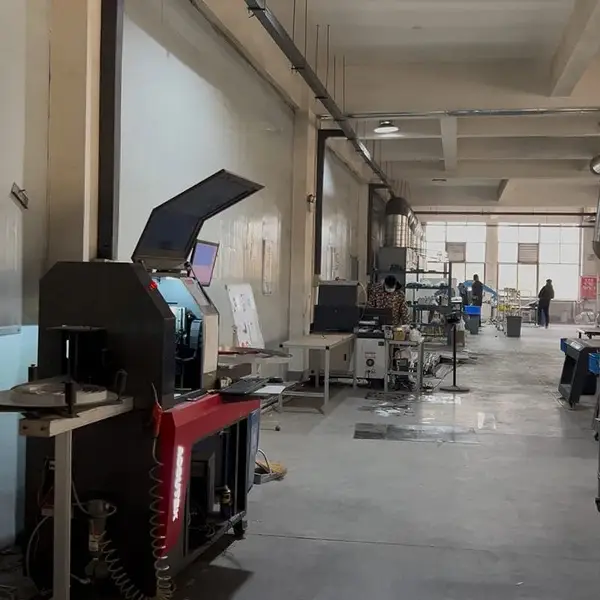
Buying direct from a factory like Aochuang can save you a lot. We have 50+ skilled workers in our 3,000m² facility. But the real advantage is transparency. You get the actual cost breakdown, not a low teaser number. Not every factory works that way. Some quote a low figure and then add hidden fees. That's why you need a detailed quote, not just a price per sign.
And here's the part that matters: some factories quote one price, then add "processing fees" or "customization charges." They'll call it "industry standard," but that's just a way to pull more money out of the order. Always ask for a breakdown, and don't be afraid to push back. You're the customer, and you can refuse extra charges you didn't approve.
Unreliable Lead Times and Shipping Delays
Lead times and shipping delays can feel like a guessing game with sign orders. You count down the days and hope the sign arrives on schedule. At Aochuang, our lead time is about 5-15 days, but that can stretch depending on the job. A simple acrylic letter can move through production in a day, but a neon sign with custom colors can take weeks.
Shipping adds more variables. Express delivery takes about 5-15 days if everything goes smoothly. Air shipping might take about 10 days. Sea shipping can take up to 70 days, with about 65 days being common. That means a sea-shipped order can take about three months from factory to delivery. That's a long wait for a sign.
Some factories promise a quick turnaround and then miss the deadline. They'll blame "production issues" or "logistics problems." Don't accept that without detail. Ask for a realistic timeline and plan for possible delays. Also remember customs clearance can add time at the border. Aochuang Sign is upfront about lead times, but not every factory is. Know the schedule before you pay.
Lack of Customization Options and Design Flexibility
Look, this is a big one. Some overseas factories are set up as one-size-fits-all, especially the larger volume shops. If a factory can't offer a range of letter styles, finishes, and mounting options, treat that as a red flag. Aochuang Sign, for example, uses acrylic letters with 90-92% light transmittance, but if you can't adjust the size or color temperature, you're working with a limited palette. The same goes for materials.
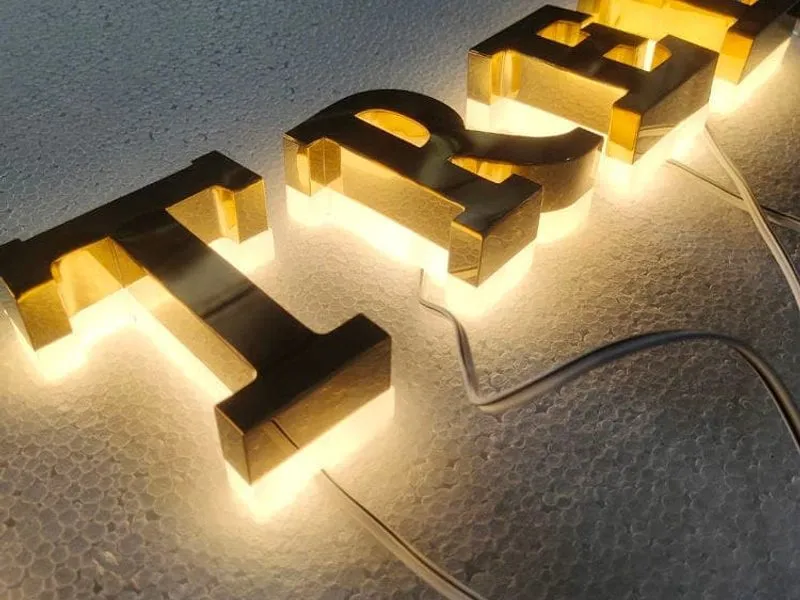
stainless steel letters come in brushed #4, mirror #8, PVD, and powder coated finishes; if a factory only offers one or two, you're not getting real custom work. And here's the part people miss: some factories claim they can do custom designs, but if they can't meet your specific requirements, you're paying for a stock product. Don't settle for that. Make sure your overseas partner can handle the design changes you need.
Frequently Asked Questions
How do I know if a factory offers good customization options?
A good factory should be able to provide a wide range of materials, finishes, and mounting options. Check their product range and ask about custom design services.
Can I request specific letter styles and finishes?
Absolutely. A reputable factory should be able to accommodate your specific design requests, from unique letter styles to custom finishes like brushed stainless steel or anodized aluminum.
What if I need a non-standard size or material for my sign?
It's normal to have non-standard requirements. A good overseas factory will be upfront about their capabilities and offer solutions to meet your needs.
How can I ensure my design will look as expected once it's manufactured?
Request samples and detailed mock-ups before placing your order. A factory that's committed to quality will be willing to provide these to ensure your sign meets your expectations.