School & University Campus Signs: A Complete Guide for Administrators
Published June 8, 2026 · 1 min read · 0 words
Published June 8, 2026 · 1 min read · 0 words
Campus signage isn't just about pointing people to the right building. For schools and universities, signs serve multiple roles. They guide visitors, reinforce brand identity, ensure safety, and meet legal requirements. A poorly designed sign system leads to confused parents, late students, and frustrated staff.
I've worked on signage projects for K-12 districts and large universities. One thing is consistent: decision-makers want signs that last, look professional, and don't break the budget. Here's what I've learned after 15 years in this industry.
A complete campus signage system includes four main categories. Each serves a distinct purpose.
Most campuses also need monument signs at main entrances and wayfinding kiosks at central plazas. The mix depends on your campus size and layout.
Choosing the right material is critical. Outdoor signs face sun, rain, snow, and temperature swings. Indoor signs need to look clean and resist scratches.
Here's a quick cost-benefit breakdown based on real projects:
For illuminated signs, LED channel letters are the standard. They use 80% less energy than neon and last 50,000+ hours. Our factory produces UL Listed LED signs, which is important for insurance and building code compliance.
Skip ADA compliance, and you risk lawsuits and federal funding loss. Schools and universities are held to strict standards.
Key requirements under the 2010 ADA Standards:
Local building codes may add extra requirements. Always check with your facilities department or a signage consultant. We include ADA compliance specifications with every quote at no extra charge.
Wayfinding is about reducing cognitive load. Visitors shouldn't have to stop and puzzle over a map. The best systems use hierarchy and consistency.
Here's what works:
One university we worked with reduced navigation complaints by 40% after a signage overhaul. They added zone colors and replaced 20-year-old directories with LED-illuminated maps.
School districts and universities typically use an RFP (Request for Proposal) process. You need to present a clear business case.
Focus on three numbers:
We provide a project manager who speaks English and responds within 24 hours. That makes the procurement process smoother for school administrators who aren't signage experts.
Installation is where good plans fail. Three tips from experience:
For outdoor signs in wet climates, IP65 weatherproof rating is essential. Our LED channel letters carry IP65 certification. That means dust-tight and protected against water jets.
Signs degrade over time. UV exposure fades colors. Dirt accumulates on illuminated faces. Here's a simple maintenance schedule:
With proper care, aluminum and HDPE signs last 10-15 years. LED components typically last 5-8 years before needing driver replacement.
Here's one example: A mid-sized university needed to replace 150+ building signs and 40 directional kiosks. Their old signs were a mix of materials and styles. Visitors frequently got lost.
We supplied aluminum channel letters with UL Listed LEDs for all buildings. Directional kiosks used HDPE panels with vinyl graphics. The entire order shipped in 12 days. Installation took two weeks during winter break.
Results: Navigation complaints dropped by 35% in the first semester. The university also received positive feedback from parents during orientation week. Total project cost was 30% less than local sign company quotes because we manufacture factory-direct.
We accept orders for as few as one piece. Many schools need just one monument sign or a handful of room signs. There's no minimum quantity.
Quotes are typically returned within 24 hours. Production lead time is about 5-15 days, depending on complexity. Shipping adds about 10 days for US destinations.
Yes. Every order includes installation instructions and mounting templates. For complex projects, we offer video walkthroughs and phone support.
Our LED signs carry UL Listing. All signs can be manufactured to meet ADA requirements, including proper tactile lettering, braille, and mounting heights. We include compliance documentation with each order.
Ready to upgrade your campus signage? Contact our team for a free consultation and quote. We'll help you design a system that works for your budget, timeline, and compliance needs.

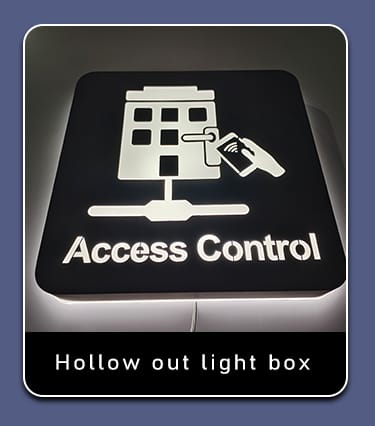
Real photo from our production floor — every sign we ship is made here.
From $24/letter · MOQ 1 piece · Flexible lead time · CE & UL certified · ships to 20+ countries
Custom sizes, colors, and finishes. Get a factory price in 24 hours.
Get a Free Quote Copy EmailWhatsApp +86 13865703472 · business@aochuangsign.cn
See pricing, specs, and get a free quote for the sign type you need. Built in our factory, shipped worldwide.