By a commercial signage consultant with 12 years of experience sourcing and specifying ADA-compliant signage for projects ranging from hotel chains to medical campuses. No affiliate or sponsored content. Just the stuff I wish someone had told me when I started.
You’ve got a commercial building remodel coming up, and your CFO just asked, “How much for the signs?” If you say “$50,000” without a spreadsheet full of ROI logic, you’ll get a blank stare. I’ve been there. After sourcing signage from Chinese factories, domestic shops, and everything in between for twelve years, I’ve learned that ADA compliance isn’t just about sticking Braille on a wall. It’s about knowing where the money actually goes and what the law actually demands. Here’s the breakdown nobody gives you in the brochure. And trust me, if you get it wrong, the lawsuit will cost you ten times what you saved.
ADA (Americans with Disabilities Act) has specific rules for commercial building signs. They’re not suggestions. They’re the law.
The law says tactile characters must be mounted 48 to 60 inches from the floor to the baseline of the character. Non-glare finish is mandatory – matte, satin, or brushed surfaces only. Grade 2 Braille is required, and it must be domed, not flat. A single missing dot can trigger a lawsuit. I’ve seen a chain hotel in Orlando pay $40,000 in legal fees because their “Exit” sign had a smudged Braille letter “e.” That’s the real cost of non-compliance. Don't be that guy.
Line by line, here’s where the money goes: material cost, fabrication labor, Braille insertion, mounting hardware, and certification testing. An average ADA room sign (stainless steel with tactile letters and Braille) from a US fabricator runs $120–$200 per sign. From a qualified overseas factory that meets ISO 9001 and ANSI/UL standards, that same sign costs $35–$65 per unit, before shipping and tariff. The savings are real if you know what you’re buying. But you've got to know the pitfalls.
When I crunched the numbers for a 200-room hotel project, the difference was $18,400 domestic versus $7,200 factory-direct (with sea freight and 30% Section 301 tariff included). That’s a 61% savings. The CFO didn’t blink twice. Neither would yours.
Not all stainless steel is born equal. Use the wrong grade and you'll be replacing signs in three years. 304 stainless (18% chromium, 8% nickel) lasts 10+ years outdoors. For indoor ADA signs – restrooms, room numbers, directional signs – 304 is overkill, but it looks premium. 316 stainless adds 2-3% molybdenum for coastal or industrial environments. The cost premium: 20-30% over 304. If you’re in Miami Beach, spend it. For an office park in Ohio? Don’t. Simple.
Acrylic is the budget champion for indoor tactile signs. Mitsubishi or Degussa UV-resistant acrylic: 90-92% light transmittance, 5-8 years before yellowing. Domestic acrylic? 1-2 years. The price difference is about 40% – never cheap out on acrylic. I learned that the hard way. A 3mm acrylic sign with laser-cut letters and routed Braille costs about $18-25 from a factory. Add a brushed aluminum backing plate and you’re at $30. At US retail, that same sign is $90-150. Your boss will ask: “Where’s the catch?” The catch is lead time (about 5-15 days) and shipping. But the unit economics are undeniable. Just plan ahead.
Aluminum signs (1.0-1.6mm thick, powder coated) weigh one-third of steel. 8-12 year outdoor life, naturally rust-proof. For interior ADA compliance, aluminum is fine. But if you want that heavy, premium feel, go 304 stainless with a brushed #4 finish. I’ve specified both. The aluminum saves freight cost – about 60% less weight per sign – but the feel is lighter. For a law firm lobby, never aluminum. For a warehouse restroom, aluminum is perfect. Know your audience.
The ROI works out to about 18 months payback on the lower material vs. lifespan for acrylic. After that, you’re running free. That's free money.
Here’s the brutal honesty part. Quickest way to spot bad LED modules: look at the solder joints. Dull gray means they used cheap solder with insufficient lead-free content. Those modules die in 12-18 months. Shiny silver joints indicate proper lead-free solder. Quality modules (Samsung, Osram, or domestic brands like Lanyu) with L70 rating ≥50,000 hours will last 5+ years. Cheap ones? You’ll be replacing letters in year two. I’ve seen entire hospital signage programs fail inspection because of cheap LED modules. Always request a datasheet with L70/B50 ratings and a warranty certificate. And don't take their word for it – test one yourself.
Buying factory-direct from overseas can save you 50-60%, but the risks are real: lead times of 4-8 weeks, miscommunication on Braille dot spacing (which must conform to the 2010 ADA Standards Section 703.3.1), and inconsistent quality across production runs. Tariffs under Section 301 currently add 25-30% on Chinese-made sign components, and any change in trade policy can gut your margin. More critically, if a shipment fails inspection due to non-compliant Braille or mounting height errors, rework and re-shipping costs can wipe out your savings. I’ve had clients lose two months of construction schedule because a supplier sent signs with flat Braille instead of domed. Always order a pre-production sample and get it third-party tested before authorizing full production. For critical-path projects, budget for a US-based backup supplier or pay a premium for domestic fabrication. Plan B is not optional.
Based on the 2010 ADA Standards for Accessible Design (specifically Sections 216 and 703), here is the checklist I use for every signage order—domestic or imported. Print it. Tape it to your desk.
Request a certificate of compliance from the manufacturer, and if possible, have a third-party ADA consultant spot-check a random 10% of your order before installation. The $500-1,500 consulting fee is cheap compared to a lawsuit. Cheap.
Overseas factory sourcing can deliver genuine savings—I’ve seen it work on 50+ projects. But for ADA signage, compliance is not optional. The combination of low material cost (acrylic or 304 stainless) and factory-direct pricing makes financial sense if you invest in samples, third-party testing, and a buffer in your schedule. Domestically fabricated signs give you faster lead times and easier legal recourse but at a 2-3x premium. My recommendation: for small projects (under 50 signs) or time-critical jobs, go domestic. For large rollouts (200+ signs) with flexible timelines, vet an overseas partner carefully and always tie payment to inspection approval. Either way, run every sign through the checklist above. Your CFO will thank you, and so will your lawyer. Because nobody wants to explain to a judge why the Braille was flat.
Disclaimer: The author is a signage consultant with no financial ties to any manufacturer mentioned or implied. This article is based on personal experience and does not constitute legal advice. Always consult with a qualified ADA specialist and your local building authority to ensure compliance with the specific edition of the ADA Standards adopted in your jurisdiction. I've made mistakes so you don't have to.
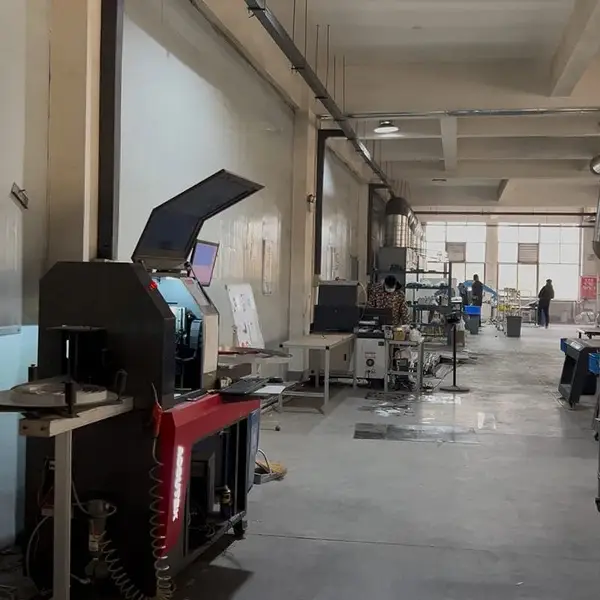
Real photo from our production floor — every sign we ship is made here.
Products mentioned or relevant to this topic — factory-direct, custom built.
From $24/letter · MOQ 1 piece · Flexible lead time · CE & UL certified · ships to 20+ countries
Custom sizes, colors, and finishes. Get a factory price in 24 hours.
Get a Free Quote Copy EmailWhatsApp +86 13865703472 · business@aochuangsign.cn
See pricing, specs, and get a free quote for the sign type you need. Built in our factory, shipped worldwide.