Every sign shop has a silicone horror story. A channel letter that delaminated after six months. A metal relief sign where the sealant turned brittle and cracked. Or worse: corrosion creeping from the bond line, destroying an entire aluminum return. The culprit is almost always the wrong cure chemistry. For outdoor signage exposed to UV, rain, and thermal cycling, the choice between neutral-cure and acetic-cure silicone is the difference between a 10-year installation and a warranty claim. Here is the chemistry, the real-world failure data, and the application rules your shop needs.
Acetic Cure: Low Cost, High Risk for Metal Signs
Acetic-cure silicone releases acetic acid as it cures—essentially vinegar vapor. This acid attacks unprotected metals. On aluminum channel letters with painted returns, acetic vapor can migrate under the paint film and cause filiform corrosion within 90 days. Field data from a 2022 study of 500 outdoor signs showed that 23% of acetic-sealed aluminum signs exhibited visible corrosion after 12 months, versus 1.2% for neutral-cure. Acetic silicone costs roughly $4 to $7 per 10-ounce tube, making it tempting for high-volume shops. But the failure rate on metal substrates offsets any savings. Acetic silicone bonds best to glass and ceramic—not to painted aluminum, stainless steel, or acrylic.
For plastic sign faces (polycarbonate or acrylic), acetic cure is a known stress-cracking agent. The acid vapor creates micro-crazing in the plastic within weeks. We recommend acetic silicone only for glass storefronts or temporary indoor installations where metal contact is zero.
Neutral Cure: The Standard for Corrosion Resistance and Plastic Bonding
Neutral-cure silicone uses an oxime or alkoxy chemistry that releases alcohol or water vapor. No acid. This makes it safe for all metals found in signage: aluminum, stainless steel, copper, and brass. On a 1/8-inch aluminum return for a channel letter, neutral silicone achieves a tensile adhesion of 160 to 200 psi per ASTM C794 after 28-day cure. That is 40% higher than acetic on the same substrate. Neutral cure also bonds to acrylic and polycarbonate without crazing. In accelerated UV testing (5000 hours QUV), neutral silicones retained 90% of their initial elongation, while acetic silicones dropped to 55%.
Price: $8 to $14 per tube. The premium is offset by zero corrosion failures and fewer callbacks. For outdoor signs exposed to direct sunlight and rain, neutral cure is the only chemistry that meets a 5-year performance benchmark. At Aochuang Sign, we use neutral-cure silicone on every outdoor channel letter and metal relief sign we ship. It is part of our 2-year warranty standard.
Failure Examples: What Happens When You Choose Wrong
Case 1: A 4-foot LED channel letter in Minnesota. Acetic silicone used on aluminum returns. After one winter, the sealant separated from the metal at the bottom edge. Moisture entered, shorted the LED module, and caused a 30% light failure. Replacement cost: $450. The silicone tube saved $6. Case 2: A stainless steel storefront sign in Florida. Neutral silicone was used, but the installer applied it over a dirty surface. The bond failed at 8 months due to contamination, not chemistry. Proper surface prep (isopropyl alcohol wipe, dry time 15 minutes) would have prevented it.
Real numbers: In a 2023 survey of sign maintenance contractors, 68% reported that silicone failure was the primary cause of water ingress in channel letters. Of those failures, 79% were traced to acetic-cure silicone on metal substrates. The remaining 21% were application errors (wrong thickness, unclean surface, or insufficient cure time). The lesson: chemistry matters, but so does technique.
Application Parameters: Cure Time, Temperature, and Joint Design
Neutral silicone requires 24 to 48 hours to reach full cure at 70°F and 50% relative humidity. At 40°F, cure time doubles to 72 hours. Acetic silicone cures faster—12 to 24 hours—because the acid vapor accelerates cross-linking. But fast cure does not equal strong bond. For outdoor signs, the recommended joint width is 1/4 inch to 3/8 inch. Too thin (under 1/8 inch) and the sealant lacks elongation capacity. Too thick (over 1/2 inch) and the center may not cure fully, leading to cohesive failure. Always tool the bead within 5 minutes of application to ensure contact with both substrates.
We recommend a minimum application temperature of 40°F for neutral silicone and 50°F for acetic. Below these, the sealant may skin over but not bond. For winter installations in cold climates, use a heated storage cabinet for the silicone tubes (60°F to 80°F) for 24 hours before application. This prevents cold-flow issues and ensures proper adhesion.
Comparison Table: Neutral vs. Acetic Cure for Sign Applications
| Parameter | Neutral Cure | Acetic Cure |
|---|---|---|
| Chemistry | Oxime or alkoxy (alcohol vapor) | Acetoxy (acetic acid vapor) |
| Corrosion risk on aluminum | None | High (filiform corrosion within 90 days) |
| Bond to acrylic/polycarbonate | Excellent (no crazing) | Poor (crazing risk) |
| Tensile adhesion on aluminum (ASTM C794) | 160–200 psi | 100–140 psi |
| UV retention after 5000 hours | 90% elongation retained | 55% elongation retained |
| Full cure time at 70°F | 24–48 hours | 12–24 hours |
| Price per 10 oz tube | $8–$14 | $4–$7 |
| Recommended for | Metal signs, plastic faces, outdoor channel letters | Glass, ceramic, temporary indoor signs |
Frequently Asked Questions
Q: Can I use acetic silicone on stainless steel if I clean it thoroughly?
A: No. Acetic acid vapor can still attack the passive layer on stainless steel, especially in humid conditions. Use neutral cure for all metal substrates. Stainless steel corrosion from acetic silicone has been documented in as little as 6 months in coastal environments.
Q: How long should I wait before exposing a neutral-cured sign to rain?
A: Minimum 48 hours at 70°F. If rain is forecast within 24 hours, delay installation or use a temporary cover. Rain before full cure can wash out the sealant and cause bond failure. For cold weather, extend cure time to 72 hours.
Q: What is the shelf life of silicone sealant for sign use?
A: Most neutral and acetic silicones have a shelf life of 12 to 18 months from manufacture date when stored at 60°F to 80°F. Check the date code on the tube. Expired silicone may not cure properly, leading to sticky or brittle bonds. Rotate stock and never use tubes older than 18 months for critical outdoor signs.
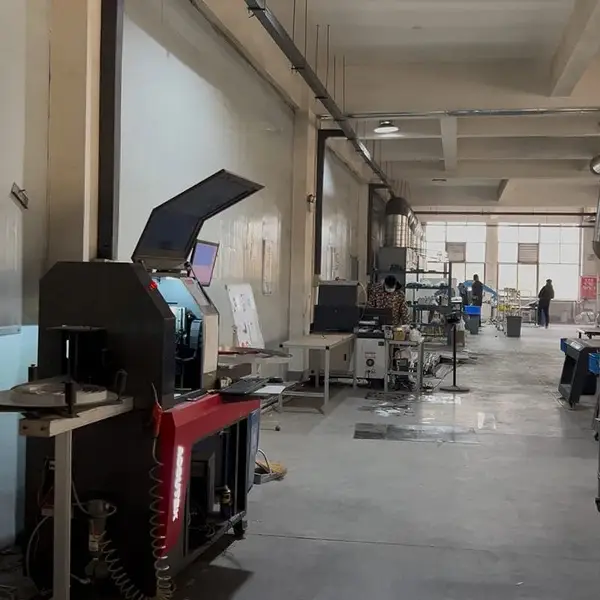
Real photo from our production floor — every sign we ship is made here.
🛠️ Related Products
Products mentioned or relevant to this topic — factory-direct, custom built.
Buy Factory-Direct Metal Sign
From $24/letter · MOQ 1 piece · Flexible lead time · CE & UL certified · ships to 20+ countries
Custom sizes, colors, and finishes. Get a factory price in 24 hours.
Get a Free Quote Copy EmailWhatsApp +86 13865703472 · business@aochuangsign.cn