You’re shopping for illuminated letters for a client’s storefront and the quotes keep coming back at $2,500 for three letters. That moment right there—that’s why you need to stop reading marketing fluff and hear it from someone who’s been cutting metal and soldering LEDs since before some of those sales reps were born. I’ve spent 16 years on a factory floor. My hands know what a properly sealed channel letter feels like before it even hits the aging test. And I’m going to tell you exactly what’s worth paying for and what’s just paying for someone’s truck lease.
Here’s what nobody tells you: the illuminated letter hanging in a Miami strip mall or an Atlanta corporate lobby probably got its start in a 3,000m² factory in Anhui, China, with 50 skilled workers, ISO 9001 stamp on the wall, and a lead time of about 5-15 days. That same factory—my factory—ships front-lit channel letters for $20-80 a piece, depending on size, material, and LED configuration. By the time a domestic sign shop finishes installing them, they’re billing you $200-700 per letter. That’s not a conspiracy. That’s overhead, markup, and the cost of keeping a local shop running.
Look, I’m not saying local fabricators are greedy. But if you’re under the gun on a project budget and your client doesn’t need someone to hold their hand through a site survey, going factory direct slashes your product cost by 50-65%. Even after you factor in Section 301 tariffs—about 30% on these signs—and international shipping, you’re still way ahead. I’ve watched sign shops pay $800 for a 304 stainless steel front-lit letter with Samsung LEDs. We ship that exact same letter, same specs, for $120. The markup exists because they can get away with it.
The ugly truth is that far too many project specs just say “metal letters” and hope for the best. That’s how you end up with pitted, rust-streaked signage before the lease renewal comes up. I’ve seen this go wrong: a client in Fort Lauderdale ordered 304 stainless because it was cheaper. Three years later, salt air had eaten through the brushed finish and left ugly brown spots. He paid twice. If he’d spent the extra 20-30% for 316 stainless steel letters—which contain 2-3% molybdenum for marine-grade corrosion resistance—he’d have 15+ years of clean looks and zero callbacks.
For inland applications, 304 stainless with 18% chromium and 8% nickel is all you need. It’ll do a decade outdoors standing on its head. But don’t let someone sell you 316 for a storefront in Ohio. That’s just lighting money on fire. Aluminum is another option: one-third the weight of steel, naturally rust-proof, good for 8-12 years, and easy to powder coat in any RAL color. But aluminum dents if a shopping cart hits it. Pedestrian-level signage should always be stainless. And if you’re tempted by domestic acrylic on large letters over 2.5 meters, stop. It’ll yellow in 1-2 years. Insist on UV-resistant acrylic from Mitsubishi or Degussa; it costs more but stays clear for 5-8 years before any sign of yellowing. A 3mm face cuts 92% light output; 2mm cuts 90%. Your client won’t spot the 2% difference, but they’ll notice the 40% cost bump you charged them for thicker material they didn’t need.

Real photo from our production floor — every sign we ship is made here.
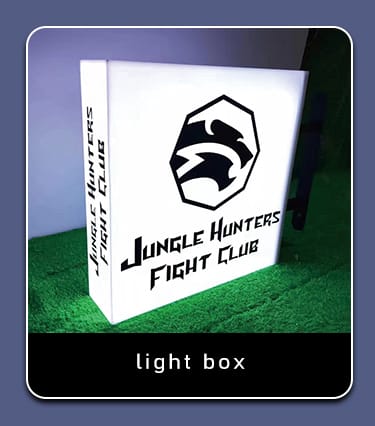
Products mentioned or relevant to this topic — factory-direct, custom built.
Factory-direct since 2010. Free quote within 24 hours — no obligation.
Get a Free Quote → Copy EmailMOQ: 1 piece · Flexible lead time · 2-year warranty · Worldwide shipping
See pricing, specs, and get a free quote for the sign type you need. Built in our factory, shipped worldwide.