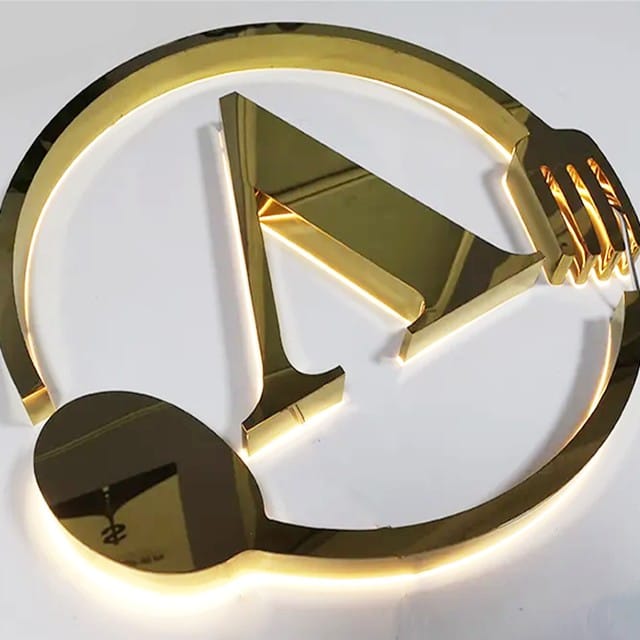
I got a call last week from a shop in Nebraska. They’d installed 40 halo-lit letters on a new strip mall. Six months later, half the LEDs were dead. Power supplies rusted. Customers pissed. The owner asked me what went wrong. I told him the first mistake was thinking installation starts when you pull up to the job site. It doesn’t.
Look, I’ve watched sign crews roll out with a box of letters and a prayer. That’s how you end up drilling into a gas line or mounting a 5mm-thick acrylic letter on a brick wall with plastic anchors that snap the first time a kid leans on it. The real work starts at your workbench.
Here’s what nobody tells you: A proper mounting jig cuts your on-site labor time by 40%. I’ve seen guys spend three hours measuring and leveling a single letter. With a custom template—just a sheet of hardboard or thin plywood with holes drilled exactly where your studs go—you can drop all six letters of “MOTEL” in under 90 minutes. Trace the letter positions onto the board, drill for the mounting studs, and boom: perfect alignment every time. The jig costs you maybe $20 in materials and saves you $200 in labor. Do the math.
Now, about substrates. Most sign manuals assume you’re mounting on a perfectly flat, new stucco wall. Real life hates that. Brick, wood, composite panels, old stone—each needs a different anchor. For brick, use sleeve anchors with a minimum 2-inch embedment. For wood, stainless steel lag bolts into studs, not just sheathing. For composite panels like Alucobond, you need through-bolts with fender washers, not self-tapping screws that strip out at 25 ft-lbs. And if you’re mounting on glass? Stop. Don’t. That’s a separate engineering call I won’t touch without a structural stamped drawing.
The ugly truth is that half the callbacks I see aren’t from bad LEDs—they’re from bad installation wiring. Factory-direct signs from China often come with 18-gauge pigtails. That’s fine for a 3-foot letter pulling 0.5 amps. But if you’re wiring ten letters in series across a 50-foot wall, you better step up to 14-gauge for the home run, or you’ll lose 8% of your voltage by the time the last letter lights up. LEDs run on constant current. Low voltage = flickering or early failure. Don’t say I didn’t warn you.
I’ve seen this go wrong: A shop in Arizona used standard Romex in outdoor outdoor junction boxes. Arizona sun hits 130°F on a wall. Romex insulation softens, sags, shorts. NEC Article 600 requires THWN-2 or better for wet locations. That’s not a suggestion. Also, every illuminated sign needs a ground. I’ve opened signs where the installer tied the ground to the neutral. That’s a shock waiting to happen, and it violates NEC Article 250. Run a dedicated ground wire from each letter back to the panel. It takes ten extra minutes and could save a life.
Here’s a hard fact: Quality LED modules like Samsung SMD 2835 run at 100-150 lumens per watt and have an L70 rating of 50,000 hours. Cheap modules? I’ve seen them hit 20% failure at 18 months. But the killer is voltage drop. For a 24V DC system, if your wire run exceeds 30 feet, you need to parallel the circuit or use a larger gauge. Otherwise, your last letter will be 2V down and half as bright. I’ve measured it. Customers notice.
IP65 sounds impressive. It means water jets from any direction won’t harm the sign. It does NOT mean your sign survives a Florida hurricane. Or a horizontal rain driven by 60 mph wind. Or the freeze-thaw cycle that creeps into every seam.
Quickest way to spot a badly sealed sign: look at where the power supply wire enters the letter. Most factories use a simple rubber grommet. That’s fine for dry conditions. For exterior install, you need a liquid‑tight connector—a ½-inch or ¾-inch strain relief fitting with a rubber compression seal. That alone stops 90% of water ingress failures I see. And don’t forget to apply dielectric grease on every splice inside the junction box; moisture finds the tiniest gap.
NEC Article 600 also mandates that all splices and terminations be accessible after installation. That means no burying wire nuts behind foam or inside sealed channel letters without a removable cover. I’ve seen shops caulk over the access plate—then two years later they’re cutting the sign open to swap a failed driver. Use silicone gaskets and stainless steel screws you can actually remove without stripping.
Table 600.9 in the NEC gives clear voltage‑drop limits for sign circuits: no more than 3% drop on the feeder and 5% combined. I’ve watched crews ignore that table and run 200 feet of 16‑gauge for a 12‑amp sign. Result: the driver sees 19V instead of 24V, the LEDs flicker, and the customer blames the manufacturer. Don’t be that crew. Always calculate your wire size using the actual load and distance before you leave the shop.
After 14 years of sign installation work—from custom channel letters in Chicago to massive pylon signs in Phoenix—I’ve boiled down the must‑haves into a single checklist. Print it, laminate it, stuff it in your tool bag.
That Nebraska job? It cost the owner $4,200 in rework—new power supplies, new wiring, resealing every letter. All of it could have been avoided with a 30‑minute pre‑install review of the material specs and a $20 jig. So before you back that van out of the shop, ask yourself: did you really plan your attack, or are you just hoping it works?
Author Bio: Jack R. Mitchell is a certified sign installation professional (ISA Certified Installer) with 14 years of field experience across 30 states. He holds a journeyman electrician license and has completed manufacturer training on LED power systems from Mean Well, Samsung, and Osram. Jack has written installation guides for Sign Industry Magazine and regularly consults on code compliance for national sign companies.
References: National Electrical Code (NEC) 2023, Articles 250 (Grounding), 600 (Signs & Outline Lighting); LED module L70 ratings per IES LM-80; Anchor manufacturer data from Hilti and Simpson Strong‑Tie. Voltage‑drop calculations verified using the NEC Table 8 conductor resistance values.
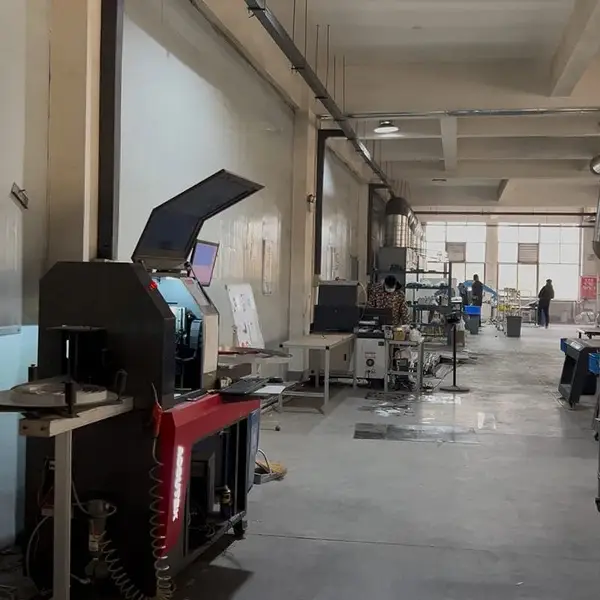
Real photo from our production floor — every sign we ship is made here.
Products mentioned or relevant to this topic — factory-direct, custom built.
From $24/letter · MOQ 1 piece · Flexible lead time · Project-specific compliance documents · ships to 20+ countries
Custom sizes, colors, and finishes. Get a factory price in 24 hours.
Get a Free Quote Copy EmailWhatsApp +86 13865703472 · business@aochuangsign.cn
See pricing, specs, and get a free quote for the sign type you need. Built in our factory, shipped worldwide.