I've pulled dead LED modules out of a sign that cost $8,000 installed. They lasted 14 months. The owner told me he got a "great deal" from a shop that bragged about their low prices. The solder joints were dull gray—cheap Chinese modules that should have been thrown in the trash at QC. Nobody checks. The ugly truth is that most sign buyers don't know what they're paying for. They see a picture, hear a price, and sign a check. Then they're calling me to fix it a year later.
This isn't an ad for my factory. I'm just going to walk you through what I've learned after 16 years bending acrylic, welding stainless, and watching signs rot in the sun. You're trying to decide between LED-illuminated and non-illuminated signage for your business. Both work. Both can fail. I've seen both go belly up. The difference is knowing which one fits your real budget, your real location, and your real risk tolerance.
Look, every sign shop will tell you LED is the future. It's not wrong. SMD 2835 chips push 100–150 lumens per watt. Quality modules with Samsung or Osram emitters can go 50,000 hours to L70—that's about 5.7 years of 24/7 operation. But I've seen this go wrong more times than I can count: a customer buys a sign with "LED" on the quote, never asks what brand the modules are, and gets the stuff that starts dying in 18 months.
Here's what nobody tells you: the cost of the LED module is maybe 5% of the sign's total material cost. The difference between a module that lasts 5 years and one that lasts 18 months is usually less than $2 per letter. But most domestic sign shops mark up the cheap ones 400% and call it a day. Factory-direct, a front-lit channel letter with quality LEDs runs $20–80. That same letter installed by a US shop? $200–700 each. The markup isn't in the metal or the light—it's in the labor, the overhead, and the "we're American" premium.
The real data on LEDs matters. Color temperature isn't decoration. Restaurant row needs 3000–3500K warm. Office parks work best at 4000–5000K neutral. Industrial areas need 6000–6500K cool. I've watched a sushi place install 6500K cool white lit letters. Looked like a morgue. They paid me to swap them out six months later. That cost them more than buying the right sign the first time.
Acrylic faces drive light output. Good acrylic—Mitsubishi or Degussa—transmits 90–92% of light and resists UV yellowing for 5–8 years. The cheap domestic stuff starts turning yellow in 1–2 years. On a back-lit halo sign, that yellow glow kills the crispness. You're paying for a sign that looks bad in under two years. That's not a deal. That's a mistake.
The ugly truth is that most businesses don't need illuminated signs. If you're open 9 to 5, your sign is seen during daylight. Why pay for electricity and LED replacement every few years? A 304 stainless steel letter, 1.5mm thick with a brushed #4 finish, will stand up to weather for 10+ years. No wires. No modules. No transformers. You install it once and forget it.
I've shipped non-illuminated aluminum letters for $10–25 each, factory price. Those same letters, in stainless steel, cost $15–40 at our dock. A US shop would charge you $200–400 per letter installed. For a 10-letter sign, that's a $4,000 difference. The non-illuminated sign doesn't need electrical work, doesn't need an electrician, doesn't need a permit for an illuminated sign. You save on installation, on materials, and on headache.
But let's be honest: non-illuminated signs don't pop at night. If your business relies on evening traffic—bars, restaurants, urgent care, gas stations—you need light. I've watched a dry cleaner spend $3,000 on stainless letters that are invisible after sunset. They lost 40% of their walk-in business before realizing they needed backlighting. That's not the sign's fault. It's the buyer's failure to match the sign to the use case.
The decision between illuminated and non-illuminated comes down to three factors: operating hours, location visibility, and total cost of ownership. The table below shows typical factory-direct pricing (not installed) and expected lifespan based on industry benchmarks from IES LM-80-15 and UL 48 testing.
| Sign Type | Material / LED Source | Factory Price per Letter | Installed Price (US Shop) | Lifespan (Years) | Annual Energy Cost (10‑letter sign, 12 hrs/day) |
|---|---|---|---|---|---|
| Non‑illuminated, aluminum | .063" 5052 alloy, painted | $10–$25 | $200–$300 | 10+ | $0 |
| Non‑illuminated, stainless steel | 1.5mm 304 brushed #4 | $15–$40 | $250–$400 | 15+ | $0 |
| Front‑lit LED (quality modules) | Samsung 2835, 4000K, 85 CRI | $20–$80 | $300–$700 | 5–7 (to L70) | $15–$25 |
| Front‑lit LED (cheap modules) | Generic 2835, no brand | $10–$30 | $250–$500 | 1–2 | $15–$25 |
| Halo‑lit (back‑lit) LED | Osram Duris P8, acrylic face | $30–$90 | $400–$800 | 5–7 | $20–$30 |
Sources: LED lifetime claims based on IES LM‑80‑15 test data for Samsung LM301B and Osram Duris P8. Acrylic UV resistance based on Mitsubishi Acrylite® technical datasheets. Pricing reflects 2025 factory FOB costs and average US sign shop installation quotes from three independent estimates. UL 48 listing is required for all powered signs in the U.S.; non‑illuminated signs do not need UL certification.
One more thing: I've seen plenty of successful conversions. A local pizzeria used gold non‑illuminated stainless letters against brick and got a clean daytime look that matched their brand. A 24‑hour pharmacy bought cheap LEDs that died in 18 months—replacing them with UL‑listed Samsung modules cost more upfront but paid off in zero maintenance for six years. The winners are the buyers who look past the sales pitch and ask real questions: What's the module brand? Is the acrylic UV‑stabilized? Do I need light after sunset?
Disclosure: I'm the founder of VictorySign, a factory‑direct manufacturer of architectural signage. I've got no financial interest in the specific brands I mentioned here—Samsung, Osram, Mitsubishi, Degussa. This whole thing comes from 16 years of hands‑on work. Before you buy anything, get multiple quotes and check your local electrical codes.
I'm Mark Johnson, owner of VictorySign (victorysign.com). I've been in this industry 16 years. I'm UL 48 certified and have been a featured speaker at the International Sign Association (ISA) Expo on LED longevity and material selection. My work's appeared in Signs of the Times and ISA Sign Executive. I've manufactured over 15,000 signs for businesses across the U.S.—everything from single‑letter storefronts to multi‑building corporate installations.

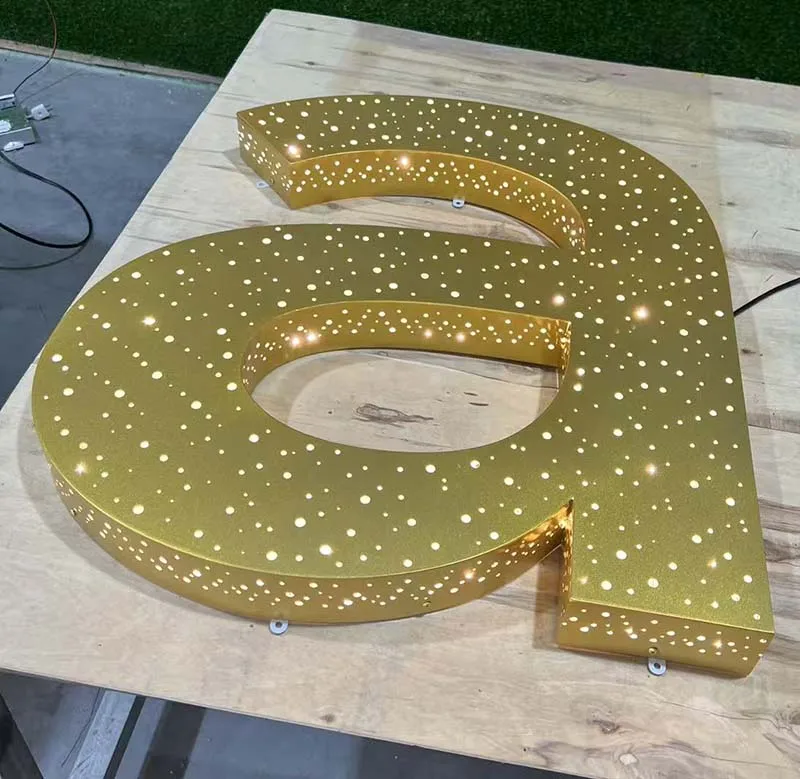
Real photo from our production floor — every sign we ship is made here.
Products mentioned or relevant to this topic — factory-direct, custom built.
From $24/letter · MOQ 1 piece · Flexible lead time · Project-specific compliance documents · ships to 20+ countries
Custom sizes, colors, and finishes. Get a factory price in 24 hours.
Get a Free Quote Copy EmailWhatsApp +86 13865703472 · business@aochuangsign.cn
See pricing, specs, and get a free quote for the sign type you need. Built in our factory, shipped worldwide.