For 16 years, I've watched sign buyers throw money at avoidable mistakes—overpaying for domestic fabrication, accepting subpar materials, or getting blindsided by import fees. Most online advice comes from people who've never stood on a production floor at 3 a.m. or haggled with a supplier over dead LEDs. I have. Here's the real deal—neutral, experience‑based, and designed to save you real cash and real headaches.
The ugly truth: many small‑to‑mid-size sign buyers overpay by 40–60% because they're terrified of importing. That fear costs you cold, hard cash. A typical front‑lit channel letter from a domestic fabricator might run $800. A comparable letter from a reputable Chinese factory—same 304 stainless steel, Samsung LEDs, and 2mm UV‑resistant acrylic—can be sourced for around $120. Factory‑direct savings of 50–65% on product are real. But that's only half the story.
The risks you need to weigh: Importing adds lead times (usually 4–6 weeks plus shipping), potential tariff costs (Section 301 tariffs on Chinese signs are currently about 30% – check the U.S. Harmonized Tariff Schedule for the latest rate), and sometimes murky warranty enforcement. You also face communication barriers, time‑zone delays, and the need for a trusted freight forwarder. On the flip side, domestic suppliers offer faster turnaround, easier spec‑checking, and clearer liability — often at a higher price.
How to decide: If your project's timeline is tight or your specs are complex (e.g., UL listing required), domestic is usually safer. If you have 8–10 weeks lead time and can manage a sample inspection, import savings can be worthwhile — but only if you vet the factory thoroughly. Look for current CE, RoHS, and ISO 9001 certifications (ask to see a certificate dated within the last 12 months). Independent resources like the International Sign Association (ISA) offer guidance on evaluating overseas suppliers.
Material grades are where factories — domestic or import — make their real profit on unwary buyers.
Acrylic: Mitsubishi or Degussa UV‑resistant acrylic holds up 5–8 years outdoors with no yellowing. Domestic grades may look fine initially but often degrade in 2 years. The price difference is only 20–30%. Always specify brand and grade in your purchase order. One buyer I worked with skipped the specification; within 18 months the signs looked like nicotine‑stained curtains. A quick test: hold a sample against a white sheet under direct sunlight — the better acrylic will remain crystal clear.
Stainless steel: 304 (18% chromium, 8% nickel) is good for 10+ years in most environments. 316 adds molybdenum for marine or corrosive settings — 15+ years but costs 20–30% more. For a strip mall in Ohio, 304 is fine. For Miami Beach, pay for 316 or be ready to replace letters in 3 years when salt air eats through the welds. That's physics, not guesswork. Ask for mill certificates or use a portable XRF tester (available from rental services) to verify chromium and nickel content.
LED modules: The quickest quality check takes ten seconds. Look at the solder joints. Dull gray indicates poor lead‑free solder that may fail in under 18 months. Shiny silver is usually a sign of proper reflow soldering. Also ask for LM‑80 test reports (a standard for LED lumen maintenance) — reputable manufacturers provide these for Samsung, Epistar, or Cree chips.
Certification red flags: CE marking costs $2,800–$7,000 to obtain. Many factories claim they have it but can't produce a current, dated certificate. If they hesitate, walk. For UL listing (often required by U.S. codes), be prepared for costs of $4,000–$15,000 and a timeline of 4–9 months. Independent verification via a third‑party inspection agency (like SGS or TÜV) adds about $500–$1,500 per shipment — a small price for peace of mind.
I've seen too many buyers get a great price on signs, then get hit with a 30% tariff at the dock — blowing their budget. Here's a realistic cost breakdown for importing custom signs:
The single biggest cause of sign failures I've seen — regardless of source — is vague specifications. A handshake or a one‑page quote leaves room for cost‑cutting substitutions that ruin your investment.
What to put in writing, down to the decimal — Don't leave anything to chance. Specify the exact acrylic brand (e.g., Plexiglas® MC from Arkema), the stainless steel grade (304 or 316), the LED chip manufacturer (Samsung, Cree, or Epistar), and the solder type (lead‑free, shiny finish). List the number of revision rounds included, the sample inspection process, and the warranty terms in plain English.
And here's the blunt truth: if a supplier pushes back on putting specs in writing, they're planning to cut corners. Walk away. I've seen a $50,000 sign order go to hell because the buyer didn't specify "no visible seams" and got back letters that looked like they were glued together in a garage. Write it all down. Get it signed. Then sleep better.
One more thing: Talk to a real sign guy before you sign anything. Not a salesman. A guy who's been on a ladder at 2 a.m. fixing a loose LED module. That advice alone will save you more than any article can.

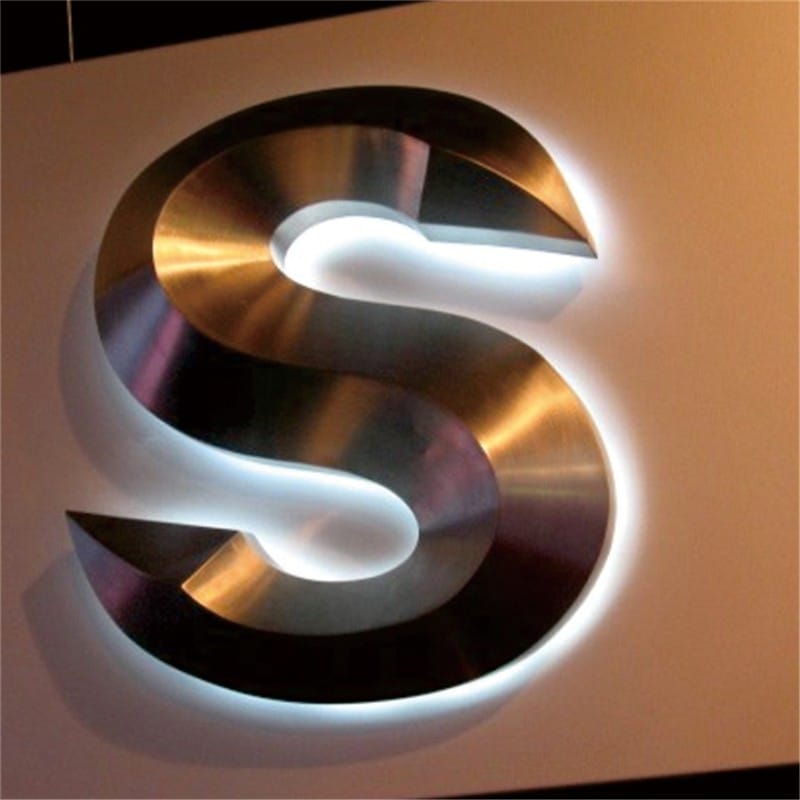
Real photo from our production floor — every sign we ship is made here.
Products mentioned or relevant to this topic — factory-direct, custom built.
From $24/letter · MOQ 1 piece · Flexible lead time · Project-specific compliance documents · ships to 20+ countries
Custom sizes, colors, and finishes. Get a factory price in 24 hours.
Get a Free Quote Copy EmailWhatsApp +86 13865703472 · business@aochuangsign.cn
See pricing, specs, and get a free quote for the sign type you need. Built in our factory, shipped worldwide.